


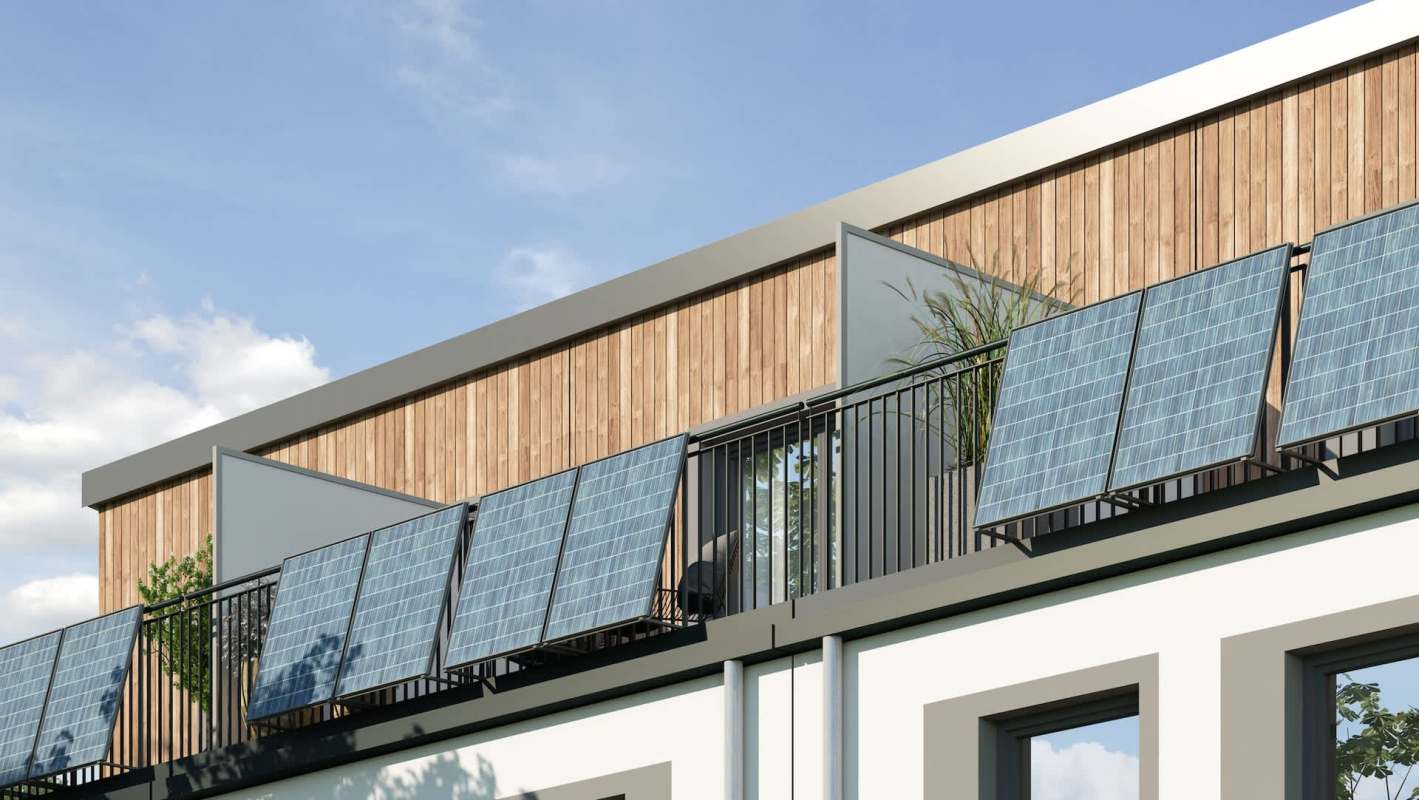
A bill in New York could let residents get some of the benefits of solar by plugging a solar panel into a standard wall outlet, though the savings may not match the simplicity.
Here's what to know
The SUNNY Act passed both chambers of the New York Legislature in May, and advocates are urging Gov. Kathy Hochul to sign it, News12 Hudson Valley reported after a rally outside Kingston City Hall. If enacted, the measure would legalize plug-in solar panels, also known as balcony solar panels.
SOLAR IN A SOCKET? ☀️ Advocates rallied in Kingston today, urging Gov. Hochul to sign a bill allowing plug-in solar panels to help cut electric bills. But how much could they really save — & what about safety concerns? The costs, controversy & push for change on @News12HV. https://t.co/ZqqpPAiGWk
— Blaise Gomez (@BlaiseGomez12) October 22, 2026
These systems are smaller than standard rooftop solar installations, and they rely on an inverter to turn sunlight into usable electricity. Supporters say this technology could give both homeowners and renters a lower-cost way to ease the pressure of rising utility bills.
"We should be giving every resident of the state of New York the option to reduce their bills," said Ulster County Executive Jen Metzger.
A panel rated at roughly 390 watts may generate about one to two kilowatt-hours on a sunny day. Based on federal energy data, that's about 5% to 10% of a typical New York household's daily electricity use.
More background
Advocates said plug-in solar systems can cost from a few hundred dollars to several thousand, depending on size and features.
However, for households with a suitable roof, getting a full solar setup is one of the best ways to save money on home energy. Solar leases can also deliver hundreds of dollars in monthly savings without any upfront costs. Readers can use EasyHome's free explorer tool to see their potential savings from vetted installers in their area.
Kingston Mayor Steve Noble said the appeal of plug-in solar opens a door that would otherwise be shut for many in the city.
Crushed by your bills? See instant solar savings from vetted installers in just a few clicks With energy prices through the roof, there's never been a better time to go solar — and EasyHome can help you find the best prices from the best installers in your area. EasyHome takes the guesswork and headaches out of energy upgrades by showing you estimated savings from a network of vetted local partners. To get started, just enter your ZIP and share a few details about your home — seeing your estimate is really that easy. |

"We have so many Kingstonians who do not have access to their own rooftops and may not be able to qualify for some of our solarized programs," Noble said, pointing to the role the systems could play for apartment dwellers and others in buildings that cannot support rooftop solar.
Woodstock homeowner Bennet Ratcliff brought his own setup to the demonstration and showed how the panel connects through an inverter before going into a wall outlet.
Because he is still disputing earlier usage with his electric company, Ratcliff said he cannot yet say exactly how much electricity the system is producing or how much money it is saving him. He noted that while the systems may help reduce a bill, the payoff depends on actual output, local electricity rates, and the upfront cost of the equipment.
What can be done?
With the bill already through the Legislature, supporters in Kingston are focused on persuading Hochul to sign the SUNNY Act. They argued that legalizing plug-in solar would open a lower-cost option for people who cannot install full rooftop systems.
Whether the savings are worth it depends on comparing the one-to-two-kilowatt-hour output of a roughly 390-watt panel in sunny conditions with a household's daily power use and the upfront cost of the equipment.
EasyHome's free explorer tool can simplify solar comparisons, especially for readers weighing a small plug-in setup against a larger rooftop system. EasyHome can also help readers explore backup battery options, and pairing solar with a battery lets homeowners maximize savings and keep the lights on when the grid goes down.
If the law changes, plug-in panels could help residents without a workable roof, as Noble suggested. But for households looking for dramatic cuts to their electric bills, the figures shared at the Kingston rally indicate the benefits would likely be limited, and a full rooftop setup may be a better option.
As Ratcliff put it at the demonstration, "This isn't going to take care of all your energy, but it will take care of some of it."
Where can I learn more?
For more on how plug-in and DIY solar rules are playing out, these stories cover utility approval fights, permitting rules, legalization efforts in other states, and the hardware making balcony systems possible.
• In New York City, officials pushed for plug-in solar without utility approval as Hochul weighs the SUNNY Act.
• A New York homeowner learned local permits decide the rules when DIY solar legality looked uncertain.
• Another New York resident found permits come before the inverter when planning a backyard solar setup.
• In California, regulators tested balcony solar in a legal gray area for renters facing steep bills.
• As eight states moved to legalize balcony systems, the first U.S.-certified plug-in inverter reached the market.

Get TCD's free newsletters for easy tips, smart advice, and a chance to earn $5,000 toward home upgrades. To see more stories like this one, change your Google preferences here.






