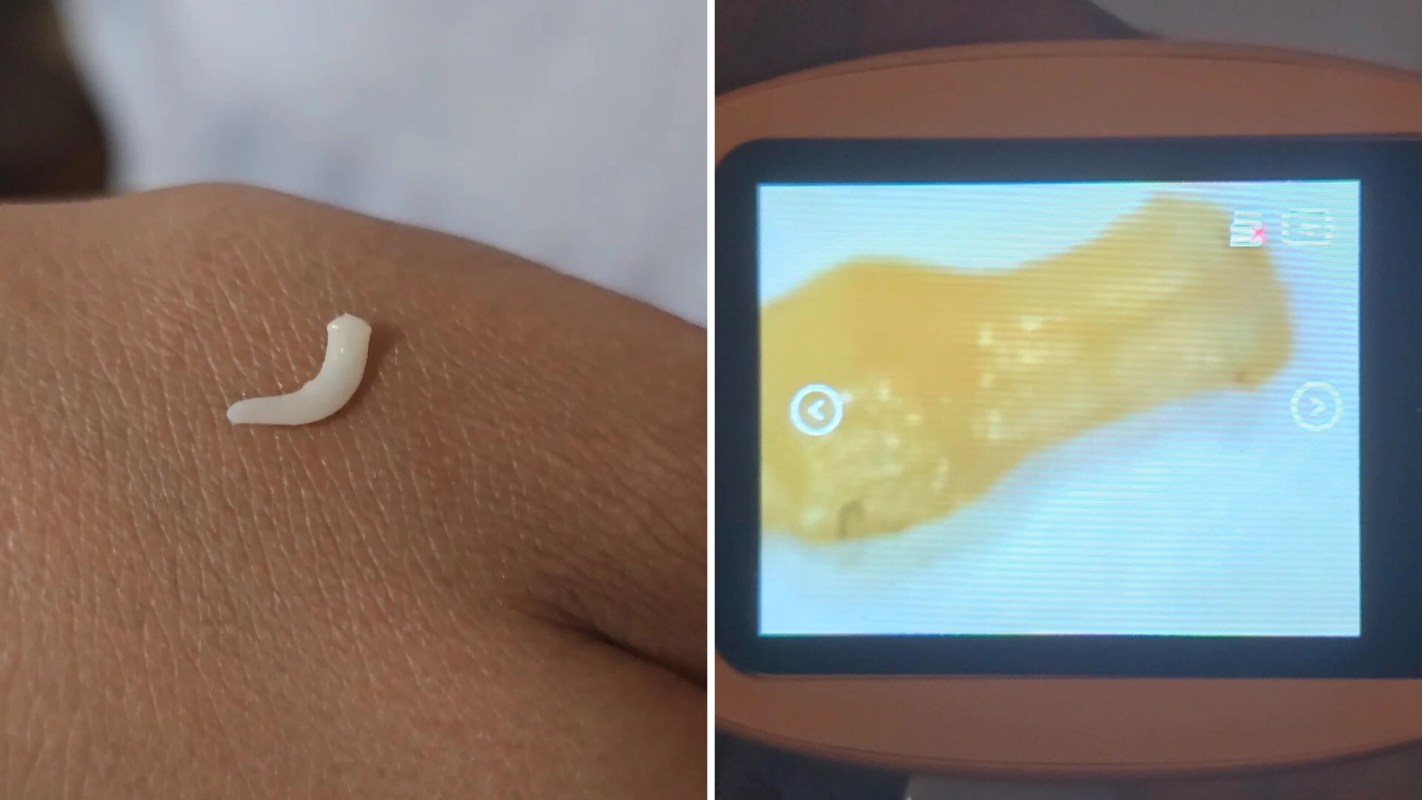
A parent in Rochester, New York, got an unexpected lesson in pet parasites after noticing a small white worm moving across their son's hand inside the house.
As Reddit users weighed in, the mystery shifted from an unknown indoor larva to a far more familiar source: the family's newly adopted shelter cat.
What happened?
After the parent posted on r/whatsthisbug asking for help with "Smooth white worm/larva found crawling indoors, any thoughts?" commenters quickly said it was a tapeworm segment, or proglottid.
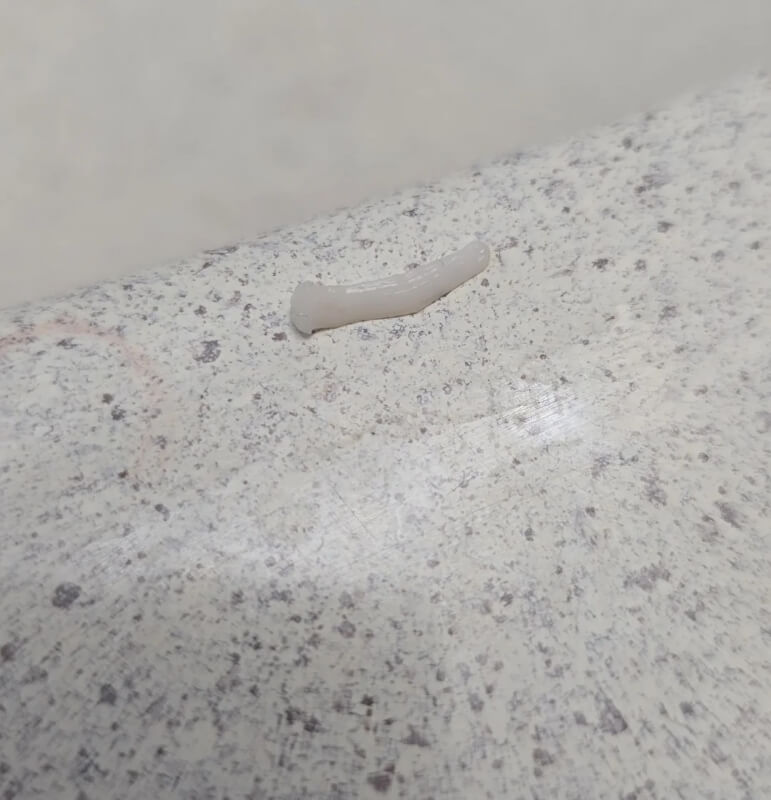
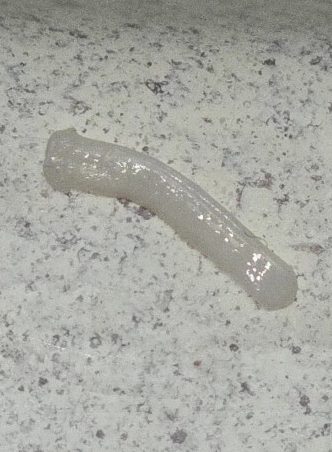
From there, users connected the find to the cat that had recently joined the household. They explained that infected cats can shed these moving segments, which later dry out into pieces that many owners mistake for grains of rice.
Commenters also walked through how the parasite keeps circulating, with fleas at the center of the problem. Eggs from the segments can be eaten by flea larvae, and cats can reinfect themselves by swallowing fleas while grooming. In other words, spotting the worm also points to a flea problem.
At the same time, several people tried to reassure the parent, saying this common feline tapeworm does not usually infect humans through casual contact alone.
TCD Picks » Quince Spotlight
💡These best-sellers from Quince deliver affordable, sustainable luxury for all




Why does it matter?
Because the segments are visible, they can alert owners not only to a tapeworm infection but also to shortcomings in flea control. Commenters warned that treating the worm alone may not end the problem if fleas are still in the home.
That is especially relevant for newly adopted pets, particularly those from shelters, which may need follow-up care after arriving. Catching the issue early can spare the animal ongoing discomfort and help owners avoid repeat infestations.
In this case, the crowdsourced identification gave the family a clear next step: get treatment promptly.
What can I do?
The main advice in the thread was simple: contact a veterinarian about deworming. Multiple commenters recommended praziquantel as the standard treatment for feline tapeworms, while stressing that flea treatment must be administered at the same time.
That means treating the pet and cleaning the environment. Several users described dealing with recurring worms until they became much more aggressive about controlling fleas.
So if you spot bits that look like rice, they may be more than random debris. They may be a sign that the parasite cycle is still active.

Get TCD's free newsletters for easy tips, smart advice, and a chance to earn $5,000 toward home upgrades. To see more stories like this one, change your Google preferences here.