


For many drivers in apartments or dense urban neighborhoods, the biggest barrier to owning an electric vehicle isn't the vehicle itself — it's finding a convenient place to charge it.
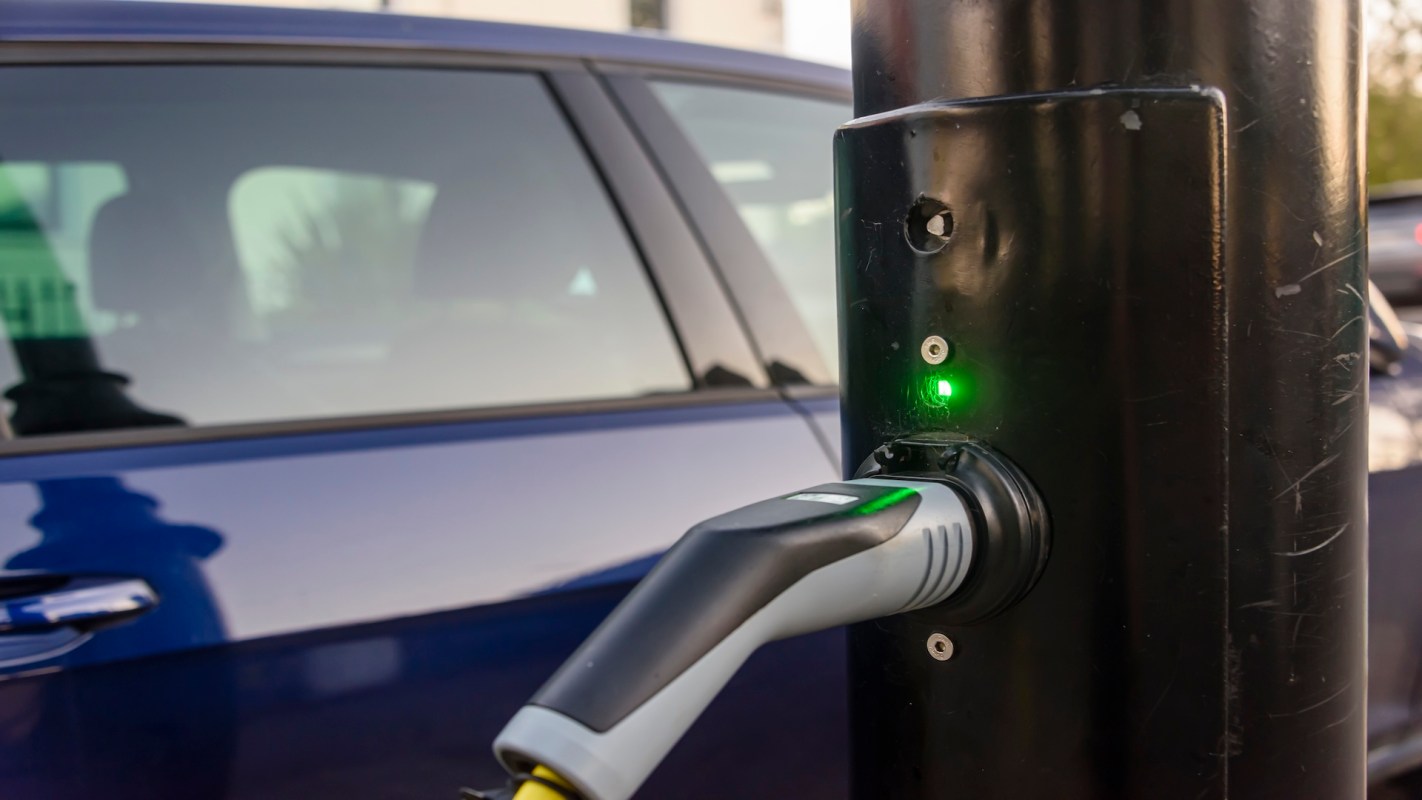
New York is testing a practical solution: EV chargers mounted directly onto existing lampposts, bringing curbside charging closer to where people already park, according to InsideEVs.
Here's what to know
Voltpost's New York expansion adds seven dual-port chargers across Albany, Saratoga Springs, and Cold Spring.
Altogether, that's 14 new charging ports: three chargers each in Albany and Saratoga Springs, and one in Cold Spring.
The new sites build on Voltpost deployments in Westchester County, Brooklyn, and Glen Falls. The Westchester location is in Larchmont, with future sites planned for Yonkers and Rye. During Climate Week, the company is also providing free charging at its MADE Bush Terminal dispenser in Brooklyn.
Curbside charging remains one of the most challenging gaps in the EV transition.
TCD Picks » Quince Spotlight
💡These best-sellers from Quince deliver affordable, sustainable luxury for all




Drivers with private garages or driveways can typically plug in overnight, but renters and apartment dwellers do not always have that option.
By adding chargers to existing street infrastructure, Voltpost aims to reach the people most likely to need public charging close to home.
More background
These chargers avoid much of the construction normally needed for a standalone station because they pull electricity from the pole they're attached to, rather than requiring trenching, sidewalk cuts, or new concrete.
That easier installation comes with less power: the units max out at 9.6 kilowatts, so they charge more slowly than higher-powered public fast chargers.
In places where cars commonly remain parked for hours, including shopping destinations and office areas, a slower pace can still be practical.
To use them, drivers rely on the Voltpost app to locate ports, track sessions, and pay. The hardware includes retractable J1772 cables and is mounted about 10 feet off the ground to help protect it from weather and vandalism.
For people considering switching to an electric vehicle, better curbside charging could make the upgrade much more realistic.
EVs save drivers money on fuel and reduce routine maintenance, since they don't need oil changes and generally have fewer moving parts to service.
What's being done?
Using existing poles could help communities add more charging in places where space is limited, and installation costs are a major obstacle.
That kind of buildout could be especially useful in neighborhoods where residents rely on street parking. A charger does not need to be ultra-fast to be useful if a car is already parked for hours during work, errands, or overnight.
For drivers who can charge where they live, home setups offer another major advantage.
Charging an EV at home often costs half as much as using public chargers, but basic Level 1 charging is slow. Qmerit provides free, instant installation estimates for faster Level 2 home charger installations.
Jeffrey Prosserman, CEO and co-founder of Voltpost, summed up the broader goal.
"Decarbonizing mobility starts with making EV charging as convenient as filling up a gas tank," he explained.
"Every deployment, including these in Albany, Saratoga Springs, and Cold Spring, is about putting reliable charging where drivers already live and park, so more New Yorkers can confidently make the switch to electric."
Where can I learn more?
Cities and companies are trying different ways to make EV charging work better for drivers who rely on street parking. These stories look at lamppost chargers, urban charging experiments, apartment access, home charging habits, and neighborhood infrastructure fights.
• Voltpost is bringing lamppost EV charging stations to major U.S. cities for drivers without driveways.
• In Boston, officials chose an experimental method of installing chargers across dense city neighborhoods.
• Across U.S. garages and driveways, charging where you park is becoming a more important consideration than EV range.

Get TCD's free newsletters for easy tips, smart advice, and a chance to earn $5,000 toward home upgrades. To see more stories like this one, change your Google preferences here.






