


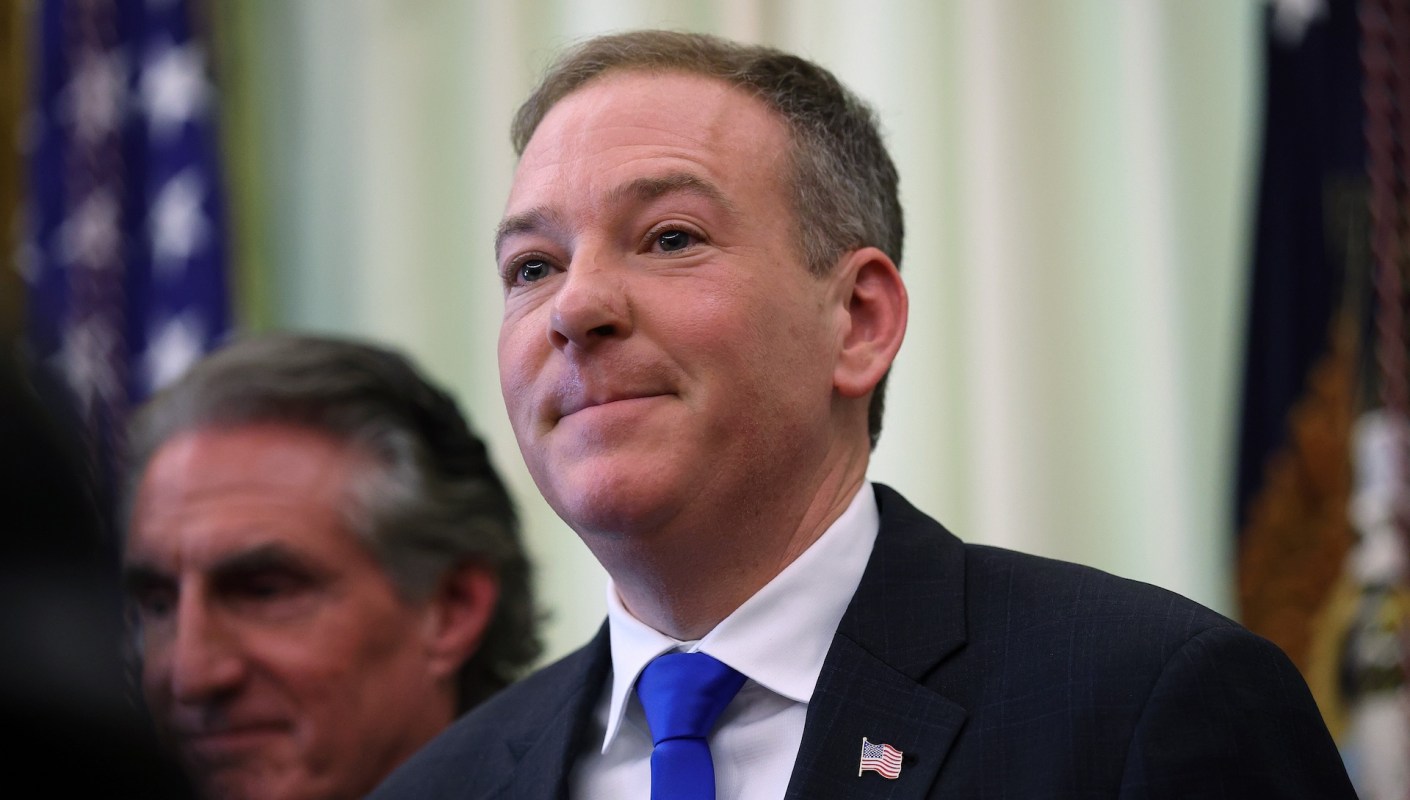
New York's statewide pause on new data centers is drawing criticism from the head of the Environmental Protection Agency, adding fresh tension to the growing debate over how communities should respond to the AI boom.
Speaking in Tennessee, EPA Administrator Lee Zeldin argued that blanket bans can sidestep the harder work of setting rules for projects that may also strain local power grids and water systems.
What happened?
At a Tennessee infrastructure summit on Tuesday, EPA Administrator Lee Zeldin criticized New York's new statewide halt on data centers, calling it "an easy way to cop out," according to Tennessee Lookout.
Rather than block every proposal outright, Zeldin said local governments should weigh each project individually.
He said officials should focus on three main issues: whether a development would raise or lower utility bills, whether it would contribute power to the grid or primarily consume it, and how water use would be managed.
The remarks landed amid ongoing fights in Tennessee over where data centers should be located and whether they should expand.
TCD Picks » Quince Spotlight
💡These best-sellers from Quince deliver affordable, sustainable luxury for all




Metro Nashville Council members are weighing either new restrictions or a temporary halt on projects, and McMinnville and Coffee County have already adopted moratoria. Much of the local resistance has centered on electricity demand, water use, and the risk of air and noise pollution.
Zeldin also said his agency is trying to reduce its regulatory reach to "nothing less, but nothing more" than what federal law requires.
Why does it matter?
Data centers are central to the AI economy, but they are also deeply tied to the energy system.
AI tools can help improve grid management, forecast electricity demand, and support cleaner energy systems, yet the facilities powering those tools can consume enormous amounts of electricity and water.
In some places, that can put additional strain on local infrastructure, drive up household costs, and raise difficult questions about pollution, land use, and grid reliability.
Federal regulators are not planning to create a nationwide environmental rulebook for these facilities. The EPA said in June that states and local communities would largely handle data-center standards themselves.
Meanwhile, the agency is weighing changes that could narrow the chances for public comment on certain emissions sources and allow certain projects to move forward before some air permits are fully finalized. The EPA and the U.S. Department of Justice recently moved to stop an environmental lawsuit from the NAACP against xAI over gas-powered turbines connected to a data center project in the Memphis area.
What's being done?
State and local governments are starting to build their own approaches.
In Tennessee, lawmakers passed a law requiring operators of data centers needing at least 50 megawatts of power to cover the grid infrastructure upgrades needed to serve them.
Officials at the local level are also turning to zoning, siting standards, and temporary pauses while they work out stricter rules.
In Nashville, those discussions have included proposals to restrict data center construction in certain areas, particularly near community spaces such as the zoo.
Public hearings, county commission meetings, and utility proceedings can shape where projects are placed and what protections come with them. Questions have included whether proposed facilities will rely on cleaner energy, closed-loop water systems, and backup power sources that limit air pollution.
As Zeldin put it, "Is the project going to make my bills go up or down? Is the project going to be a net provider onto the grid, or a net taker? And what are they going to do with water?"
He also noted that "Americans mostly want to make America the (Artificial Intelligence) capital of the world."

Get TCD's free newsletters for easy tips, smart advice, and a chance to earn $5,000 toward home upgrades. To see more stories like this one, change your Google preferences here.






