


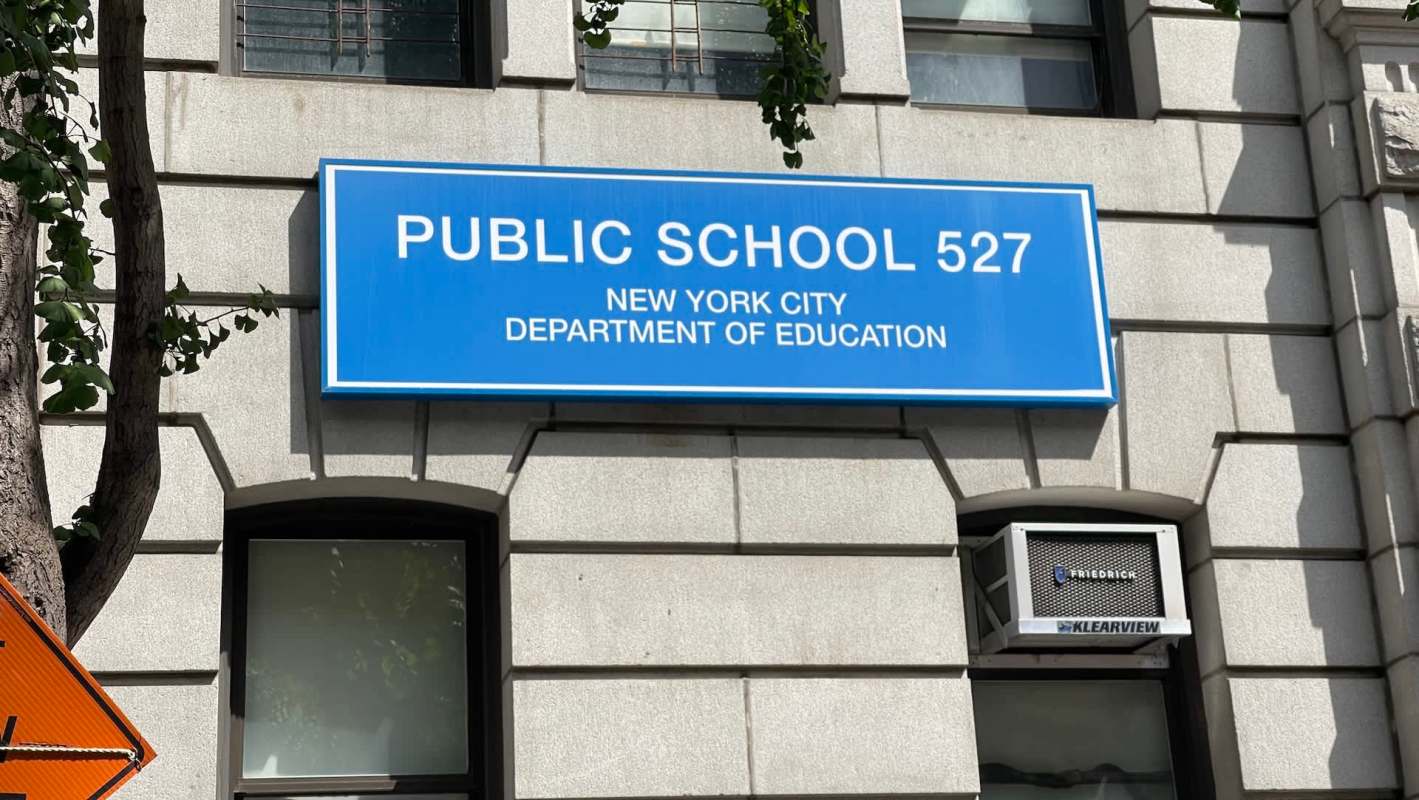
As the 2026-27 academic year begins, New York City Public Schools is taking one of the toughest stances yet on classroom artificial intelligence: Students through middle school will not be allowed to use it.
The move will affect more than half a million students and could become a test case for how schools balance new technology with child development and learning.
Here's what to know
According to ABC News, the district is removing student-facing AI software and banning companion chatbots as part of what it calls the nation's broadest AI moratorium. The restrictions apply to students in 2-K (a program for 2-year-olds) through eighth grade in the largest public school system in the country.
Calling for more time to assess the issue, New York City Mayor Zohran Mamdani said in a statement that the city was "studying the impacts of this technology."
He argued: "The tech industry wants us to believe that AI-powered early education is not only inevitable but necessary. We do not see it that way."
High school students are not covered by the moratorium, but the district said they will take AI literacy classes twice a year so they can "think critically" about the technology before they rely on it.
TCD Picks » Quince Spotlight
💡These best-sellers from Quince deliver affordable, sustainable luxury for all




More background
The decision comes amid a national debate over whether AI tools help students learn more effectively or simply make it easier to outsource writing, problem-solving, and critical thinking.
According to New York City Public Schools Chancellor Kamar Samuels, the policy is meant to protect the skills students need most.
"We're standing firmly in our decision to not conflate innovation with more tech, and we're going to lead over the next year with evidence and make sure technology serves learning — not the other way around," Samuels wrote in a statement.
Washington has taken a different approach, with the White House encouraging teachers to use AI responsibly and saying the technology could "revolutionize" education. Teachers interviewed by ABC News said they use it for lesson planning, organizing data, and giving feedback on assignments.
One of those teachers, Texan Lori Garrett, said in a text, "I use AI for nearly everything in the classroom right now."
She added that she lets students use AI during class to "help themselves learn."
The divide raises a broader question for schools across the country: how to embrace emerging technology without undermining the foundational thinking and interpersonal skills students need to develop.
What's being done?
City leaders are tying the AI moratorium to a wider effort to reduce students' dependence on screens and automated tools during the school day. The district said the goal is to help students and teachers build relationships, make connections, and spark creativity without leaning on generative AI.
The city had already adopted a bell-to-bell cellphone policy that limits students' use of devices during instructional hours. Together, the two policies point to a larger strategy: reducing digital distraction for young students while giving older ones structured guidance instead of unrestricted access.
Separately, the Department of Health and Human Services brought together childhood experts to discuss harms tied to excessive adolescent screen use.
"All technology must be safe for children moving forward," Dr. Stephanie Haridopolos, the Office of the Surgeon General's director of health communications, said, per ABC News.
As officials weigh the role AI should play in education, Haridopolos said: "There's certain aspects of technology that are educational, and then there are certain ones that actually can be harmful. We need to delineate between the two."
Where can I learn more?
New York City's AI moratorium is part of a bigger debate over what schools should do when new products spread faster than the research on how they affect kids. The articles here look at both concerns about AI in classrooms and other ways school leaders are stepping in when they think students' health or learning could be at risk.
• A study by the Brookings Institution shows that AI has already damaged schoolchildren.
• School officials and sheriffs are cracking down on other dangerous habits as campuses confront new risks.
Teachers and local officials are taking action to limit the possible harms of new tools and devices, and it makes sense to spend more time learning to function without AI and about how it works before allowing it to be more integrated into assignments.

Get TCD's free newsletters for easy tips, smart advice, and a chance to earn $5,000 toward home upgrades. To see more stories like this one, change your Google preferences here.






