


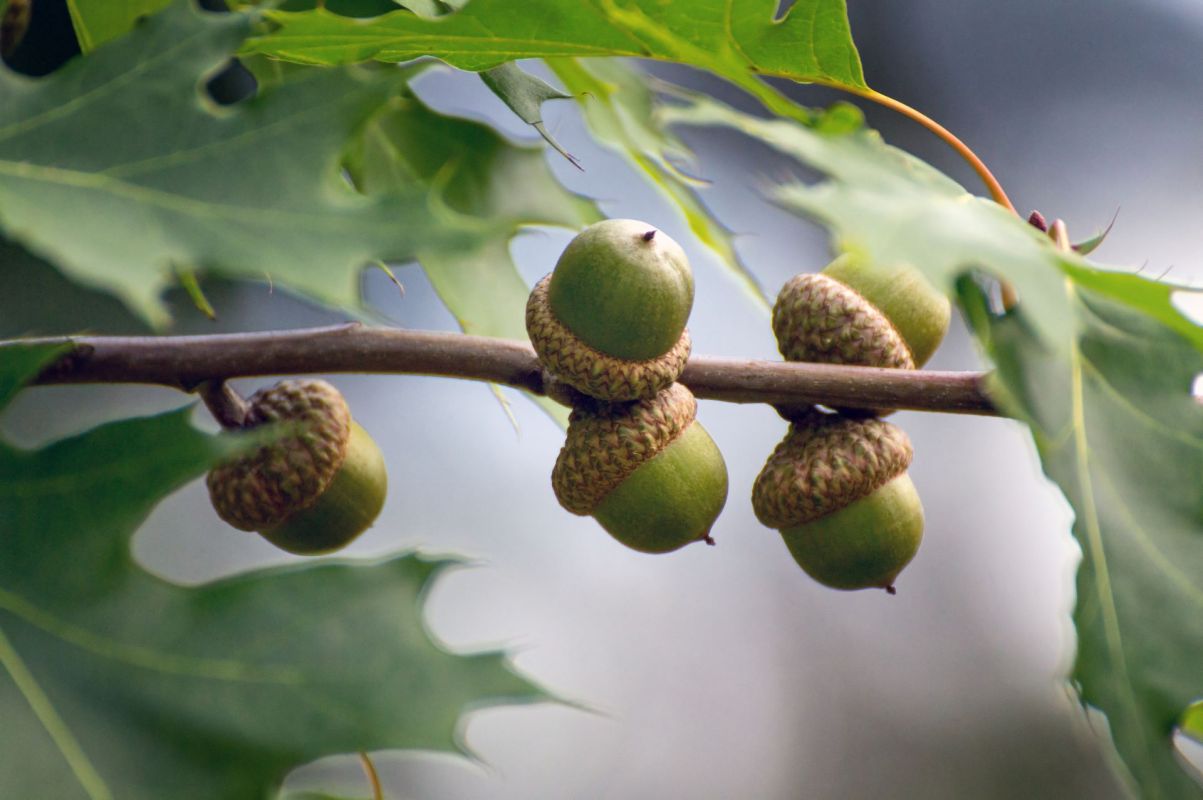
After decades of wildlife monitoring in a New York forest, scientists found acorn production can signal higher Lyme disease exposure risk almost two years in advance.
Here's what to know
ZME Science reported that observations from the Cary Institute of Ecosystem Studies in Dutchess County provided researchers with data dating back to 1991.
The best-supported statistical model linked high mouse numbers to roughly 40% more nymphal ticks the next year. The analysis appeared in the Proceedings of the National Academy of Sciences.
White-footed mice benefit from the abundant food available during oak "masting," when the trees produce vast quantities of acorns. The extra food supports winter survival and reproduction, leaving a larger mouse population by the following summer.
White-footed mice efficiently transmit Borrelia burgdorferi — the Lyme-causing bacterium — to larval blacklegged ticks feeding on them. Those larvae develop into nymphs after their meal and then emerge the next year and can bite people. These small, not-yet-adult ticks account for most Lyme disease cases.
More background
Based on insurance claims, the Centers for Disease Control and Prevention estimates that 476,000 people nationwide are diagnosed with and treated for Lyme disease each year.
TCD Picks » Quince Spotlight
💡These best-sellers from Quince deliver affordable, sustainable luxury for all




Symptoms include fever, fatigue, and a distinctive rash. Without prompt antibiotic treatment, the illness can sometimes involve the heart, nervous system, and joints.
Other tick hosts include squirrels, chipmunks, and birds, but many aren't able to transmit the bacterium as efficiently as white-footed mice, according to ZME Science.
At the monitored sites, about 15% to 30% of nymphs harbored the Lyme bacterium. That percentage remained relatively stable even as mouse numbers fluctuated. Researchers suspect that the distribution of tick blood meals among different animals helps explain this pattern.
What's being done?
After examining decades of interactions among acorns, host animals, and ticks, researchers backed the connection previously explored in work published in Science in 1998 and subsequent research from 2001.
An early-warning approach would combine acorn counts with data on mouse numbers, tick prevalence, and the surrounding ecosystem. Together, those measurements could help public health officials issue alerts and target prevention efforts before an expected surge in ticks.
Though deer abundance varied more than sixfold during the study, researchers detected no statistically meaningful link between deer numbers and nymphal tick abundance two years later at these sites.
Mouse numbers were a better predictor. By tracking acorn production, researchers could anticipate mouse abundance a year before the resulting increase in nymphs. That nearly two-year sequence could give public health officials earlier notice of seasons with elevated exposure risk.
Where can I learn more?
Lyme disease is one reason to keep an eye on tick activity and ways to prevent bites.
• On Long Island, residents described the worst tick year, though experts remained cautious.
• A three-foot backyard barrier may help keep ticks away from patios and people.
• Armadillos have established a tick-carrying presence across eight Western North Carolina counties.
• In Missouri, tick-borne bobcat fever is killing indoor cats.
• New York's West Nile cases exceeded 2025's total amid warmer, mosquito-friendly weather.

Get TCD's free newsletters for easy tips, smart advice, and a chance to earn $5,000 toward home upgrades. To see more stories like this one, change your Google preferences here.






