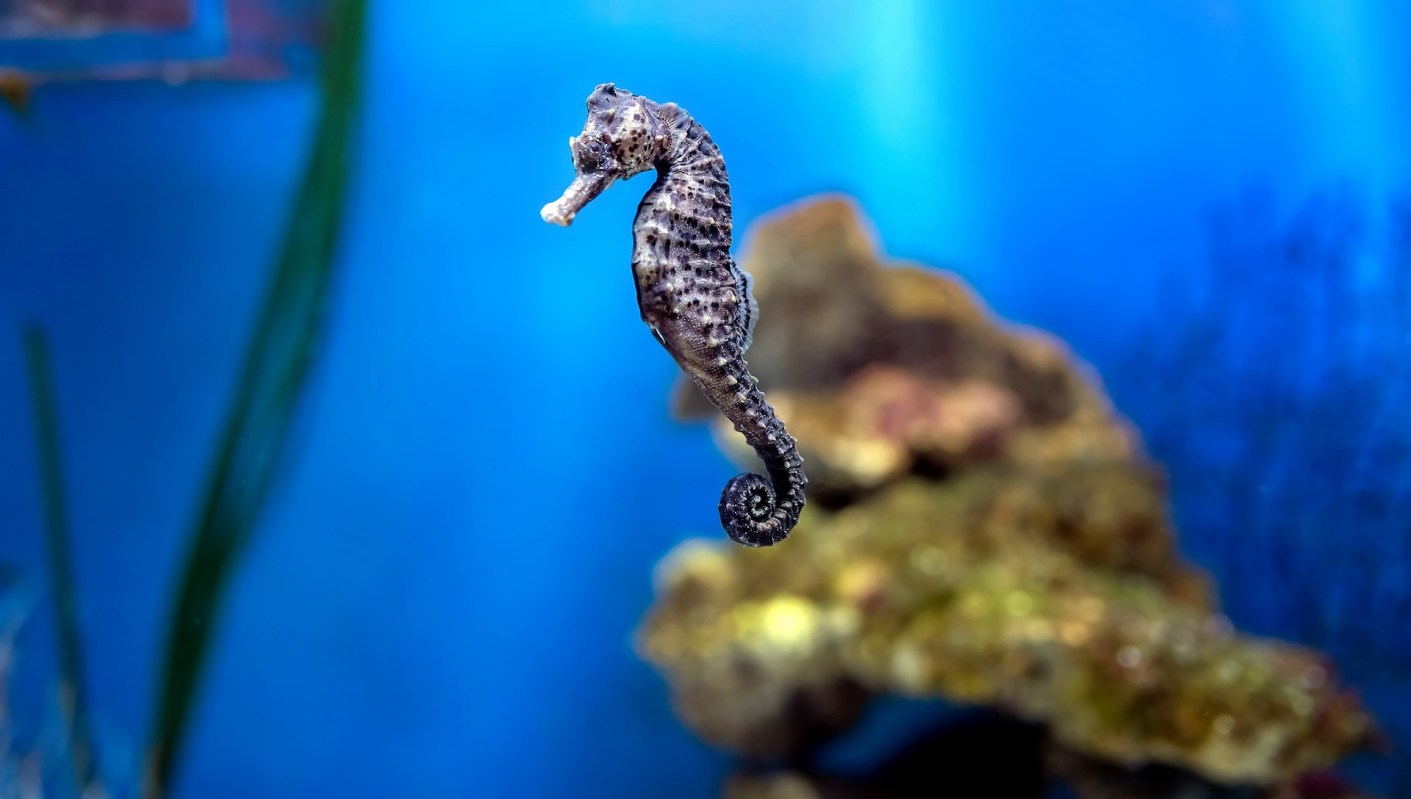
At Tuticorin harbor in southern India, researchers examining piles of discarded bycatch identified a seahorse that had gone unrecognized as its own species for more than a century.
Even what gets thrown away can hold important clues about how to better protect ocean life.
Here's what to know
At Tuticorin harbor, an international research team determined that Hippocampus amandavincentae had long been mistaken for another seahorse species, Oceanographic Magazine reported. The review revealed that what scientists had been treating as one species was actually three.
Hippocampus amandavincentae grows to about 6.3 inches (16 centimeters) and has a short snout, a five-spined crown on its head, and additional spines along its body and tail. Researchers believe it likely occurs across the Indian Ocean, from Mozambique and the Red Sea to India.
Published in Zootaxa, the study named the species for Dr. Amanda Vincent — the University of British Columbia marine biologist who directs and co-founded Project Seahorse — in recognition of her conservation work.
Co-author Graham Short, focal point for taxonomy and evolution in the global expert group for conservation of seahorses and their relatives, said, "We've named this seahorse, Hippocampus amandavincentae, for Amanda Vincent, whose work established seahorse conservation as a field," per Oceanographic Magazine.
TCD Picks » Quince Spotlight
💡These best-sellers from Quince deliver affordable, sustainable luxury for all




More background
The seahorse was not found during a pristine reef survey or a remote expedition. It was identified in bycatch — marine animals unintentionally caught during fishing operations and often thrown away.
The researchers used several lines of evidence, including snout and spine comparisons, DNA analysis, and a fresh look at museum specimens. That work split the long-confused group into Hippocampus amandavincentae, Hippocampus histrix, and Hippocampus jayakari.
What's being done?
One major step already taken is the scientific recognition itself. By formally describing Hippocampus amandavincentae, researchers have created a basis for future monitoring, conservation planning, and more accurate assessments of where the species lives and how vulnerable it may be.
Linking the discovery to the effects of bottom trawling, Vincent said the find gave her "yet another special reason to push hard at ending bottom trawl fishing," Oceanographic Magazine reported.
Vincent helped pioneer underwater seahorse research, documented the animals' extensive trade, and launched a conservation project that helped put seahorses on the global agenda.
Vincent said, "This honor makes my heart glow. It's amazing that such a wonderful creature was hiding in plain sight."

Get TCD's free newsletters for easy tips, smart advice, and a chance to earn $5,000 toward home upgrades. To see more stories like this one, change your Google preferences here.