


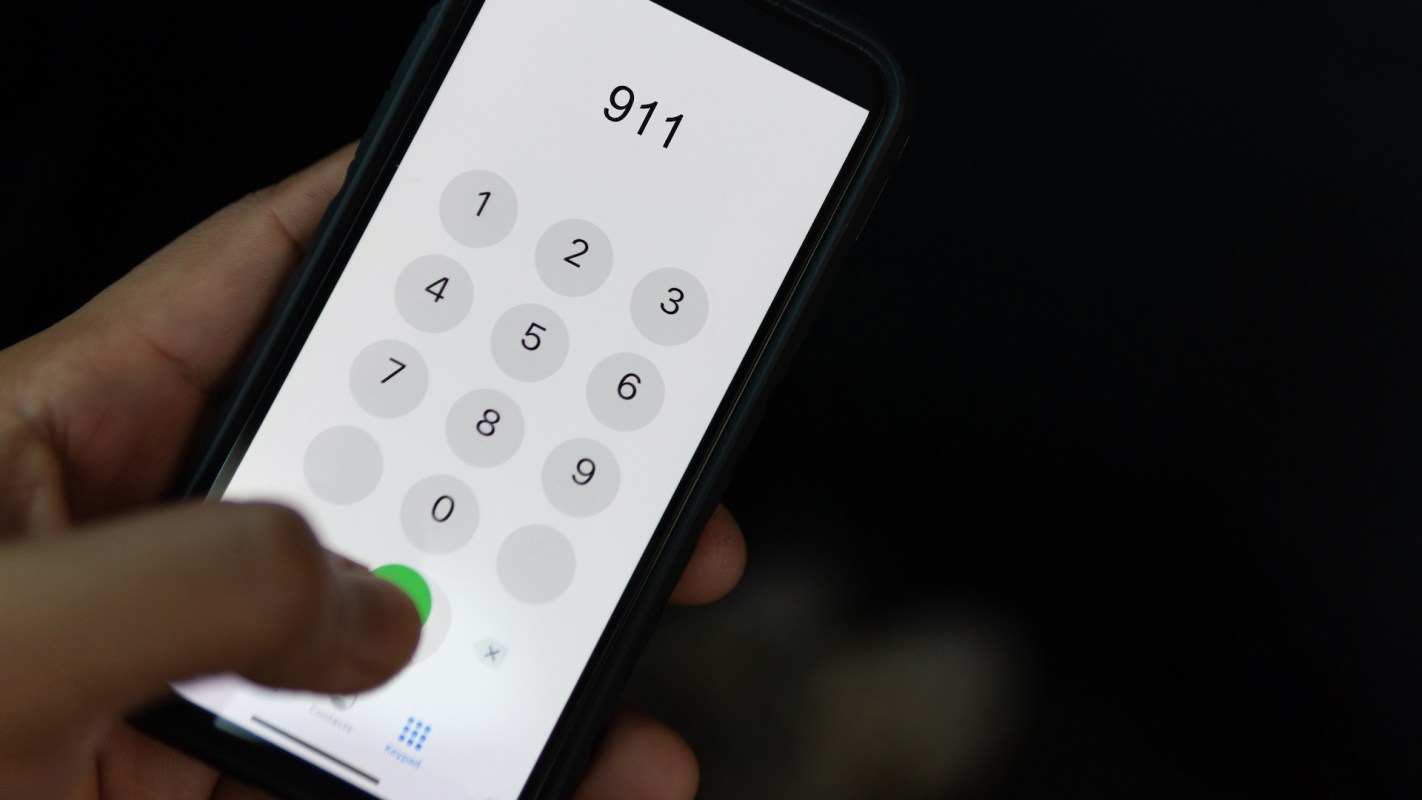
The city of New Orleans is incorporating artificial intelligence into its 911 operations, giving the technology a role in answering emergency calls. The news out of Louisiana has sparked debate online.
Supporters argue it could relieve pressure on an overburdened dispatch system, while critics say even narrow use could introduce serious errors in moments when accuracy matters most.
What's happening?
In late July, the Orleans Parish Communication District started using a system called AI Emergency Call Triage after testing it on New Orleans' 311 hotline, as reported by the Shreveport Times and covered by the New York Post.
Rather than sending every call directly to a human, the tool is intended to evaluate urgency and determine what needs immediate attention. It can reportedly forward higher-priority calls to dispatchers while handling lower-priority reports itself.
New Orleans appears to be the first major municipality in the country to use AI in this way, though Seattle and Atlanta have also introduced AI to emergency response systems, to a lesser extent, according to the Post.
Why does it matter?
One online critic, identifying as a former first responder, put it bluntly, saying, per the Post, "This is the worst idea you could possibly think of."
TCD Picks » Quince Spotlight
💡These best-sellers from Quince deliver affordable, sustainable luxury for all




As he noted, people making emergency calls are often speaking rapidly and unclearly. They may be injured, panicked, or hard to understand. They may also be trying to signal danger indirectly to avoid putting themselves in harm's way — context AI may fail to register appropriately.
Beyond AI's relationship with the energy grid and water supplies, which can place strains on infrastructure and raise utility costs, concerns extend to how easily AI systems can be influenced.
In February, NewsGuard data found that bots, including ChatGPT and Gemini, gave convincing audio answers containing false information nearly half the time, per the Post.
What's being done?
Officials say they believe the system can be used responsibly if strong safeguards are in place. They argue that human oversight, improved training data, cybersecurity protections, and rules governing the algorithm could allow the technology to function effectively.
New Orleans is also restricting how the tool is used. Rather than turning over all emergency calls, the city says the AI tool is intended for overflow situations and for callers near incidents that have already been reported.
Still, many readers online weren't convinced. "The first time they have to pay out a $50 million settlement, this idea will get shelved," one Post commenter wrote.

Get TCD's free newsletters for easy tips, smart advice, and a chance to earn $5,000 toward home upgrades. To see more stories like this one, change your Google preferences here.






