


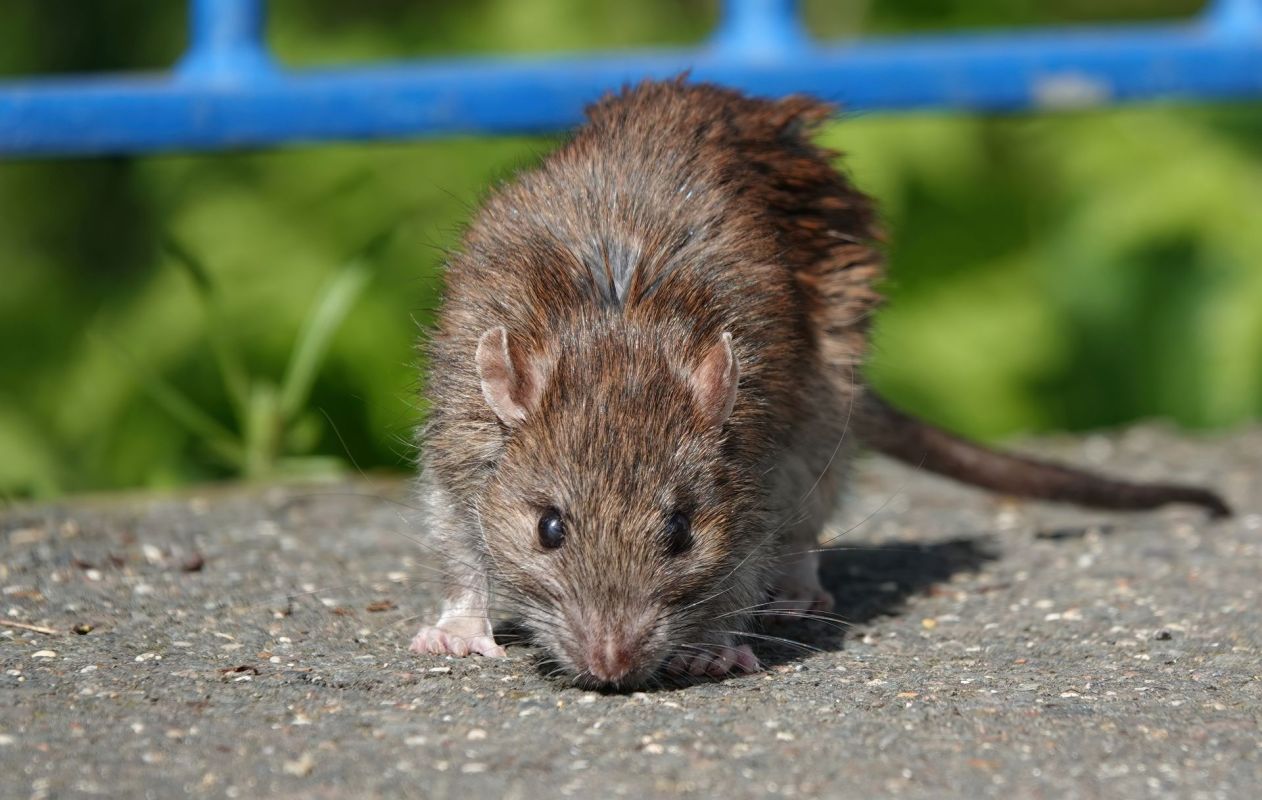
New Mexico has recorded another case of plague in wildlife after a dead wild rat found on private property in Santa Fe County tested positive, a reminder that the disease still appears from time to time in the American Southwest.
The state health department said the finding is the county's first confirmed plague infection in a wild animal in 2026.
Here's what to know
The rat was tested after a homeowner found the carcass and submitted it, the New York Post reported. The New Mexico Department of Health said the infection was caused by Yersinia pestis and that it happened after four other plague cases in dogs in 2026 — three in Santa Fe County and one in Bernalillo County.
The health department says human plague infections are uncommon, even though New Mexico typically accounts for about half of the U.S. total in a typical year. People can be exposed through infected fleas and through animals involved in transmission, including rodents, rabbits, and household pets.
Officials assured the public that the case is a public health warning and does not indicate any widespread outbreak. While plague is uncommon, it can be life-threatening without timely treatment, and early detection makes it easier for doctors and veterinarians to treat individuals with antibiotics.
More background
In people, plague can cause sudden fever, chills, headache, nausea, and swollen lymph nodes. Pets may show fever, lethargy, poor appetite, and enlarged lymph nodes.
TCD Picks » Quince Spotlight
💡These best-sellers from Quince deliver affordable, sustainable luxury for all




Public health agencies track animal cases to identify risks before more people or pets get sick. When officials confirm a positive test in wildlife, they are also signaling where residents should take extra care around fleas, rodents, and contact with dead animals.
New Mexico reported a 43-year-old Valencia County man hospitalized with plague in 2025. In 2025, an Arizona man and a domestic cat in Colorado died after contracting bubonic plague.
What can be done?
State officials recommend reducing places where rodents can live by clearing brush piles, woodpiles, junk, and abandoned vehicles near homes, and by keeping pet food and water away from wildlife.
They also advise residents to avoid sick or dead rodents and rabbits, use veterinarian-approved flea control products on pets, and seek prompt veterinary care if a dog or cat appears ill.
"Pets can be infected with plague if they eat an infected animal or are bitten by infected fleas," Dr. Chad Smelser, deputy state epidemiologist for the New Mexico Department of Health, said in a statement.
Reducing contact among pets, pests, and people, and paying close attention to symptoms, can lower the risk. Plague still appears in wildlife in New Mexico.
Health officials are urging vigilance rather than panic. As Smelser put it: "While this is an animal case of plague, it's important to remember humans can get plague from flea bites or direct contact with infected animals, including rodents, wildlife and even pets."
Where can I learn more?
New Mexico's plague detections are part of a wider effort to track diseases that can pass among wildlife, pets, and people. They also show how fleas and other disease-carrying pests can turn an isolated animal infection into a broader health concern.
• In New Mexico, officials issued a warning after a dog tested positive for plague.
• In New Jersey, scientists are tracking disease impacting amphibians statewide as wildlife health risks grow.
• In California, authorities made a concerning discovery about Aedes aegypti mosquitoes that spread disease.
• In Kansas, health officials warned after a concerning first-time discovery of invasive Asian longhorned ticks.
Tracking animal health can make a difference before people are exposed, and these incidents may show how disease risk can shift with local environmental conditions.

Get TCD's free newsletters for easy tips, smart advice, and a chance to earn $5,000 toward home upgrades. To see more stories like this one, change your Google preferences here.






