


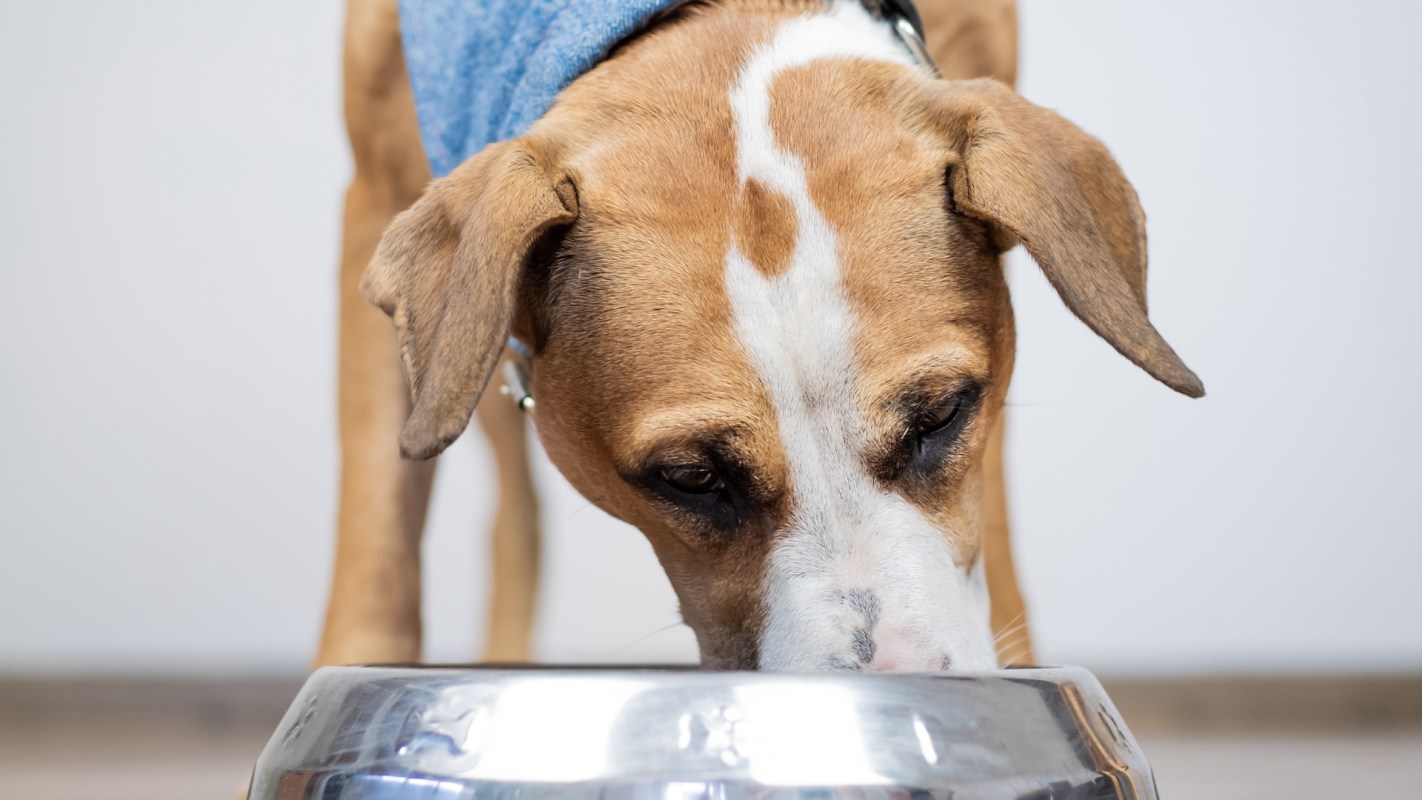
Lab-grown meat is no longer just a concept. Stores are already carrying it, beginning in the pet food aisle.
Real chicken grown without raising or slaughtering birds is now showing up in dog treats, giving pet owners an early glimpse of what meat production could look like in the future, the Royal Examiner reported.
What happened?
In February 2025, the British chain Pets at Home started selling Chick Bites, a dog treat made with cultivated chicken.
That chicken comes from Meatly, a U.K. company that grows real meat from animal cells instead of depending on conventionally farmed livestock.
Cultivated meat is not imitation meat made from plants; it is genuine animal protein produced by nourishing animal cells inside controlled tanks.
For Meatly, production begins with one egg cell, which is grown into chicken meat in equipment conceptually similar to fermentation setups used for products such as yogurt or beer.
TCD Picks » Quince Spotlight
💡These best-sellers from Quince deliver affordable, sustainable luxury for all




At this stage, dogs are the initial buyers, allowing companies to use pet products as a testing ground while they work toward broader commercialization.
Why does it matter?
The pet food aisle may be one of the most practical places for cultivated meat to enter because it addresses an existing demand without first requiring people to put it on their own plates.
Because many owners already spend on premium treats and specialty pet foods, a new chicken product may feel easier to try in a dog's bowl than at the family dinner table.
Traditional meat production uses large amounts of land, water, and feed, while also generating pollution and animal waste.
If cultivated meat can eventually be produced with fewer resources, it could become one tool for reducing the environmental impact of the foods families buy, including food for their pets.
If companies can produce real meat more efficiently, it could expand consumer choice, ease pressure on natural resources, and offer another option for households looking for familiar proteins with a smaller footprint.
What's being done?
Meatly and similar companies are treating pet food as an initial route into the market.
Starting with dog treats lets cultivated meat makers work in a smaller, simpler category while demonstrating safety compliance, improving production scale, and bringing down costs over time.
Rolling out products this way may also make shoppers more comfortable with meat grown in tanks, while giving regulators and manufacturers practical experience ahead of wider releases.
A few dog treats will not remake the food system overnight, but the pet aisle could become the place where many households first come across real meat made with fewer animals and, potentially, fewer resources.

Get TCD's free newsletters for easy tips, smart advice, and a chance to earn $5,000 toward home upgrades. To see more stories like this one, change your Google preferences here.






