


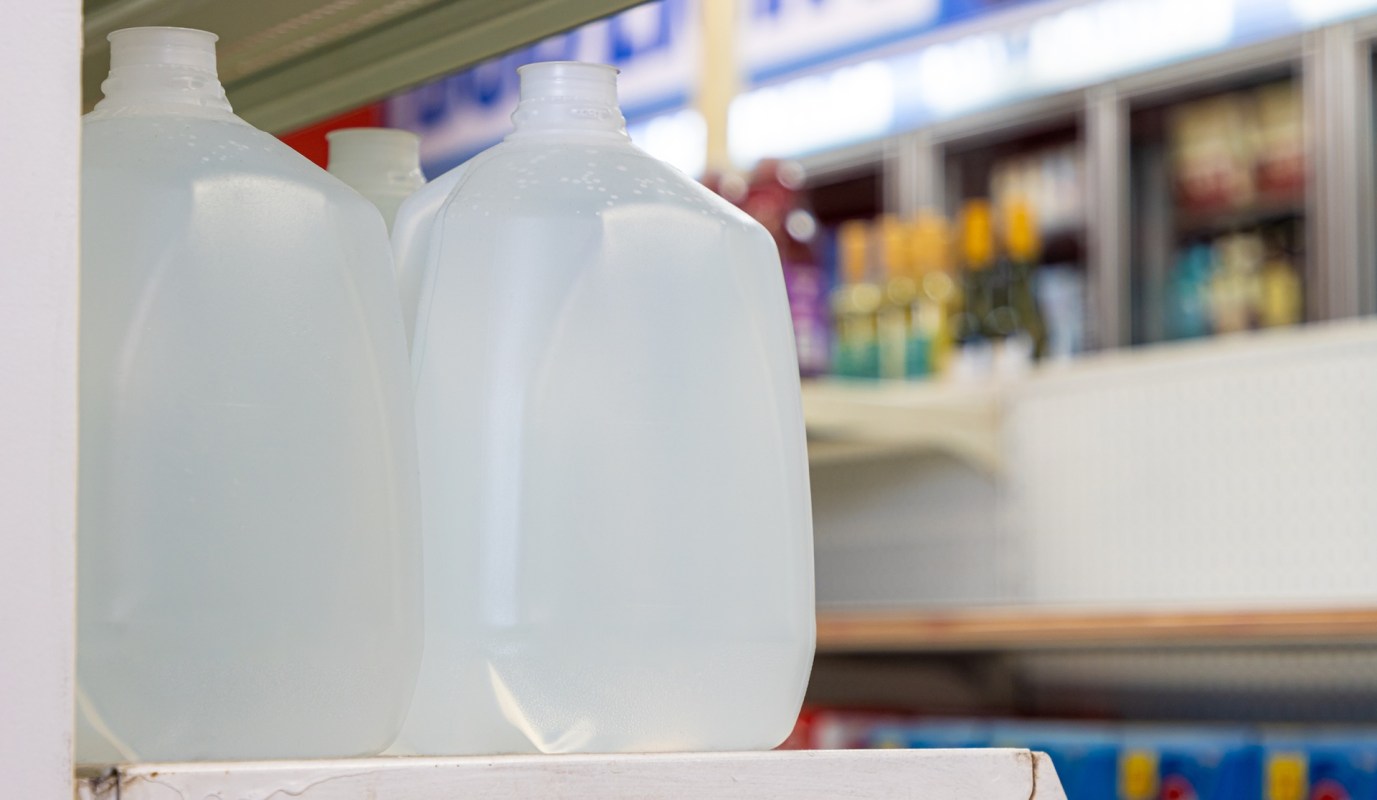
For New Hampshire resident Kathryn Segreti, whose house sits just outside the area where a plastics company must address PFAS contamination, getting drinking water means a weekly drive to a bottled water supplier, even though her home has running water.
Here's what to know
PFAS are also known as "forever chemicals" because they don't readily break down in nature and can build up in human bodies. Ten years ago, testing found them in tap water at Merrimack's Saint-Gobain Performance Plastics manufacturing plant, as well as in the communities of Merrimack, Bedford, Litchfield, Londonderry and Hudson, WMUR reported.
On Monday, residents heard updates on the contamination.
The discussion covered how current and planned cleanup efforts would help provide communities with safe drinking water, including a $1.7 million investment in a new water main and Saint-Gobain's responsibilities under a 2018 consent decree.
A toxicologist also attended the meeting so people could ask questions about the health risks associated with PFAS, including cancer.
More background
Segreti is among the residents who feel Saint-Gobain should be required to do more, as the PFAS contamination has left her unwilling to use her tap water.
TCD Picks » Quince Spotlight
💡These best-sellers from Quince deliver affordable, sustainable luxury for all




"I don't use it. If I'm going to be doing pasta, I don't use it. If I'm boiling potatoes, I don't drink it. I drive to Monadnock in Wilton to get my water. It's a weekly thing now," Segreti said, per WMUR.
"It's not localized," added Chester resident Saul Shriber. "It's something that I think eventually all of us in New Hampshire are going to need some type of device. [They're going to have to] put on a filter to take care of the PFAS in their water."
For New Hampshire state Rep. Rosemarie Rung, who represents Hillsborough District 12, the ongoing response to PFAS contamination in air and water points to a broader regulatory failure.
"We're playing catch up to a lot of the failure of our government to be able to regulate dangerous chemicals. We just didn't have the information," Rung said, per WMUR.
"I think they're going as best as they can under the circumstances," she said.
The New Hampshire Department of Environmental Services has more information about PFAS cleanup efforts on its website.

Get TCD's free newsletters for easy tips, smart advice, and a chance to earn $5,000 toward home upgrades. To see more stories like this one, change your Google preferences here.






