


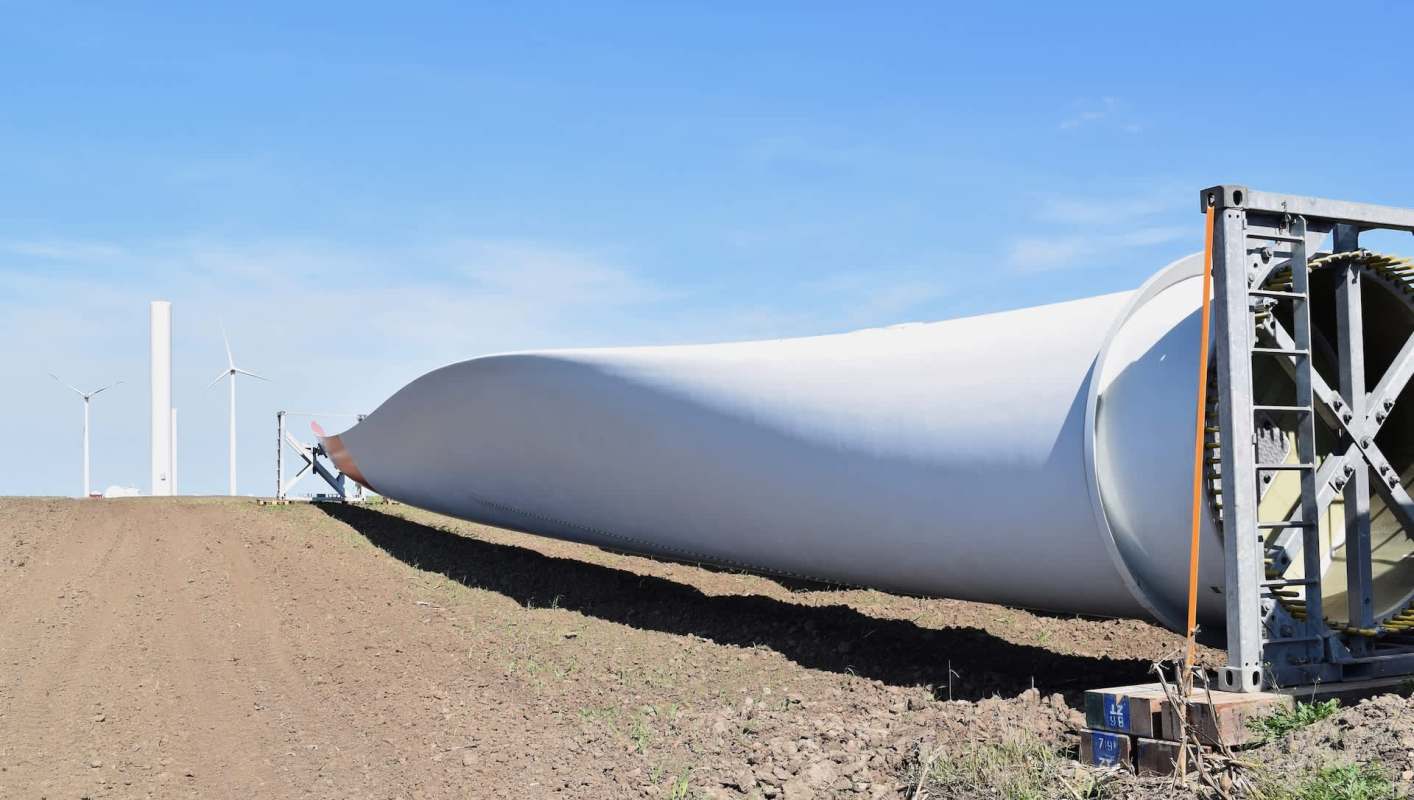
In China, a newly built giant wind turbine has left the prototype phase behind and begun feeding power into the grid.
A single turbine can generate enough electricity to power around 55,000 homes.
What happened?
On October 29, Dongfang Electric linked its 26-megawatt turbine in Shandong province to the grid, according to Okdiario.
Xinhua reported that the unit set a global record among grid-connected wind turbines for both single-unit capacity and rotor diameter.
The machine is designed for offshore use, though this test version is installed onshore at the Dongying Wind Power Equipment Testing and Certification Innovation Base.
By size, the turbine is extraordinary. As Okdiario noted, it has a rotor span of more than 1,017 feet, blades measuring about 502 feet each, and a swept area of roughly 19 acres.
TCD Picks » Quince Spotlight
💡These best-sellers from Quince deliver affordable, sustainable luxury for all




At average wind speeds of about 22 miles per hour, the turbine can generate around 100 million kilowatt-hours each year, according to estimates from Dongfang.
More broadly, the project reflects a move toward larger wind machines, with taller towers and longer blades, so fewer turbines can produce more clean energy.
Why does it matter?
Larger turbines could eventually help make electricity systems cleaner, more reliable, and less exposed to fuel price swings.
If developers can generate more power from fewer machines, that could reduce some construction and maintenance costs over time — savings that could matter for utilities, cities, and businesses trying to keep energy bills under control.
Chinese state media, citing Dongfang estimates, said one 26-megawatt turbine could displace more than 33,000 tons of standard coal per year and prevent more than 88,000 tons of carbon dioxide emissions annually.
Burning less coal can also mean less air pollution for communities far beyond the wind farm itself.
The technology still faces hurdles, particularly regarding potential damage to marine habitats and the logistics of transporting and installing components at this scale.
Its value will depend on whether these giant turbines prove dependable under real-world offshore conditions.
What are people saying?
Xinhua praised the grid connection a major industry milestone.
The Global Wind Energy Council said China held about half of cumulative global offshore wind capacity by the end of 2024 and topped new installations for a seventh consecutive year, while also warning of policy instability, unsuccessful auctions, transmission holdups, and slower project commissioning in some regions.
CGTN said testing was going smoothly and reported that Dongfang aims to build similar turbines in Guangdong and Fujian as early as this year.

Get TCD's free newsletters for easy tips, smart advice, and a chance to earn $5,000 toward home upgrades. To see more stories like this one, change your Google preferences here.






