


With the rusty patched bumblebee now nearly gone from New England, researchers say some of the simplest changes may offer the best chance of helping it return.
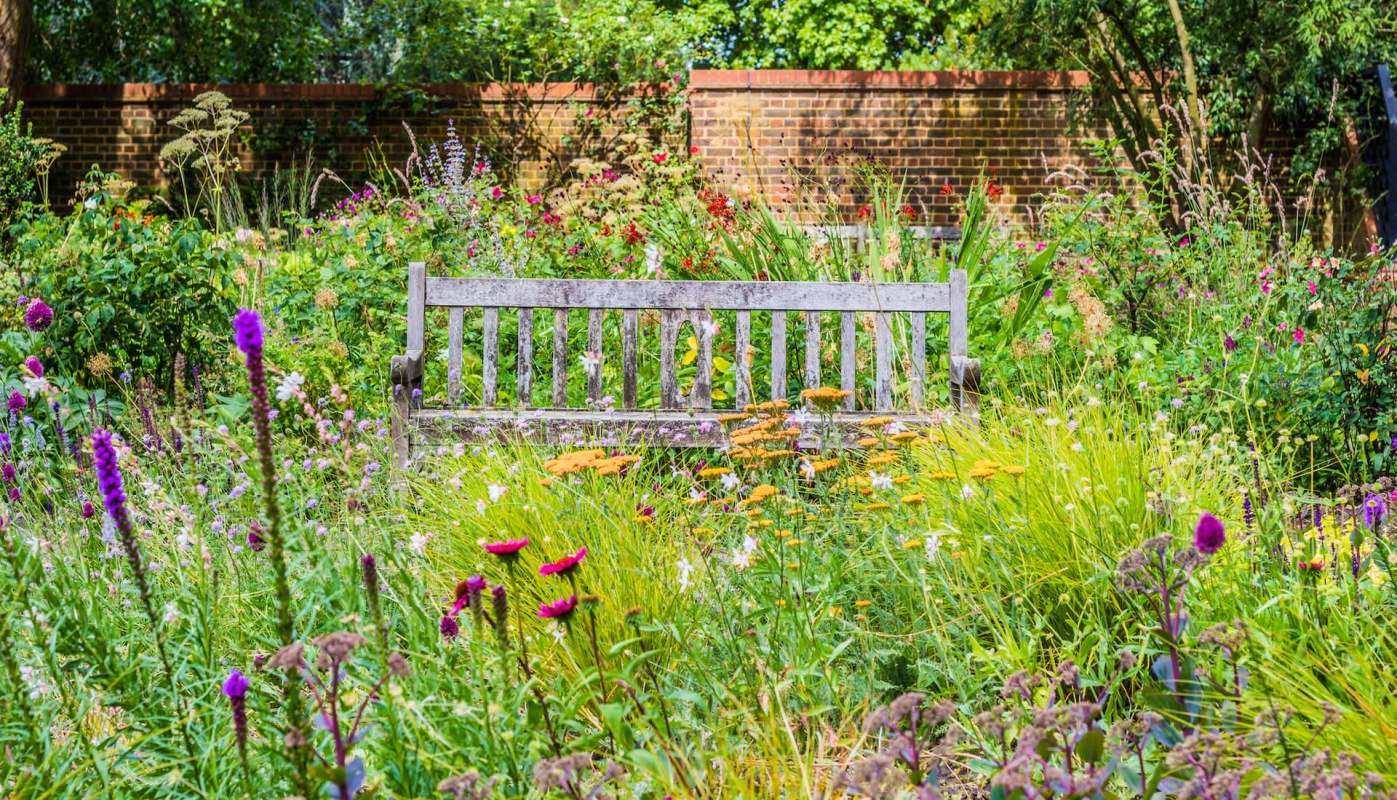
As Northeastern Global News reported, a new initiative is trying to spark a revival by mowing less to let more wildflowers grow and by adding vegetation to rooftops.
Here's what to know
Nearly all of the bee's usual New England range has gone without sightings since 1999, and the latest East Coast record was documented in 2009 near Bangor, Maine.
Damon Hall, a Northeastern University associate professor of environmental sciences and public policy, began a research effort to see whether municipal governments can help restore the rusty patched bumblebee, according to Northeastern Global News.
The idea behind the project is that local rules governing things like mowing and pesticide use may be more effective at rebuilding habitat than species protections by themselves.
Its first stage is centered on assembling a database of pollinator-friendly policies in about 2,500 municipalities across the six New England states and New York, which is also part of the bee's native range.
TCD Picks » Quince Spotlight
💡These best-sellers from Quince deliver affordable, sustainable luxury for all




Known scientifically as Bombus affinis, the rusty patched bumblebee is about the size of a penny and can be identified by an orange band on its abdomen. Like other wild bees, it is an important pollinator for plants used by both humans and wildlife.
Why is this effort crucial?
"The rusty patched is a bellwether for the insect world," Hall told Northeastern Global News. All bumblebees, sweat bees, orchard bees, are in trouble. All studies show wild bees are declining. If we save one, we can bring more back with it."
And the choices that local governments make about land use and maintenance can either create habitat for pollinators or make conditions harder for them.
To measure that influence, the outlet said the researchers are examining municipal ordinances, budgets, action plans, and public outreach materials for policies or programs that benefit bees and other insects.
Because wild bees are critical to ecosystems and food production, their decline can affect all kinds of plants that depend on pollination.
What's being done?
Initial results indicate that some municipalities are already trying practical approaches.
Among the examples Hall's team has found are efforts in Boston and Bangor that include rooftop hives on city-owned property, reduced pesticide use, and designated pollinator pathways.
Some communities are even pairing public policy with household action. In Somerville, Massachusetts, a 2024 pollinator action plan encourages residents to plant gardens and wildflowers and to use outdoor potted plants when space is limited.
In Maine, the Department of Inland Fisheries and Wildlife has urged residents to watch for the rusty patched bumblebee and submit a photo to the state if they find one.
Hall will put all the information together to try to help the insect thrive.
"If it helps the bees, we want to know about it," he told Northeastern Global News.
Where can I learn more?
Some of the same lawn and landscaping ideas being discussed in New England are already showing up in programs elsewhere.
• In Pennsylvania, homeowners are receiving free pocket meadow kits to replace turf with pollinator habitat.
• In North Marin, the water district offers residents up to $2,500 to transform water-thirsty lawns.
• In Mesa, Arizona, the city pays residents over a thousand dollars to replace grass.
• In San Antonio, rebate programs help households replace thirsty grass with low-maintenance garden plants.
Small choices in a yard or neighborhood can add up to real habitat. Even if they don't seem like much in the grand scheme of things, every wildflower and pollinator saved really does count.

Get TCD's free newsletters for easy tips, smart advice, and a chance to earn $5,000 toward home upgrades. To see more stories like this one, change your Google preferences here.






