


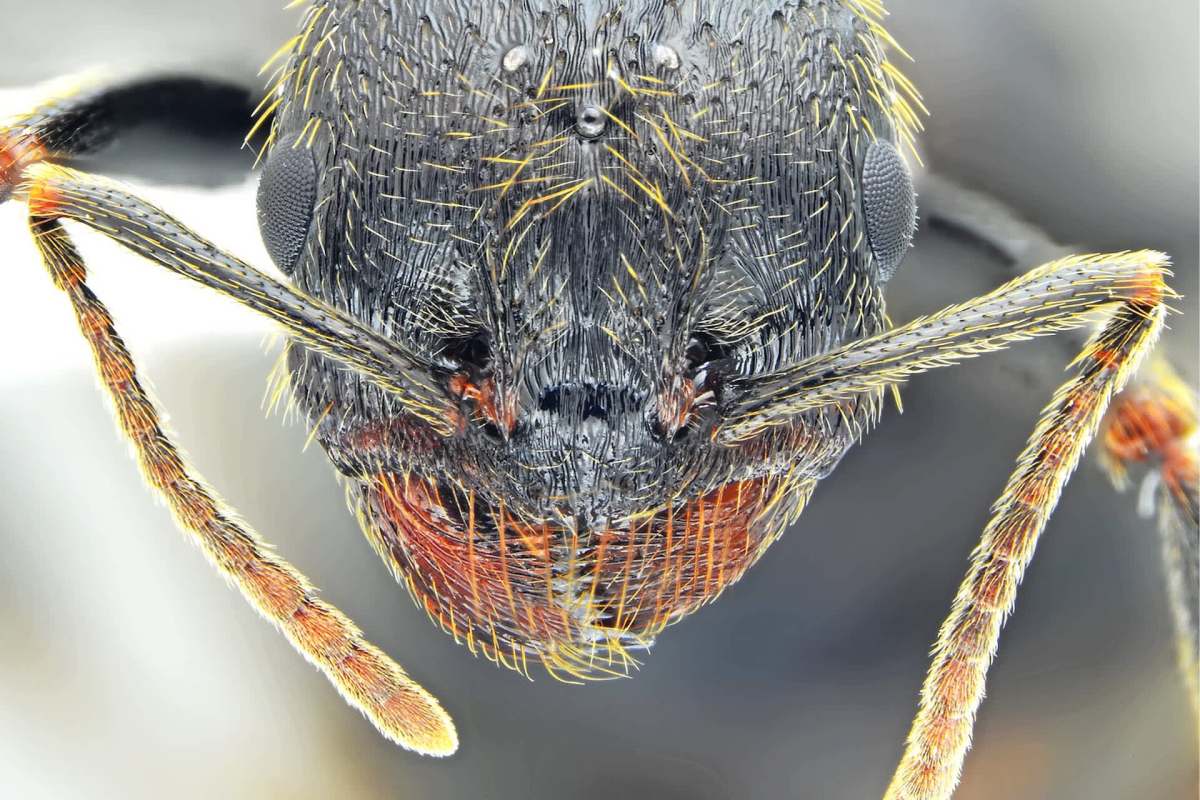
Bulgaria's newly described ant species is notable not just as another addition to a checklist.
Researchers say it may help clarify an unusual European ant group in which insects that look alike can belong to very different genetic lineages.
What's happening?
The ant, named Messor odrysarum, was described by an international team, according to FOX Weather.
Its addition highlights how difficult the Messor group has been for scientists to sort out.
Albena Lapeva-Gjonova of Sofia University and Lech Borowiec of Poland's University of Wrocław classified the species within the Messor genus.
That group is known both for unusual reproductive behavior and for the subtle traits that separate one species from another.
TCD Picks » Quince Spotlight
💡These best-sellers from Quince deliver affordable, sustainable luxury for all




A major reason for the challenge is cryptic diversity within Messor: ants that seem nearly identical at a glance may still be genetically distinct species.
So far, Messor odrysarum has been documented in Bulgaria's Eastern Rhodopes, and researchers found nests along dirt roads in oak forests and open grasslands.
The discovery raises Bulgaria's recognized Messor species count to nine.
Why does it matter?
The genus is especially notable because some Messor queens reproduce through xenoparity, a rare system in which offspring can be produced or cloned from a different species.
Each newly identified species could offer a clue to a larger biological puzzle. If researchers can more clearly sort out which ants belong to which species, they can also make progress in understanding how these insects evolved and how their unusual reproductive systems function.
When animals that appear the same turn out to be genetically different, it can show that local biodiversity is richer than previously understood — and potentially more vulnerable as well. Knowing exactly what lives in a landscape is often the first step toward protecting it.
Oak forests, grasslands, and even roadside habitats can support species scientists are only beginning to recognize.
What's being done?
Researchers are continuing to document where Messor odrysarum lives and how it behaves.
In the reported sites, the nests opened at ground level, and seed remains seen nearby in late summer provided early clues about the species' feeding habits.
The species' name also points to local history. Odrysarum refers to the ancient Thracian state of Odrysia, founded in the early fifth century B.C., and the discovery site lay within its former borders.
The fieldwork, taxonomy, and local context can help scientists compare populations across borders and determine whether similar-looking ants elsewhere may actually be separate species.
Because the genus Messor combines hidden genetic differences with unusual reproduction, Messor odrysarum could become a useful reference point for better understanding this European insect lineage.

Get TCD's free newsletters for easy tips, smart advice, and a chance to earn $5,000 toward home upgrades. To see more stories like this one, change your Google preferences here.






