


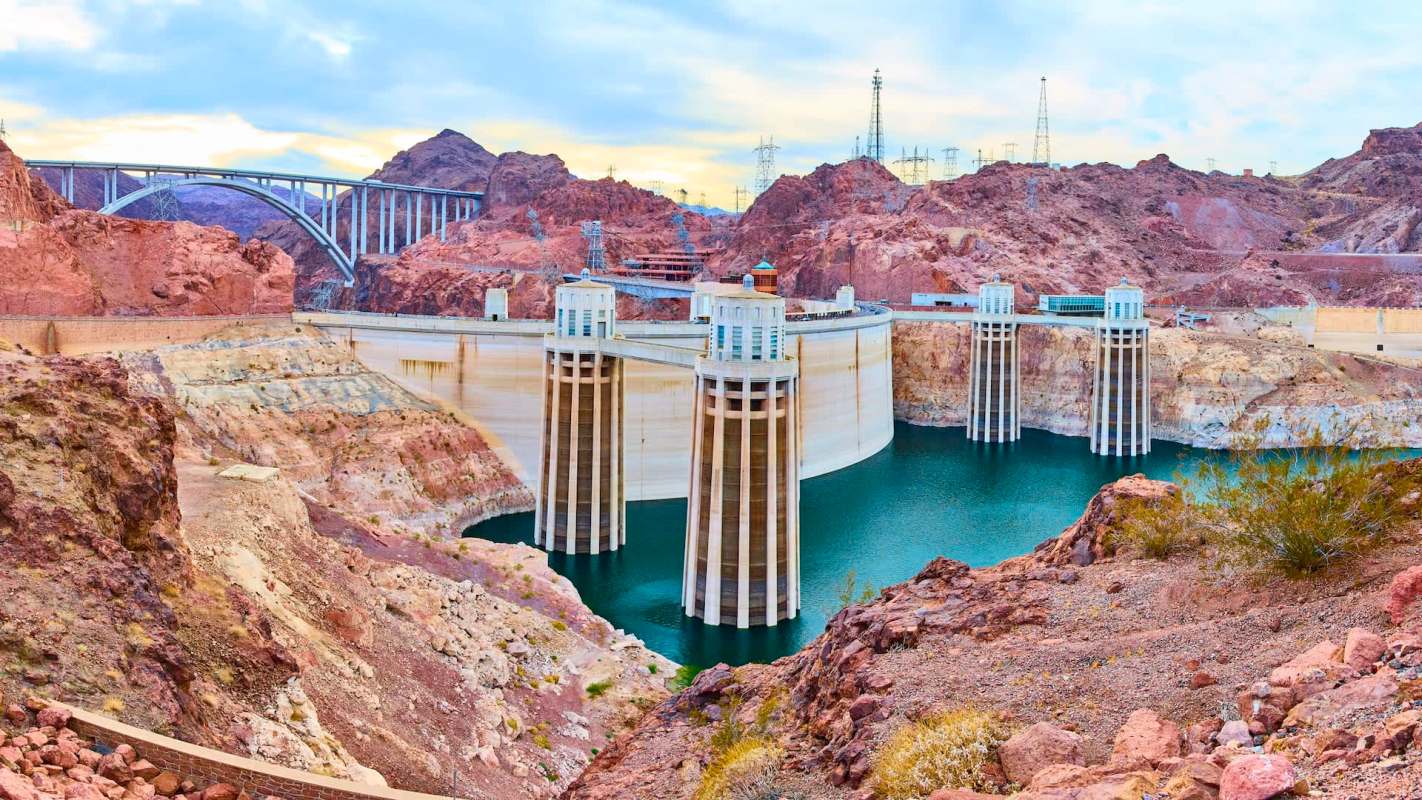
Even as water problems across the West intensified, Nevada cultivated an image as a pragmatic broker on the Colorado River and cited falling water use in Las Vegas.
That stance has now given way to a court fight: the state is suing the federal government, arguing that a new river management proposal could endanger water supplies for its largest metropolitan area, Grist reported.
Here's what to know
Nevada's challenge centers on a new federal plan for the Colorado River that could force steep water cuts in the Lower Basin states — Arizona, Nevada, and California — as reservoir levels continue to fall.
Nevada says the plan could reduce the Las Vegas area's water supply by up to 71%.
For longtime Colorado River watchers, the suit is striking because Nevada has usually described its role in drought-era disputes as that of a dealmaker.
"I expected that there would be litigation, but it was surprising to me that Nevada fired the first shot," said Anne Castle, former chair of the Upper Colorado River Commission.
TCD Picks » Quince Spotlight
💡These best-sellers from Quince deliver affordable, sustainable luxury for all




The conflict comes after more than two years of talks between the seven Colorado River states and federal officials failed to produce an agreement before the current operating rules expire in October.
Federal officials then moved ahead with their own plan aimed at protecting reservoir levels that are dropping so quickly it could threaten hydropower generation and dam operations.
Unlike some neighboring states that can offset cuts by fallowing farmland, Nevada directs nearly all of its Colorado River water to urban users, meaning the burden would fall much more directly on households, workers, and businesses in the Las Vegas region.
More background
What makes the lawsuit stand out is southern Nevada's conservation record.
Over about 20 years, the Las Vegas area reduced per capita water use by 58%, a change Grist attributed to extensive water reuse systems and restrictions on new turf and fountains.
If this dispute weakens cooperation, it could slow regional planning at a time when climate change and overuse continue to shrink one of the West's most important water supplies.
Nevada argues that the federal review process failed to fully consider the economic consequences for Las Vegas or to explore alternatives, including operational changes at Glen Canyon Dam.
Kyle Roerink, former director of the Great Basin Water Network, addressed the issue.
"Nobody can deny that the federal government did a ton of modeling and scenario analyses, but in terms of where the rubber meets the road, what were all the inputs, and what were some of the other analyses that could have been done?" he asked.
The case also adds uncertainty for tribes and other water users who depend on clear rules.
"We are disappointed to see Nevada filing suit here, and are concerned about what the ramifications will be for the operations plans in 2027 and potentially 2028," said Jay Weiner, counsel for the Fort Yuma Quechan Indian Tribe.
What's being done?
Even with the lawsuit, the future of the Colorado River is not necessarily headed for all-out collapse.
Nevada, Arizona, and California already have a shortage-sharing agreement built into the federal framework through 2028, and the plan allows updates thereafter.
Experts also note that litigation does not automatically end negotiations.
States can continue working out temporary arrangements while the courts weigh Nevada's claims, and a broader seven-state agreement remains possible if talks resume.
A negotiated solution is more likely than a court order to encompass the needs of cities, farms, tribes, and ecosystems all at once.
"You can get along and argue at the same time, and you develop long-term relationships through that," Navajo Nation Chief Counsel Bidtah Becker said at a 2024 conference.
Where can I learn more?
Nevada's case is one piece of a broader fight over who gets water from a shrinking Colorado River and what that water is worth across the West.
The articles below focus on possible deeper cuts, battles over water rights in Arizona and California, and the policy debate over who stands to gain as shortages worsen.
• Federal officials warned that 40% water cuts in Arizona could also hit California and Nevada.
• In Cibola, Arizona, a 'nightmare' water sale threatened to reshape Colorado River rights.
• In Imperial Valley, a data center lawsuit revived fights over who gets Colorado River water.
• In Congress, lawmakers pushed a bill against water futures as scarcity drew investors.
Read together, these articles show why Nevada's lawsuit reaches beyond one state's allocation.
What happens next could influence how the West manages shortages, development, and water markets as the river continues to shrink.

Get TCD's free newsletters for easy tips, smart advice, and a chance to earn $5,000 toward home upgrades. To see more stories like this one, change your Google preferences here.






