


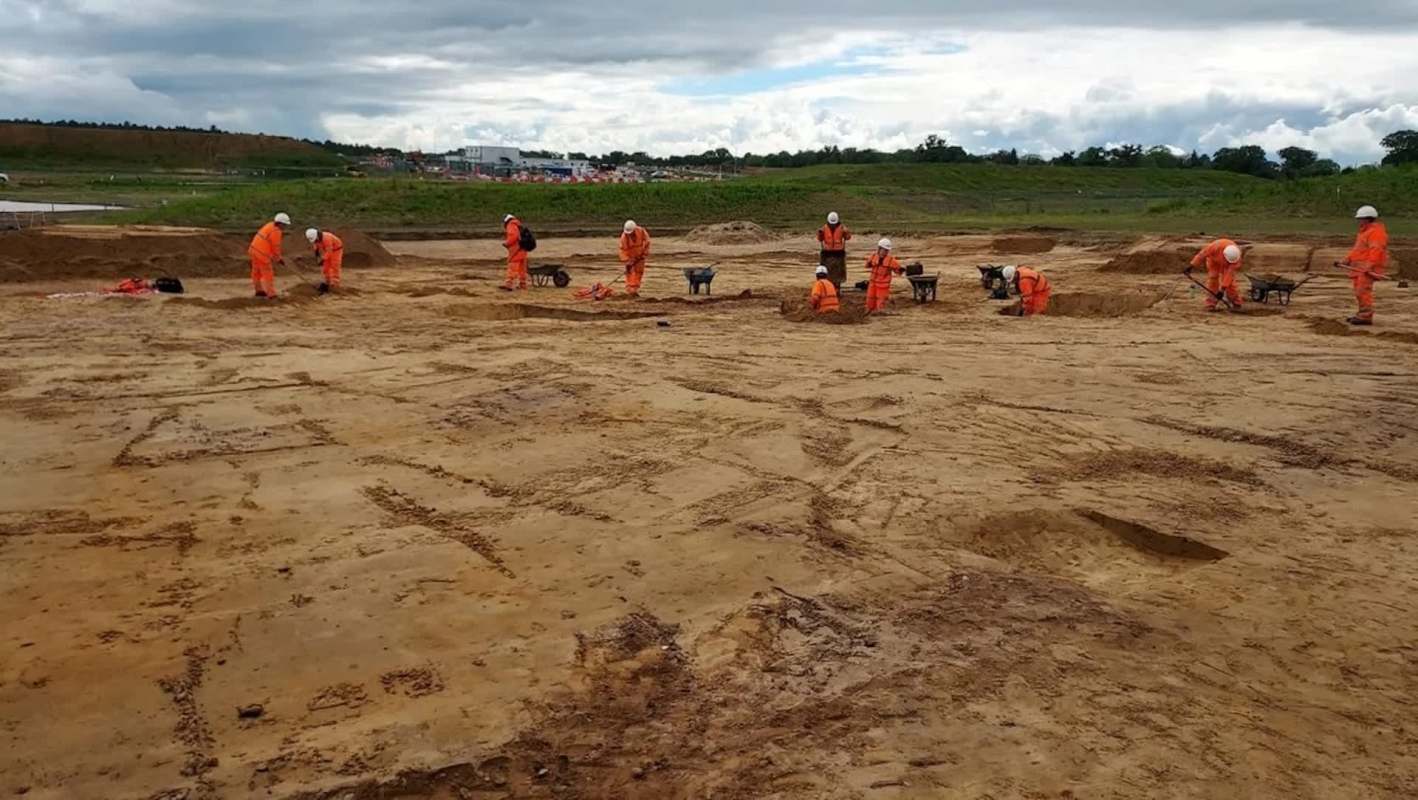
A rare prehistoric monument emerged from the Suffolk coast ahead of major construction in the area.
Researchers with Oxford Cotswold Archaeology working ahead of the Sizewell C nuclear power station uncovered a Neolithic long enclosure dating back nearly 5,800 years, offering a striking glimpse into some of Britain's earliest farming communities.
What's happening?
As archaeology news outlet Heritage Daily reported, the rectangular earthwork came to light during excavations at the Sizewell C development site.
It is about 50 meters by 20 meters (164 feet by 66 feet) and formed by a ditch paired with a bank.
Postholes within the enclosure suggest its center was left open, according to Heritage Daily, and a research team evaluating the site believes it may have been a ceremonial or communal space.
The specialists turned to optically stimulated luminescence — or OSL — to measure when mineral grains in the sediment were last exposed to sunlight. The archaeology news outlet reported that the OSL results suggested portions of the site were originally constructed around 3800 BC.
TCD Picks » Quince Spotlight
💡These best-sellers from Quince deliver affordable, sustainable luxury for all




Why does it matter?
These discoveries are rare. The research team has said that long enclosures rank among the earliest monuments of Neolithic Britain, but many have been largely erased by erosion, acidic soils, and landscape alterations, according to Heritage Daily.
The discovery, meanwhile, highlights how much archaeology can survive beneath ground earmarked for modern construction.
At Sizewell, Oxford Cotswold Archaeology said the enclosure continued to shape the landscape for centuries, and later material filling its ditches dates to the Beaker period or the Early Bronze Age. Heritage Daily reported that its extended use has helped archaeologists understand how later communities kept engaging with older monuments over long stretches of time.
What's being done?
With so little visible evidence surviving, Oxford Cotswold Archaeology said scientific techniques were central to the excavation.
The ditches had decayed so badly that archaeologists followed them by spotting subtle shifts in soil color, texture, and compaction, even as winter rain flooded parts of the site, Heritage Daily reported.
Researchers also recovered a small quantity of pottery from the Early Neolithic and Early Iron Age, as well as 31 worked flint pieces, according to the archaeology news outlet.
This newly identified enclosure adds to the expanding prehistoric record around Sizewell and nearby Leiston, showing that the area preserves signs of people living and building there more than 5,000 years ago.

Get TCD's free newsletters for easy tips, smart advice, and a chance to earn $5,000 toward home upgrades. To see more stories like this one, change your Google preferences here.






