


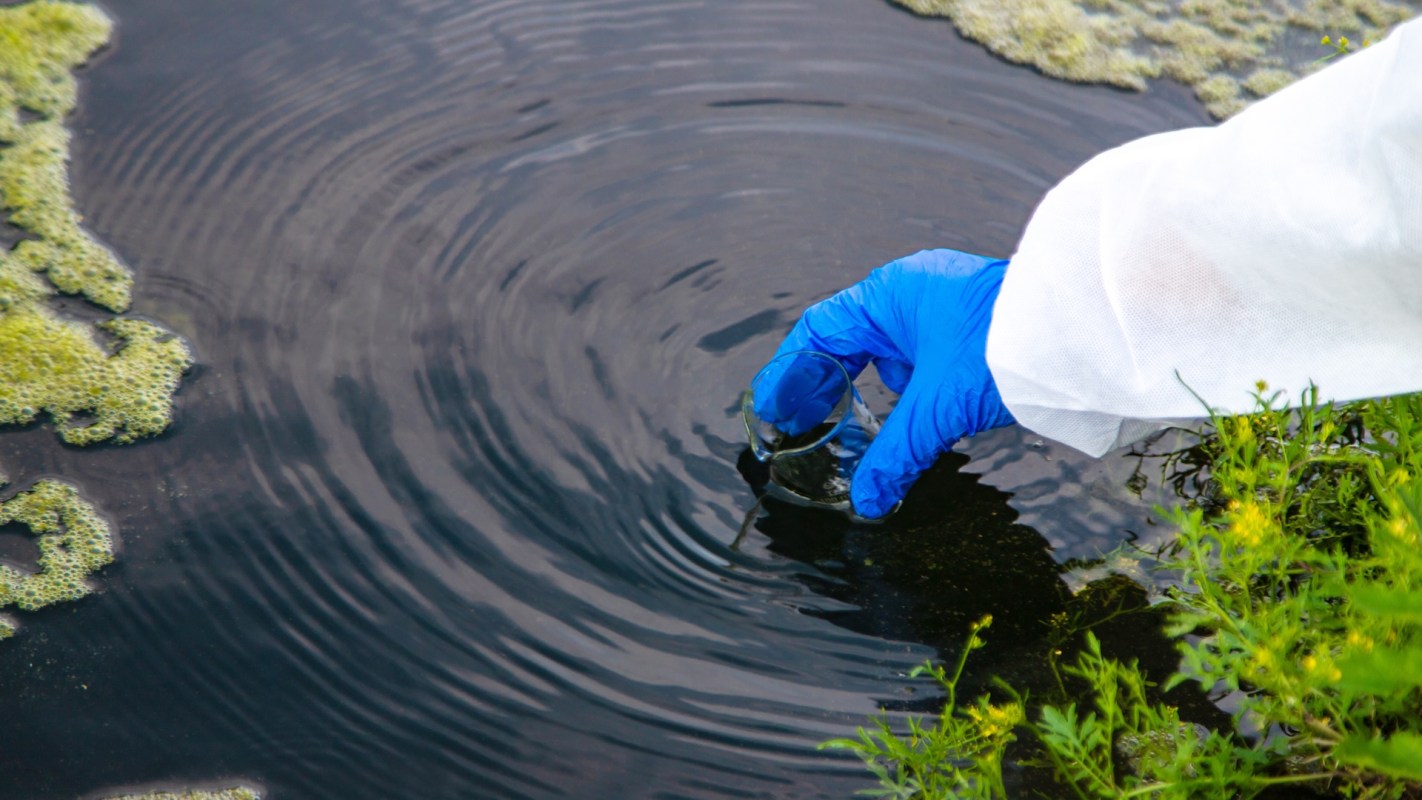
For residents near Calverton, New York's former Grumman property, concern has intensified after the Navy said fish from Swan Pond contained elevated PFAS levels, but the public was not told for more than a year.
The delayed notice is drawing sharper scrutiny of a remediation effort that has dragged on for decades, while contamination continues to threaten nearby waterways.
What happened?
At Tuesday's virtual Restoration Advisory Board meeting, Navy officials said they plan to move forward with an interim groundwater treatment measure intended to keep the contamination from reaching Swan Pond, Riverhead News-Review reported.
Officials also disclosed that fish, sediment, and surface water from Swan Pond were sampled in November 2024, that excessive PFAS concentrations were found in fish fillets, and that no public notice was issued for more than a year.
The contamination involves PFAS, often called "forever chemicals," and has been linked to a former fire training pit at the old military aircraft facility.
Suffolk County health data released in April found substantial PFAS levels in Swan Pond, Donahue Pond, and the Peconic River.
TCD Picks » Quince Spotlight
💡These best-sellers from Quince deliver affordable, sustainable luxury for all




Addressing the lapse, Addison Phoenix, the Navy's remedial project manager for Calverton and co-chair of the RAB, said, "This was an oversight. We will not be making this mistake in [the] future."
The episode adds to the criticism of the military's three-decade effort to clean up the toxic Grumman plume in Calverton.
Why does it matter?
Because PFAS can persist for years in water, soil, and living organisms, delays in disclosure can affect decisions about fishing, recreation, and private well safety.
Earlier surveys, according to Suffolk County health officials, indicated a credible risk tied to eating contaminated fish, and the county has posted a "no fishing" sign at Swan Pond. The waterways are widely used for fishing and boating.
How the findings were handled has also deepened distrust among local officials and community members.
Frank Mancini, superintendent of the Riverhead Water District, said this month's decision to hold the meeting virtually "diminishes the collaboration" among the Navy, regulators, and the community.
Andrew Rapiejko, a hydrologist with the Suffolk County Department of Health Services, also said Suffolk County had been excluded from a technical call about the treatment plan.
What's being done?
The Navy said it intends to pursue a two-step interim response centered on the PFAS source area.
The first step would involve pumping out contaminated groundwater, treating it above ground, and then discharging the cleaned water.
Officials said the treatment process would use air bubbling to separate PFAS foam from the water before filtration removes what remains.
Explaining the method, Navy hydrogeologist and engineer Laura Cook said, "The approach that we're planning to use for that involves bubbling air up through the water, and because of the nature of the PFAS, that acts sort of like a soap. The higher concentration levels of PFAS will foam out, and then we can skim that off or remove it off the top, and send it for treatment."
The second step would add a below-ground funnel-and-gate system designed to intercept the plume before it reaches Swan Pond.
Officials said the initial configuration should handle about 20 gallons per minute, with room to expand to 40 gallons per minute.
Nate Winston, a geologist for Resolution Consultants working on the project, said the target is to have the pumping and treatment system operating by mid-fall of this year: "From all levels of the Navy, this is something that's really high priority."
Jennifer Corack, a Navy human health risk assessor, said, "We're going to be, as we move forward with the remedial investigation, continuing to evaluate these chemicals, both their nature and extent, and the potential risk from exposure."

Get TCD's free newsletters for easy tips, smart advice, and a chance to earn $5,000 toward home upgrades. To see more stories like this one, change your Google preferences here.






