


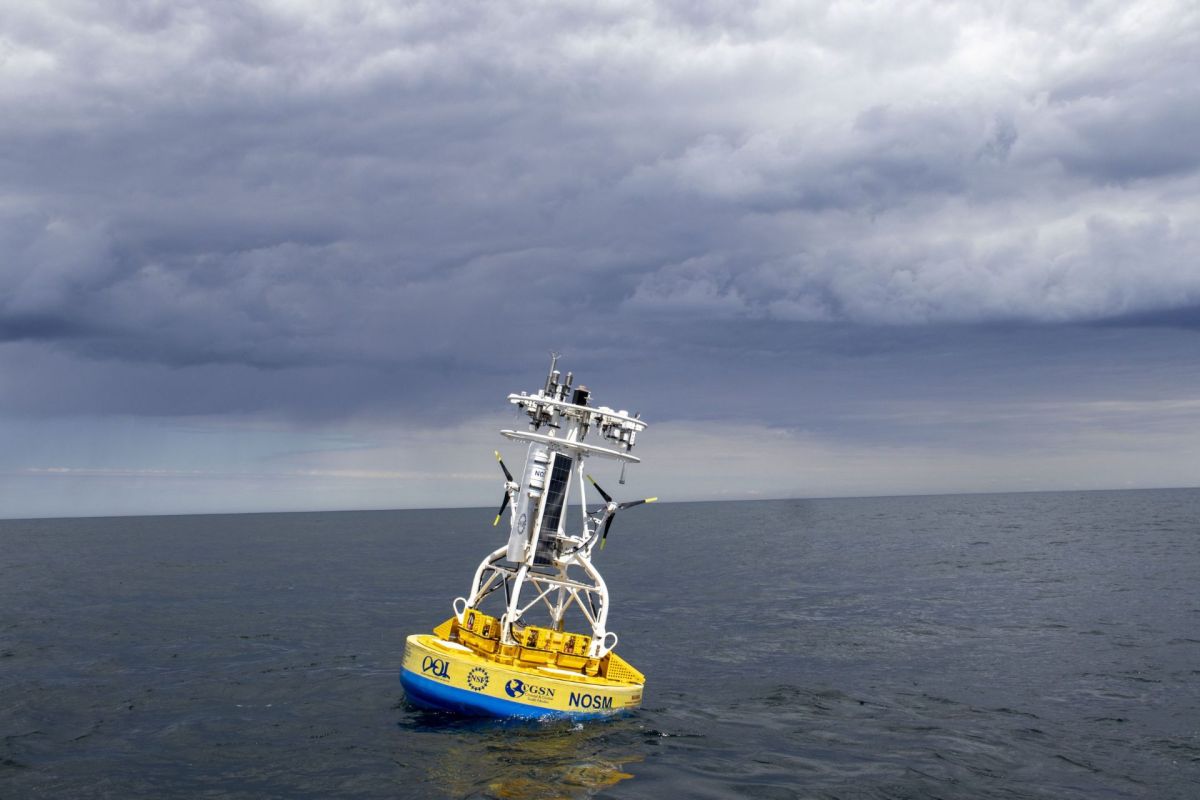
A decision by the National Science Foundation to take apart most of a prominent deep-ocean observing network years ahead of schedule has triggered online backlash from scientists and other ocean advocates.
According to USA Today, the NSF plans to retire four of the last five arrays in the Ocean Observatories Initiative by the end of summer 2027, despite it being under halfway through its 25-year tenure.
Critics say the timing is especially troubling because ocean heat has repeatedly set recent records, and they argue that communities facing hurricanes, marine heat waves, fishery disruptions, and flooding need broader monitoring, not less.
Scientists currently use the arrays to track marine heat waves, examine how the ocean affects hurricanes, and learn more about fisheries and ecosystems that coastal communities depend on for food and employment.
Those long-term climate records help scientists check models, sharpen forecasts, and warn communities before threats get worse. Researchers say removing the instruments now would create serious blind spots, just as warming oceans are making extreme weather more damaging and costly.
The network began operating in 2016 after costing more than $360 million and was built to gather long-term measurements from the ocean surface down to the seafloor. The Pacific Northwest array is already being removed, and the arrays in the Gulf of Alaska, near New England, and southeast of Greenland are scheduled to be next.
TCD Picks » Quince Spotlight
💡These best-sellers from Quince deliver affordable, sustainable luxury for all




Mark Spalding, president of The Ocean Foundation, made a case on LinkedIn for why the OOI must be protected. Spalding explained that eliminating the program would waste taxpayer dollars, since it would be "destroying capital we already paid for."
He then added that the OOI protects national security by informing "anti-submarine warfare and naval operations." Additionally, he stated that beyond killing an "irreplaceable scientific record," nixing the initiative harms coastal American communities and fisheries that depend on the data it provides.
Spalding wrote that "for six days, I've made the compelling, bipartisan case for why the Trump NSF should stop tearing out the Ocean Observatories Initiative … this is not someone else's fight in a faraway sea. It's the gauge on our own front porch … don't let them take it."

Get TCD's free newsletters for easy tips, smart advice, and a chance to earn $5,000 toward home upgrades. To see more stories like this one, change your Google preferences here.






