


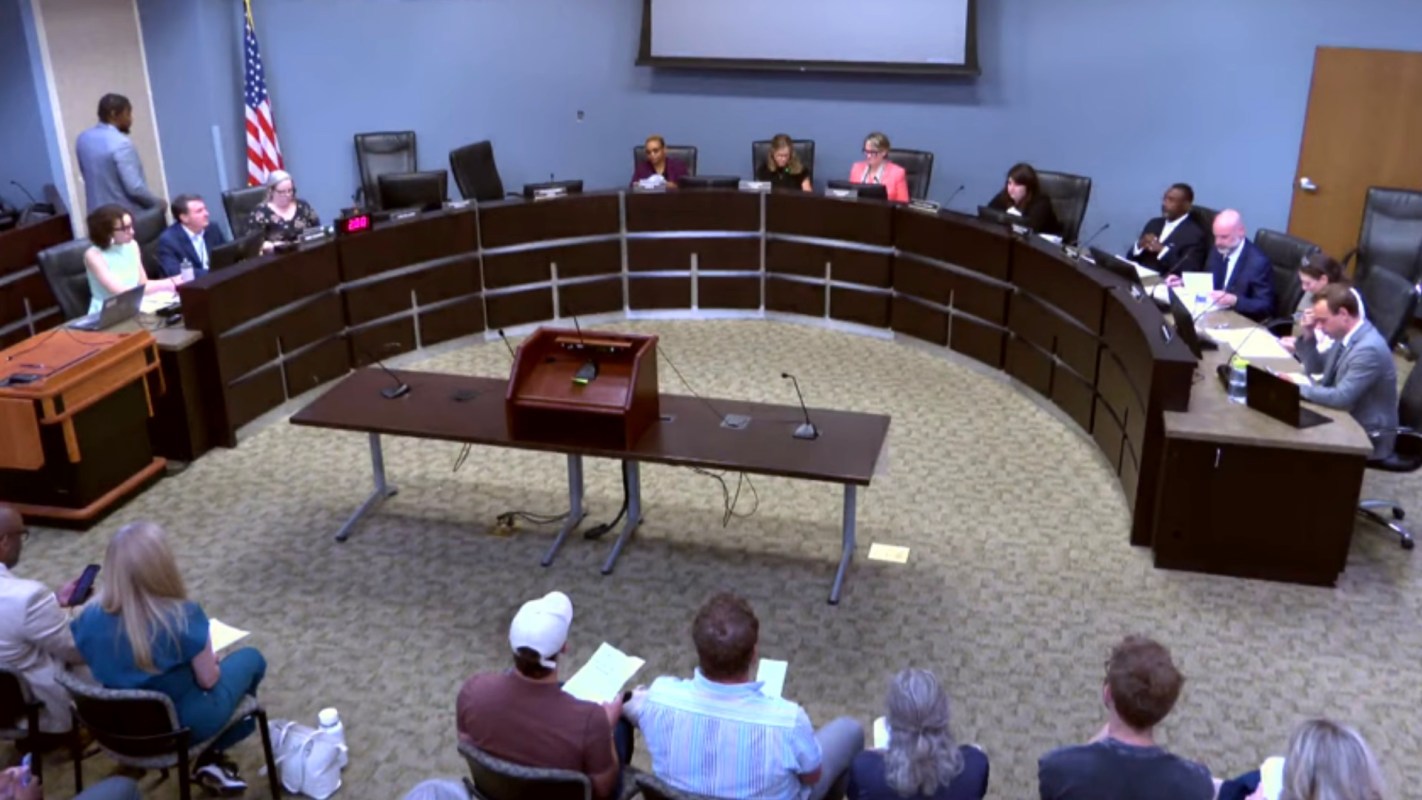
Thursday's fight over data centers in Nashville, Tennessee, ended with a forceful show of opposition after residents braved the summer heat and hours of standing.
By the time the Metropolitan Planning Commission wrapped its lengthy meeting, the packed room had settled on a clear stance. Residents do not want additional data center projects advancing without tighter limits.
What happened?
The Nashville Banner reported that more than 150 people spoke during the nearly six-hour meeting, and many waited up to five hours for a two-minute turn at the mic.
Support for a proposed zoning bill that would restrict data centers was widespread, although many residents said they want a full moratorium instead.
Two proposals drew most of the anger: a planned DC Blox data center beside the Nashville Zoo in South Nashville and another proposed for Fisk University's campus in North Nashville.
Alexandra Crawford, a South Nashville resident who waited outside because the room had already reached capacity, summed up the concerns: "Our neighborhood is for our neighbors, it's not for corporations."
TCD Picks » Quince Spotlight
💡These best-sellers from Quince deliver affordable, sustainable luxury for all




Planning commissioners delayed the zoning bill until their June 25 meeting, and there will be no more public hearings before the Metro Council takes public input on July 7.
Why does it matter?
Both sites are in communities already facing environmental burdens. South Nashville, near the zoo, and North Nashville, which the Nashville Banner described as a historically Black part of the city with several HBCUs.
Again and again, speakers described how the projects could affect everyday life, citing persistent noise, added strain on power and water systems, and harm to nearby wildlife.
One resident, Nathan, told the commission, "I'm pretty sick of Nashville getting pushed around by some of the worst interests in the country."
Data centers power cloud services and artificial intelligence tools, which can help improve medicine and science, but, at the same time, the AI boom increases electricity and water demand, which has put a strain on local grids and raised utility costs.
What's being done?
The proposed Metro bill would add data centers to local zoning policy and set restrictions intended to limit where and how they can be built.
State Rep. Justin Jones, speaking earlier this week about the Fisk proposal, said, "We want to send a clear message that this project has been mired in secrecy, lack of transparency." Metro Councilmember Sandra Sepulveda has also voiced support for the proposed zoning bill.
Doug Sloan, an attorney representing the DC Blox project, told the commission, "Not all data centers are the same. There are legacy data centers built years ago, modern cloud data centers and new AI and high-performing computing facilities. They have different operational characteristics, water demands, cooling technology, power requirements and community impacts."
After he spoke beyond his allotted time, he was loudly booed, according to the Nashville Banner.
"We should not gamble away our community's future on the promise of private companies," resident Ben Hendrick said.

Get TCD's free newsletters for easy tips, smart advice, and a chance to earn $5,000 toward home upgrades. To see more stories like this one, change your Google preferences here.






