


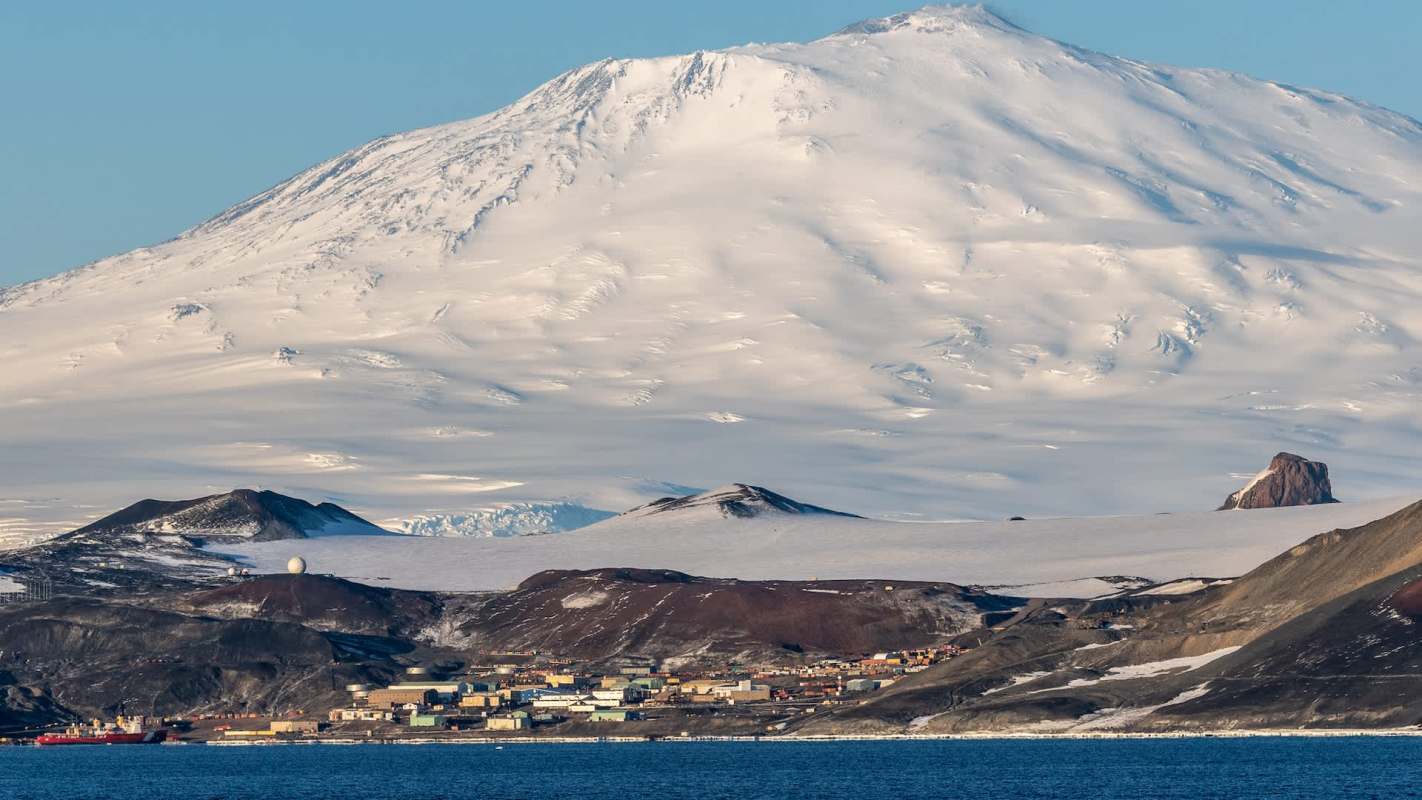
New research shows that even Antarctica's McMurdo Dry Valleys, a stark, remote landscape long regarded as too far removed for pollution to reach, are not untouched by nanoplastics.
What happened?
Mainland Antarctic soil has now yielded its first confirmed nanoplastics. In work led by Dr. Nhu Phan, the study's lead author and a doctoral researcher at Lancaster University, scientists found the particles at more than half of the topsoil locations they sampled and also detected traces deeper in the ground, according to The Brighter Side of News.
Of the 13 topsoil sites, 54% showed nanoplastics above the testing threshold, with a median concentration of 26.6 nanograms per gram and a highest reading of 295 nanograms per gram.
Nanoplastics also turned up in two of the four deeper soil samples taken from below 7.9 inches (20 centimeters). Across the samples, researchers identified polypropylene, polyethylene, polyethylene terephthalate, polystyrene, polyvinyl chloride, and tire wear particles.
"This evidence shows that soils in one of Earth's most pristine environments are not exempt from plastic contamination," Phan said.
Why does it matter?
Despite their barren appearance, the McMurdo Dry Valleys contain soil communities of bacteria, fungi, cyanobacteria, and other microscopic life that help sustain a fragile Antarctic food web. With this discovery, Antarctic soil joins snow, glaciers, sea ice, seawater, and freshwater systems on the region's growing list of contaminated environments, following earlier findings of microplastics in the bodies of Antarctic insects.
TCD Picks » Quince Spotlight
💡These best-sellers from Quince deliver affordable, sustainable luxury for all




Researchers still do not know exactly how the particles got there. They pointed to several possible sources, including nearby research activity, wastewater, equipment, clothing, tire wear, older waste sites, and plastic carried over long distances through the atmosphere before settling into snow, ice, and soil.
Antarctic invertebrates usually grow slowly and may have only a limited ability to handle chemical stress. Nanoplastics' tiny size could also help them move more easily through the environment and transport other pollutants along with them.
The particles' presence in one of the planet's most isolated places suggests ultrafine plastics can travel widely through global air, water, and food systems.
What's being done?
The new research gives scientists a starting point for monitoring plastic buildup over time in Antarctic land environments. It also hands future studies real-world concentration data and polymer types to test how nanoplastics affect soil life and the food chain.
To detect the pollution, the team used a highly sensitive method called thermal desorption-proton transfer reaction-mass spectrometry, paired with a soil extraction technique developed for this project. That allowed them to identify plastics at extremely low levels. Even with some uncertainty, the work establishes a baseline.
Researchers said the next steps include repeated sampling of soil, snow, ice, and air, along with stronger transport modeling to better distinguish pollution from local Antarctic activity and material carried from other regions.
The results are also likely to intensify calls for tighter waste handling at Antarctic stations and broader efforts to curb plastic pollution.
As Professor Crispin Halsall, a co-author at Lancaster University, put it, "Our findings raise concerns regarding the global reach of plastic contamination." Phan added, "These findings highlight the urgent need to study plastic fate, transport and ecological impacts in polar regions."

Get TCD's free newsletters for easy tips, smart advice, and a chance to earn $5,000 toward home upgrades. To see more stories like this one, change your Google preferences here.






