


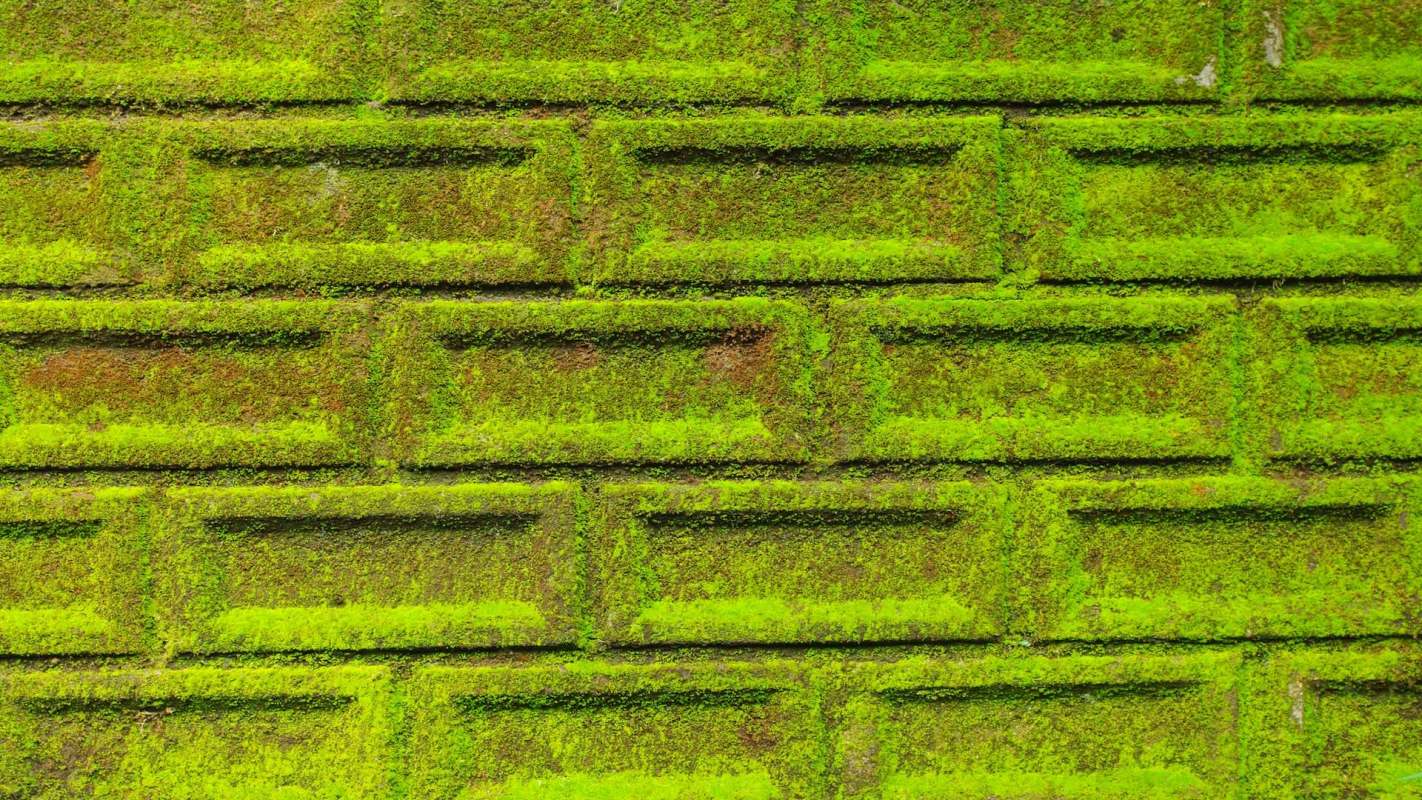
Can a concrete wall help cool a city instead of making it hotter?
A viral video suggests it can, by turning gray building exteriors into living moss surfaces that may help clean the air, lower temperatures, and make urban spaces feel less harsh.
Here's what to know
In a recent TikTok video, Going Green Media (@goinggreenmedia) highlighted Dutch company Respyre's moss-growing building material.
@goinggreenmedia MOSS CONCRETE 🌱 Comment on this video if you'd like to see more buildings made green! This moss concrete cleans our air, and reduces city temperatures. Dutch company Respyre apply a bioreceptive layer of recycled concrete to the surface, followed by a coating of moss spores. After a few weeks the moss grows and spreads across the surface. These green walls don't require maintenance and the moss protects the structure underneath from weathering and does not make the building damp. Our cities are getting hotter each year, and grey concrete is trapping heat and pollutants. So solutions like this could make a huge impact!
♬ Sunset Circuit - Ink Realm
Instead of leaving a facade plain and gray, the material is meant to green over quickly. As the creators described, Respyre applies "a bioreceptive layer of recycled concrete to the surface, followed by a coating of moss spores," and after a few weeks, the growth starts to spread across the wall. In the video's words, "This moss concrete cleans our air, and reduces city temperatures."
The video also claimed the setup avoids the constant upkeep that is a common drawback of green facades. According to Going Green Media, "The green walls don't require maintenance, and the moss protects the structure underneath from weathering and does not make the building damp."
More background
"Our cities are getting hotter each year, and grey concrete is trapping heat and pollutants. So solutions like this could make a huge impact!" Going Green Media said. One commenter wrote, "And it looks good instead of depressing grey."
TCD Picks » Quince Spotlight
💡These best-sellers from Quince deliver affordable, sustainable luxury for all




Commenters also raised questions about durability. One asked, "genuine question, would the moss eventually weaken the concrete?" The video suggested the opposite, with Going Green Media saying it protects the underlying structure from the elements rather than harming it.
Respyre uses a recycled concrete base designed to support moss growth on building surfaces. Rather than treating a facade as dead space, the company turns it into something living.
One commenter wrote, "If every city had this I'd like cities so much more."
Where can I learn more?
Moss-covered walls are one example of how concrete and other building materials are being reworked to reduce pollution and climate impacts. These stories explore air-cleaning concrete, lower-carbon cement, and recycled mixes being tested for buildings and industry.
• CarbonCure is helping manufacturers turn a green concrete formula into a lower-emissions industrial product.
• In Australia, researchers turned old waste streams into new concrete with lower impact.
• Scientists found palm ash and jute fibers could form a viable pathway for concrete.

Get TCD's free newsletters for easy tips, smart advice, and a chance to earn $5,000 toward home upgrades. To see more stories like this one, change your Google preferences here.






