


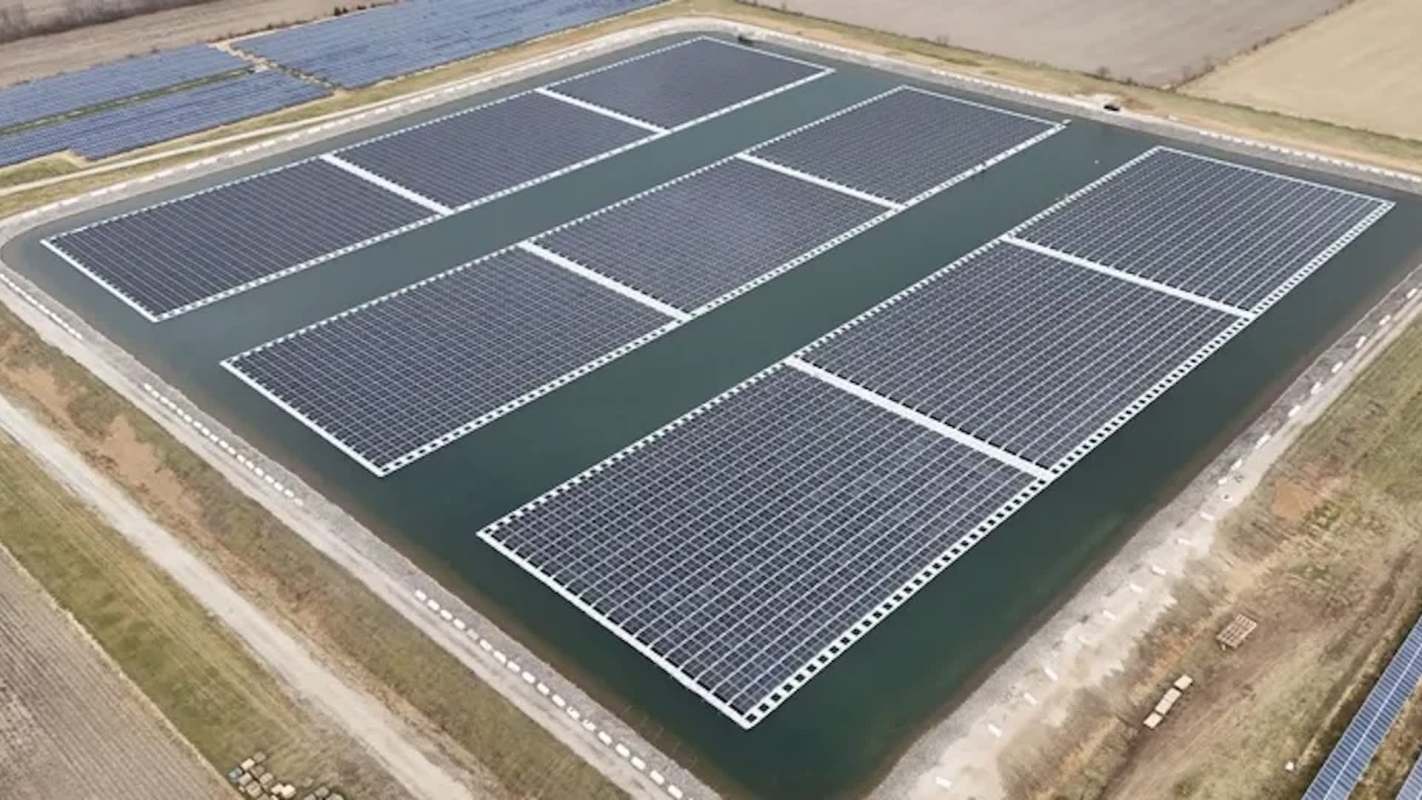
Monroeville, Ohio, has expanded solar generation without using additional cropland by placing a new array on its reservoir.
For a village of roughly 1,300 residents, 6 megawatts of new capacity is an unusually large solar presence and could offer a path other small towns may consider.
Here's what to know
Electricity is now flowing into Monroeville's local distribution grid from 9,222 panels mounted across three floating platforms on the village reservoir, according to Interesting Engineering. D3Energy says the installation is Ohio's largest floating solar project and ranks among the five biggest in the United States.
By occupying about 12 acres of reservoir surface, the project avoids the roughly 30 acres a comparable ground-mounted system would have needed. That tradeoff is notable in Ohio, where a 2021 law has allowed about one-third of the state's 88 counties to restrict large solar developments.
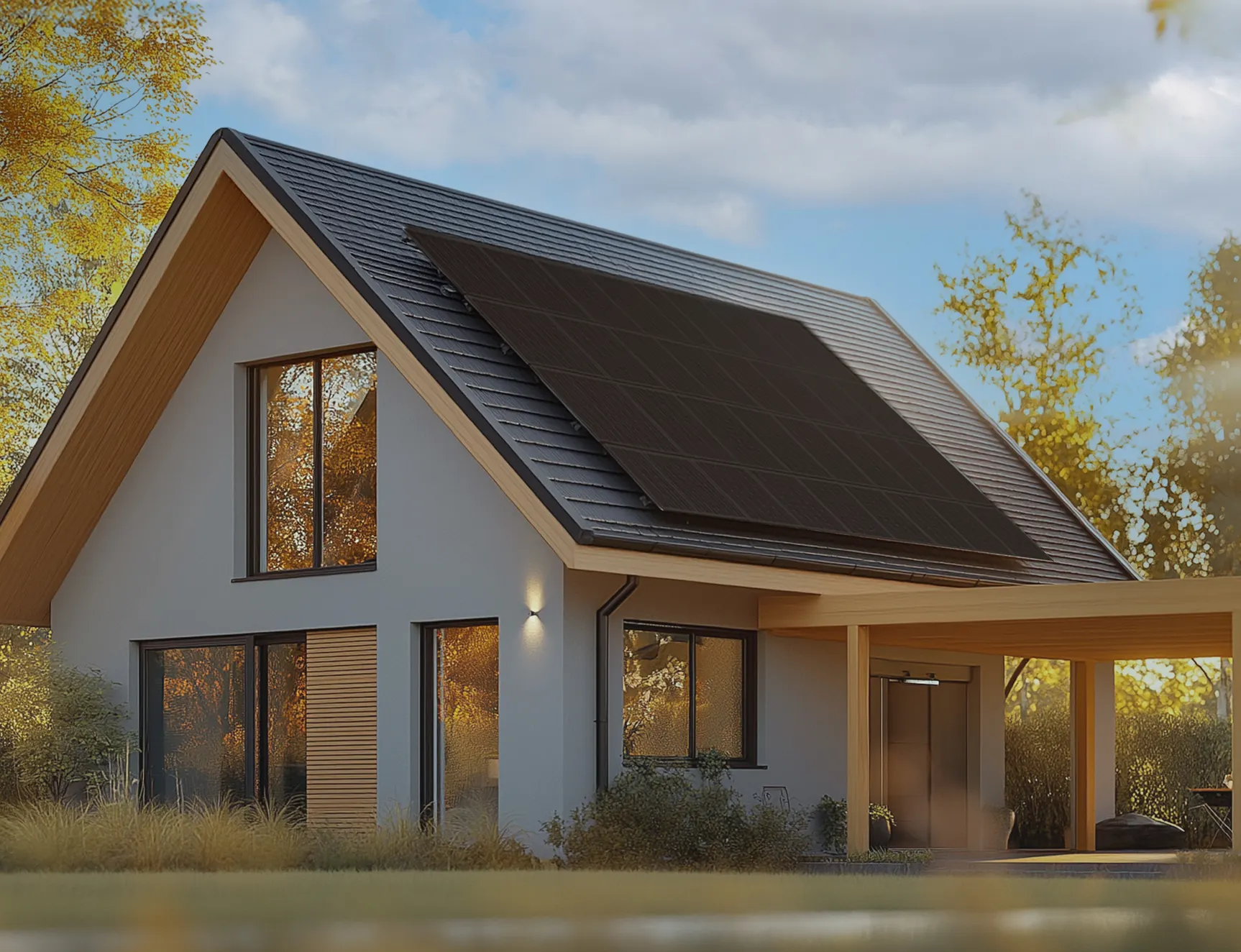
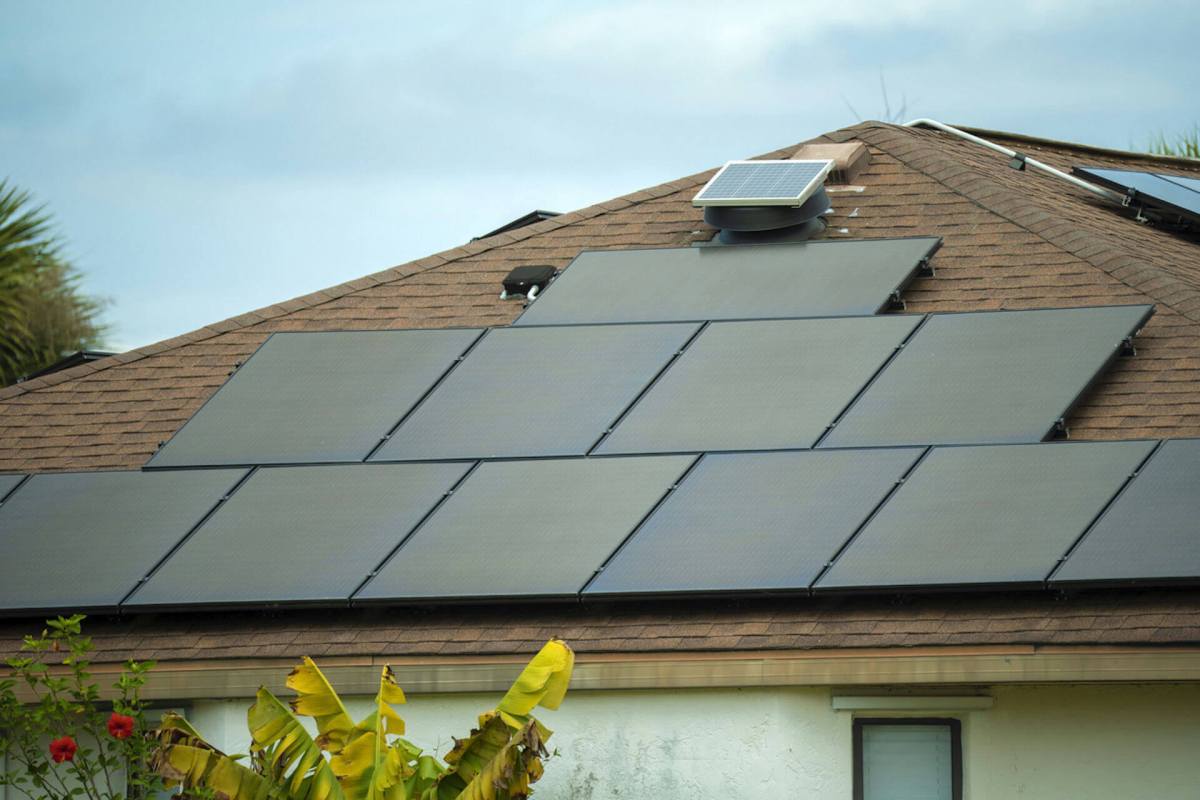
For households, going solar is one of the best ways to save money on home energy. If you're considering rooftop panels, you can use EnergySage to get free solar installation estimates and compare quotes.
More background
The floating array builds on Monroeville's earlier solar investment: the village has operated a 4-megawatt ground-mounted facility since 2017. With both projects in place, Monroeville now has about 13 times Ohio's per-person solar capacity.
Other floating solar systems D3Energy has built in Ohio include projects for Del-Co Water in Delaware and for the City of Lima at Twin Lakes Reservoir, bringing the state's active floating-solar capacity to nearly 10 megawatts.
What's being done?
Gardner Capital owns the Monroeville system and sells its electricity to the village, while D3Energy developed the project and Ohio-based Appalachian Renewable Power handled the contracting. D3Energy said the installation is its third floating solar project in Ohio.
Save $10,000 on solar panels without even sharing your phone number Want to go solar but not sure who to trust? EnergySage has your back with free and transparent quotes from fully vetted providers that can help you save as much as $10k on installation. To get started, just answer a few questions about your home — no phone number required. Within a day or two, EnergySage will email you the best local options for your needs, and their expert advisers can help you compare quotes and pick a winner. |

For homeowners who want solar panels to work for them, tools that simplify the solar-buying process can make a major difference. EnergySage's solar map shows the average cost of a home solar panel system by state, along with details on solar incentives in each state. Together, those resources can help homeowners get the best price for rooftop solar panels and access available incentives.
Using EnergySage is especially valuable because it can help the average person save up to $10,000 on solar purchases and installations. Adding battery storage to a solar setup is one of the best ways to protect your home during outages, save on energy costs, and go off-grid. Homeowners can explore EnergySage for information about home battery storage options, including competitive installation estimates.
"Solar needs space, and in farm country there's no such thing as spare ground," said Stetson Tchividjian, managing director of D3Energy. "Monroeville had water sitting right there doing one job. Now it does two."
Where can I learn more?
Monroeville's reservoir is part of a much broader push into floating solar. These stories look at similar projects and research on how water-based arrays can expand solar power while conserving land.
More From EnergySage
💡Go deep on the latest news and trends shaping the residential solar landscape

• Florida is turning highway ponds into floating solar, with room to power 200,000 homes.
• In Oregon, the state's first floating solar array will power 60 homes and save water.
• Scientists say floating solar is fast becoming cost-competitive across the African continent's vast reservoirs.

Get TCD's free newsletters for easy tips, smart advice, and a chance to earn $5,000 toward home upgrades. To see more stories like this one, change your Google preferences here.






