


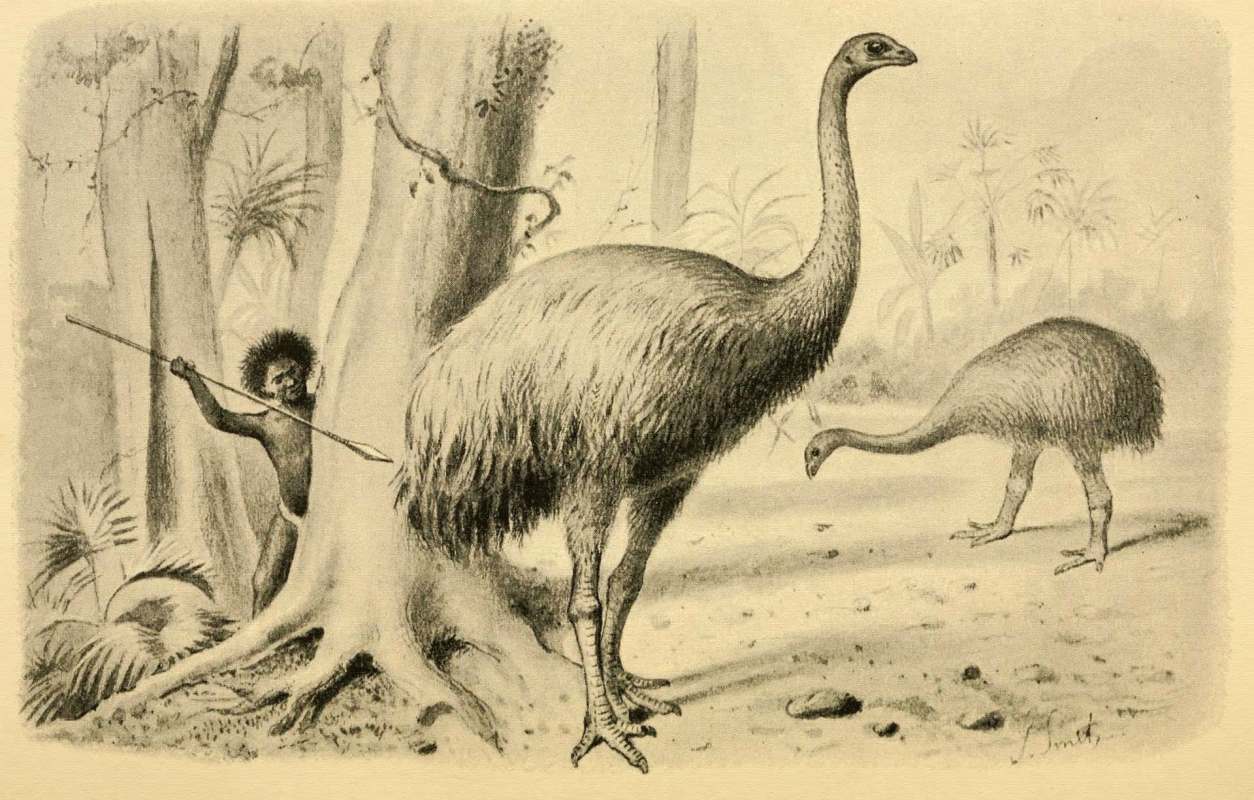
Colossal Biosciences said its push to revive the extinct moa could advance bird conservation. But scientists in New Zealand believe the company may be promising more than genetics can deliver — and might produce something closer to a stand-in than a return of the species.
Scrutiny increased when Colossal announced it had hatched 26 artificial eggs and described that milestone as important to efforts to bring back extinct birds.
Here's what to know
According to Radio New Zealand, the Texas-based company is positioning its moa program as a conservation project. Colossal Biosciences said the research could reveal more about extinct ecosystems and build tools to aid bird species at risk of vanishing.
Andrew Pask, chief biology officer at Colossal Biosciences, said the artificial egg technology "really opens up the possibilities of ways that we can manipulate bird development for conservation outcomes."
Associate professor Nic Rawlence, director of the University of Otago's paleogenetics department, argued that funding should go to endangered animals that are still alive rather than to de-extinction efforts and said Colossal was "wasting millions of dollars making a genetically modified emu," as RNZ put it.
The company said it was sequencing the moa genome and had not chosen the closest living surrogate species, with South America's tinamou and Australia's emu under consideration.
TCD Picks » Quince Spotlight
💡These best-sellers from Quince deliver affordable, sustainable luxury for all




More background
Because many people in Aotearoa — the Māori word for New Zealand — regard the moa as a taonga, the project carries cultural as well as scientific significance. Colossal has called the effort Māori-led, but Indigenous researchers said consultation has not extended widely enough.
"We didn't ask to have the moa back. Whose decision was that?" professor Amanda Black of Lincoln University told RNZ.
She also raised concerns about ownership, saying: "The access and benefit sharing again — that's our genome, why have you got it?"
For Black, the dispute centers on sovereignty and who controls genetic information. She described it as a "very new take on an extremely old theme, which is colonial practices and sovereignty," and connected it to wider debates over who gets to access Indigenous genetic material, study it, and gain from it, as RNZ noted.
Rawlence said that even if scientists managed to create a bird resembling a moa, New Zealand's biosecurity laws would require strict quarantine before a field trial or release.
What's being done?
Colossal said genome engineering would happen in Dallas, while assisted reproductive technology would take place in New Zealand, RNZ reported. Pask said the company was still working through the genome, surrogate species, and timeline.
The company also said the first major benefits may come from the tools created during the project rather than from de-extinction itself. If artificial eggs and embryo-manipulation methods can be adapted for threatened native birds, they could bolster conservation efforts.
In a statement cited by RNZ, Colossal said it recognized consultation was "not a box to check once" and that it was staying in close contact with its Ngāi Tahu partners as the project moves forward.
Opponents said those resources would be better directed toward species that can be saved.
"Ethically is that what people want to really support and let companies come into New Zealand and do?" Black said.
Where can I learn more?
Similar stories show how ambitious science projects are often pitched as answers to urgent health and environmental problems — useful context when weighing claims about what advanced research can deliver.
• In biomedical labs, protein language models are accelerating the search for new treatments.
• In India, engineers built a solar-powered desalination system to expand access to fresh water.
• Researchers created a prototype generator that turns carbon dioxide into usable electricity.
They also illustrate how breakthrough narratives can raise expectations around emerging technology. Keeping that in mind may help when measuring de-extinction promises against more immediate scientific priorities.

Get TCD's free newsletters for easy tips, smart advice, and a chance to earn $5,000 toward home upgrades. To see more stories like this one, change your Google preferences here.






