


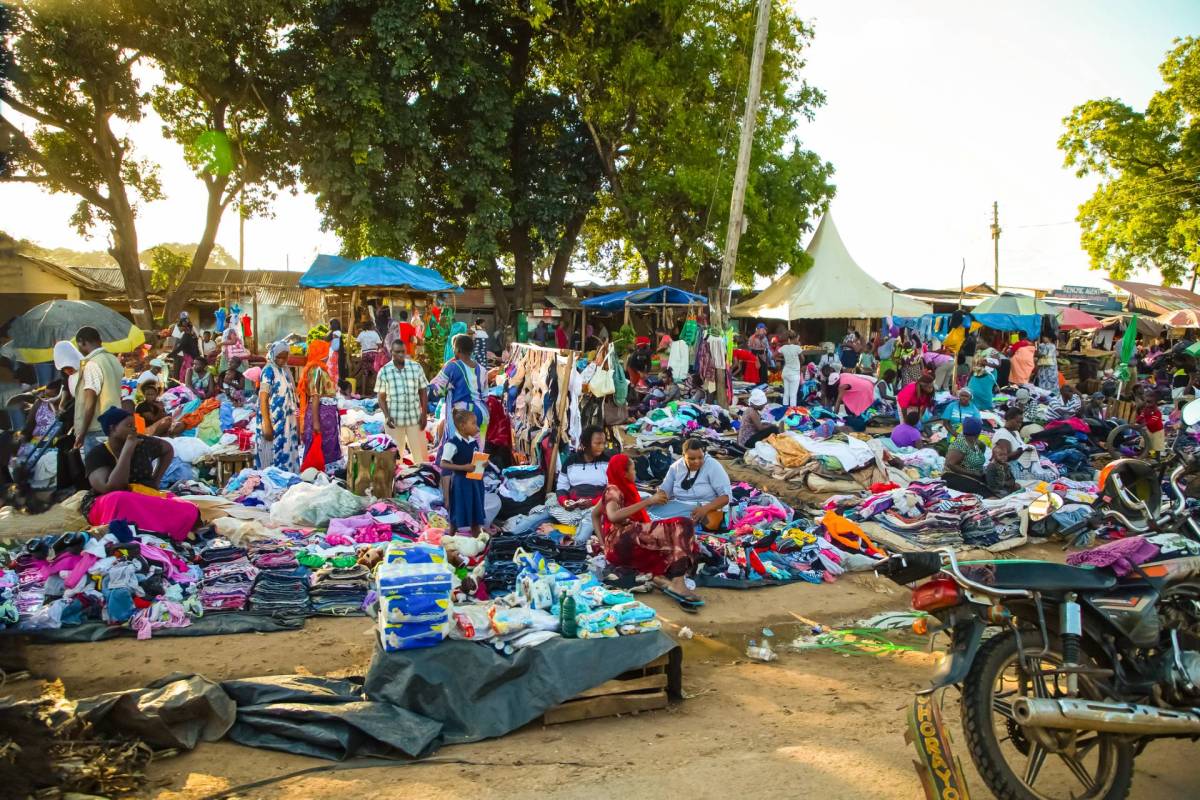
Kenya's massive secondhand clothing market, known as mitumba, supplies textiles to millions of people and supports two million livelihoods. But specialists warn that some of the garments entering the country are effectively waste, creating a public health concern.
Here's what to know
In a letter published in Science, researchers highlighted the East African country as a place where imported textile waste can outstrip sorting capacity, leading discarded clothes to be dumped or burned, according to Mongabay.
The researchers said those waste piles may harbor harmful bacteria, including Escherichia — which includes E. coli — and Klebsiella.
Illnesses associated with these microbes include diarrhea, urinary tract infections, pneumonia, bloodstream infections, and, in the most severe cases, sepsis.
Africa receives more than 4.5 billion secondhand garments each year, and a 2023 report found that Nairobi's largest dumpsite takes in 86 metric tons of textile waste daily, per Mongabay.
Bales labeled "used clothing" do not always contain items that can be reused. When damaged or low-quality garments are unsellable, the importing countries are left to deal with the waste generated by the overproductive global fashion industry.
TCD Picks » Quince Spotlight
💡These best-sellers from Quince deliver affordable, sustainable luxury for all




More background
Researchers also pointed to evidence that discarded textiles can carry disease-causing microorganisms and antimicrobial-resistant genes, adding to the danger for people who live or work near dumpsites, Mongabay reported.
As synthetic fabrics deteriorate, they release microplastics into waterways and the air. Those particles can carry toxic chemicals and may also help pathogens move through the environment, worsening pollution in communities that already have the fewest resources.
Fast fashion is another driver of the problem, as it features cheap, disposable clothing. The model has been associated with severe water pollution, air pollution from manufacturing and waste burning, and labor systems that often rely on exploitation.
Because poorly made clothes wear out quickly, consumers have to replace them often, increasing what they spend over time.
Even so, mitumba remains vital to Kenya's economy, while clothing waste from wealthier nations pushes environmental and health costs onto communities.
What's being done?
The authors of the letter called for stronger enforcement of international environmental laws, stricter screening of clothing quality before export, and more investment in waste management and recycling systems in importing countries, as Mongabay detailed.
They also called for a tighter global definition of "used goods," which could reduce loopholes that let waste be labeled as reusable clothing and shipped overseas.
Kenya's Sustainable Waste Management Act looks to reduce waste, promote recycling, and extend producer responsibility. Even so, the researchers said importing nations should not be expected to handle the problem by themselves, per Mongabay.
Akshay Shah, the outgoing board chair of the Kenya Extended Producer Responsibility Organization, proposed that textile importers set up their own extended producer responsibility mechanism.
"The retailer that ultimately benefits from the textile to sell to consumers will need to be liable to pay the EPR fee," Shah said.
Those funds could support the waste pickers and recyclers handling the discarded material.
"It is critical to consider the potential risks, including bacterial contamination," Ebenezer Amadi, a senior program manager at Bopinc, told Mongabay in a WhatsApp conversation. "However, this can be addressed through inspection and appropriate controls at the point of entry."

Get TCD's free newsletters for easy tips, smart advice, and a chance to earn $5,000 toward home upgrades. To see more stories like this one, change your Google preferences here.






