


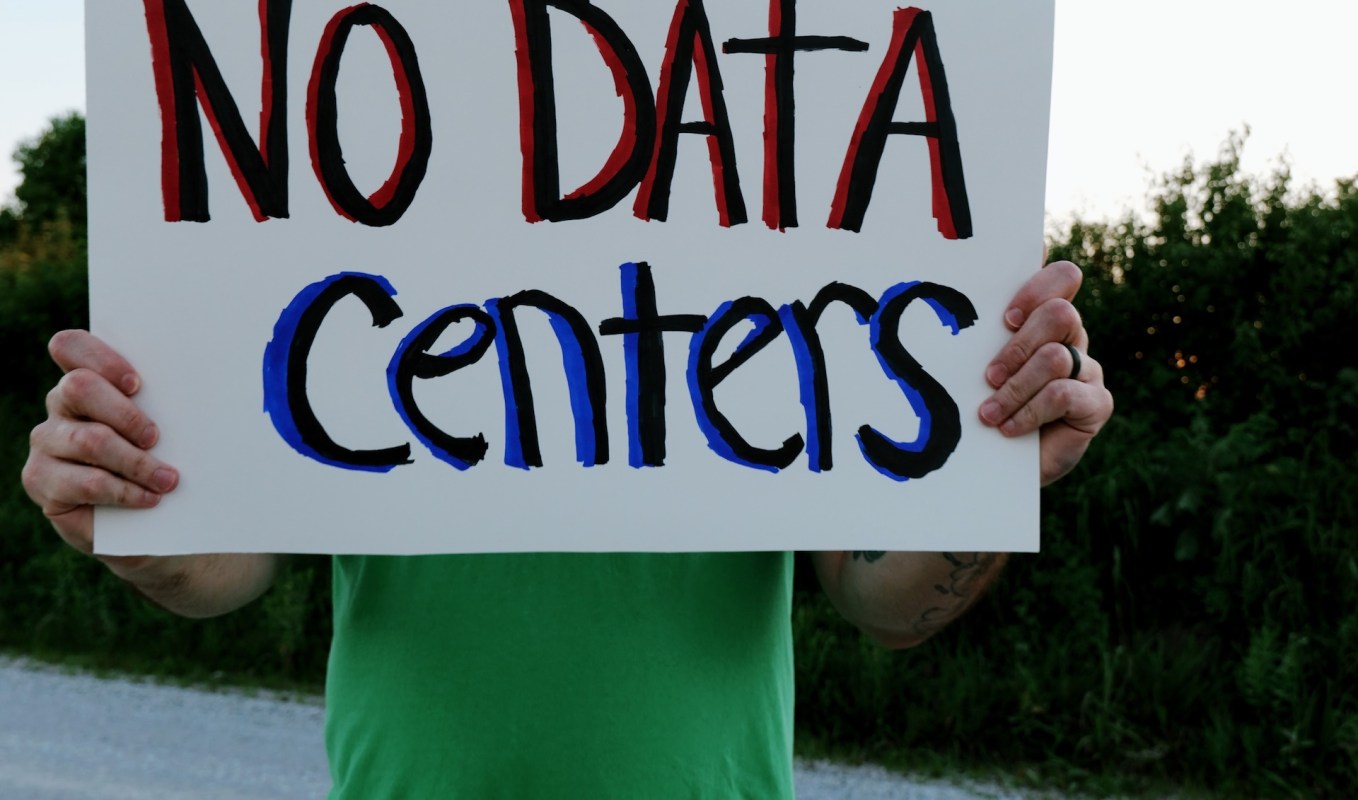
Residents no longer want to sit on the sidelines after believing major decisions were being made against their interests. In Missouri, many residents are organizing around data center proposals that could reshape their towns.
The reaction has taken several forms across the state, from overflowing public meetings to recall efforts and a 12-month moratorium, as neighbors become deeply involved in local politics.
Here's what to know
A 10-hour overnight meeting at a high school in Union, a March 23 recall-petition drive in Festus, and a one-year moratorium in Pacific all point to the intensity of the debate, according to Chronicle Online. In Pacific, the moratorium followed opposition to a proposed 500-acre data center near Crooked Creek Farm. In Festus, residents lined up to sign recall petitions targeting the mayor and several city council members.
As proposals known as Project Green and Project Butterfly move forward, opposition has surfaced in both urban and rural areas. It seems that distrust of data centers and the officials who approve them has brought together people of differing backgrounds in a way nothing else could.
Residents say massive developments should not advance without clearer respect for the communities around them. To fill what they see as information gaps left by developers and elected officials, they have spent long hours in meetings and circulated research through Facebook groups, text threads, and Dropbox folders.
An unsigned letter delivered along Sugar Lake Road summed up that feeling: "Please do your homework on what these data centers bring to the area."
TCD Picks » Quince Spotlight
💡These best-sellers from Quince deliver affordable, sustainable luxury for all




More background
Rather than remaining a series of isolated objections, the response has grown into organized action in town after town. People are crowding public meetings, celebrating project delays with pizza parties, and building campaigns around local land-use disputes.
At Pacific's Jan. 27 special meeting, resident Keith Ketcherside, whose property borders the proposed site, was among roughly three dozen residents who challenged officials. His remarks echoed the frustration of others who live closest to the developments.
For many residents, the issue is bigger than one structure. They are asking what it means to place a huge industrial-style project near homes, farms, and local roads when the public does not feel fully informed.
That dynamic can erode trust in local government.
Missouri's disputes also reflect a national strain. Even in places open to economic development, residents are less willing to accept vague assurances or opaque decision-making when so much is at stake in their neighborhoods.
What's being done?
Communities are using several strategies to slow or contest the projects. In Pacific, sustained public pressure helped produce a 12-month moratorium, giving residents more time to evaluate possible impacts before additional data center proposals can advance.
Other places have taken a more confrontational route. In Festus, recall petitions showed that some residents want local leaders judged on how they have managed these proposals, while Union's marathon public meetings demonstrated a determination to keep asking questions on the record.
The organizing itself is becoming more grassroots and methodical. Neighbors are sharing research, comparing notes, and gathering in person over coffee, at potlucks, and during local events.
Ketcherside put it this way to aldermen: "Many other things need to be brought to light. I don't understand the potential upside to the community."
Where can I learn more?
Missouri's fights over data center proposals are part of a nationwide pattern. The coverage here tracks how moratoriums, election pressure, concerns about secrecy, and water use are shaping local politics as residents push for their voices to be heard.
• Across Missouri, questions over secrecy and water use turned data centers into a GOP primary issue.
• From Utah to Georgia, communities demanded moratoriums when officials moved faster than neighbors could accept.
• In town after town, local leaders paid at the ballot box for backing data centers.
Across these fights, the same issues keep surfacing: trust, transparency, and the sense that major projects are moving faster than public buy-in. That helps explain why the backlash is spreading rapidly across the nation.

Get TCD's free newsletters for easy tips, smart advice, and a chance to earn $5,000 toward home upgrades. To see more stories like this one, change your Google preferences here.






