


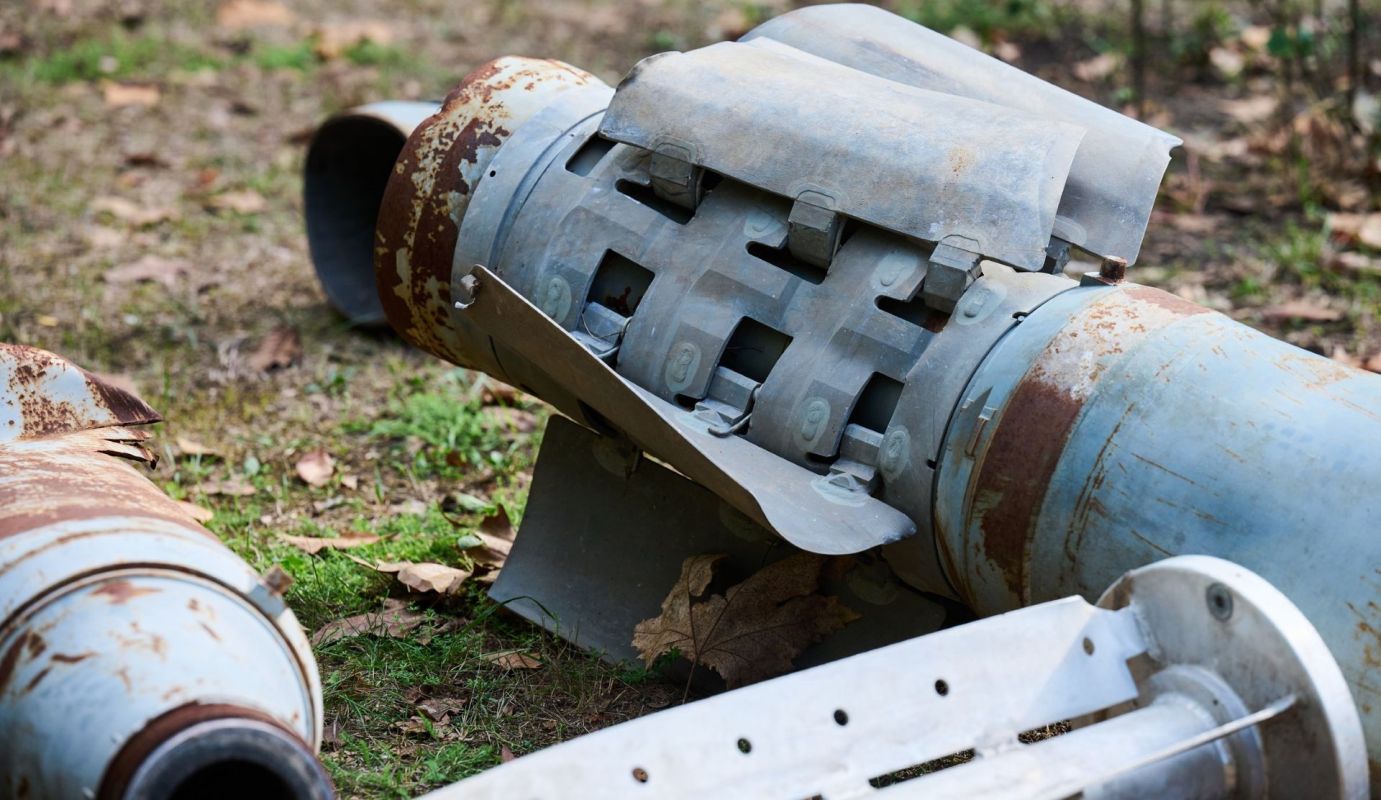
Suspected rocket debris was reportedly found in two very different places on populated land, a Minnesota cornfield and a palm-oil plantation in Indonesian Borneo.
Nobody was hurt in either incident, but the cases show how a risk usually tracked through orbital data can suddenly become a local problem on the ground.
Here's what to know
One report came from Scott Township in Minnesota, where the Stevens County Sheriff's Office said it found a metallic object about 11 feet long. The other came from near Sampit in Indonesian Borneo, where a loud boom was followed by reports of large, torn metal fragments. In both locations, authorities suspected the material was debris from rockets reentering the atmosphere.
In Minnesota, the sheriff's office described the recovered item as "presumably a space object," Gadget Review reported. State and federal agencies joined the investigation, and the object was removed from the field even though its origin had not been officially confirmed.
Reporting and expert speculation also suggested the Minnesota object was part of a Chinese Zhuque-2E upper stage, although no official source confirmed that identification in the available coverage.
Orbital data also shaped Indonesia's assessment, according to Gadget Review. Thomas Djamaluddin, a senior researcher at Indonesia's National Research and Innovation Agency, said the data showed rocket remnants had passed over the area. Separately, the International Astronomy Center said its analysis linked the Borneo debris to a rocket launched from China on Oct. 14 by Chinese private launch company Landspace, but that attribution has not been confirmed by the company or by official Chinese authorities.
TCD Picks » Quince Spotlight
💡These best-sellers from Quince deliver affordable, sustainable luxury for all




More background
For people near the discovery sites, the issue stopped being an abstract orbital-environment concern and became a practical problem involving debris found in ordinary settings.
Uncontrolled reentry happens when hardware returns to Earth without a planned, targeted splash zone. Much of that material burns up, and most of what survives falls into the open ocean or unpopulated areas, which is why confirmed injuries remain rare.
According to the European Space Agency's 2025 space-environment assessment, approximately 1,200 intact objects reentered that year, Gadget Review noted, raising concerns that a farm, plantation, or town could become an unexpected debris recovery site.
It also creates an accountability problem, as local law enforcement, national research agencies, astronomy organizations, and outside analysts may all be pulled in before anyone can identify the object, trace who made it, and determine who is responsible for removing it.
What's being done?
According to the ESA, controlled rocket-body reentries exceeded uncontrolled ones for the second consecutive year, suggesting safer disposal practices are becoming more common.
Minnesota's case also showed the current response chain in action. The Stevens County Sheriff's Office first reported the object, then state and federal agencies became involved before the debris was removed, while officials continued trying to determine its source.
In Indonesia, researchers and astronomy groups helped reconstruct what may have happened by comparing eyewitness accounts with orbital data. That kind of cross-border coordination can help identify debris even when launch providers have not publicly acknowledged an event.
Where can I learn more?
For a wider look at the issue, these articles examine what happens when space hardware falls back to Earth and debris keeps building up in orbit.
• SpaceX faced backlash as fiery satellites plummeted to Earth, sharpening fears about falling debris.
• Scientists warned the growing problem in orbit is becoming harder to reverse around Earth.
• Airbus and other companies call a crucial step forward necessary to curb dangerous debris.

Get TCD's free newsletters for easy tips, smart advice, and a chance to earn $5,000 toward home upgrades. To see more stories like this one, change your Google preferences here.






