


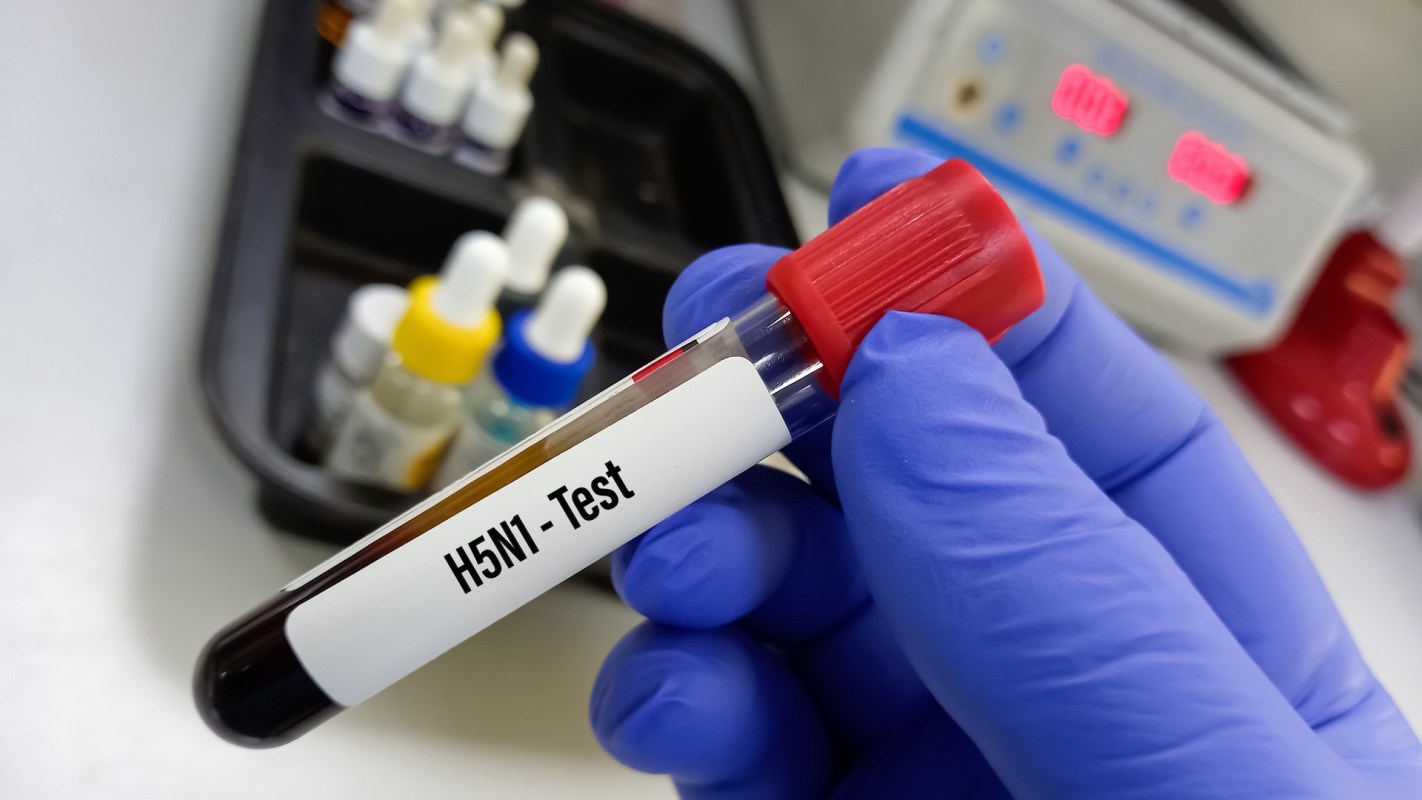
Earlier this month, authorities began investigating what could be Australia's first mainland H5N1 bird flu case.
The presence of the virus could have implications not only for wildlife but also for farming, food systems, and species already under pressure.
What happened?
According to Reuters, officials said Friday that a positive avian influenza result in a migratory seabird sparked an investigation.
The infected brown skua was discovered in Western Australia's Cape Le Grand National Park. At the time, state agriculture minister Jackie Jarvis said more testing was needed to determine whether the virus is the highly pathogenic H5N1 strain.
The case would be the first detection on mainland Australia of a virus that has been spreading through wild bird and mammal populations since 2021. Overseas, it has killed millions of animals, turning up in poultry flocks, dairy farms, and even among farmworkers.
Until now, Australia had remained the last continent without a confirmed mainland case of the deadly strain. However, H5 was identified on Heard Island, an Australian sub-Antarctic territory, in late 2025.
TCD Picks » Quince Spotlight
💡These best-sellers from Quince deliver affordable, sustainable luxury for all




The country has been preparing for a mainland arrival by strengthening farm biosecurity, testing shorebirds, vaccinating vulnerable species, and rehearsing response plans.
Why does it matter?
When bird flu reaches new regions, it can disrupt poultry production, drive up costs for farmers, and place added pressure on already strained food systems.
Australia is home to species found nowhere else, and an outbreak among wild birds or marine animals could undo years of recovery work. It could also affect local ecosystems, tourism, and communities that depend on healthy coastlines and biodiversity.
Wildlife disease outbreaks can also complicate efforts to protect threatened animals already facing habitat loss and climate-related stress. Similar crises have shown how quickly illness can spread through interconnected ecosystems, especially when migratory species are involved.
What are people saying?
"We are taking the suspected case of H5 bird flu seriously," Jarvis said, per Reuters. "If this is confirmed H5 bird incursion, there will be a rapid and coordinated national response."
Wildlife veterinarian and Adelaide University associate professor Wayne Boardman warned, "This strain of bird flu has caused huge die-offs of birds and sea mammals."
Boardman added that, if confirmed, it would pose "a huge risk to some of our more endangered shorebirds, some of our coastal raptors, and our precious, unique, endemic and endangered Australian sea lions, whose population is precarious."
On June 20, the Australian Government confirmed the presence of H5 on the continent. As things stand, "this detection does not change Australia's status as free from HPAI in poultry in accordance with international standards," according to its press release.
Still, the government is asking the public to report sick or dead animals to its Emergency Animal Disease Hotline. A second case of the virus was discovered Monday, according to Reuters.

Get TCD's free newsletters for easy tips, smart advice, and a chance to earn $5,000 toward home upgrades. To see more stories like this one, change your Google preferences here.






