


While studying ancient bird remains in China's Changma Basin, researchers kept finding broken bones packed into odd, pellet-like clumps. The pattern suggested that some of the region's earliest birds were being consumed by a predator and later regurgitated.
The regurgitated pellets — similar to those produced by modern raptors such as hawks and owls — long puzzled scientists. Now, new research points to a previously unknown species of Microraptor dinosaur as the likely cause of these distinctive remains.
What happened?
According to research reported by ScienceAlert, scientists have recovered a portion of an animal's upper arm bone that they believe belongs to a new genus and species of carnivore called the Jian changmaensis.
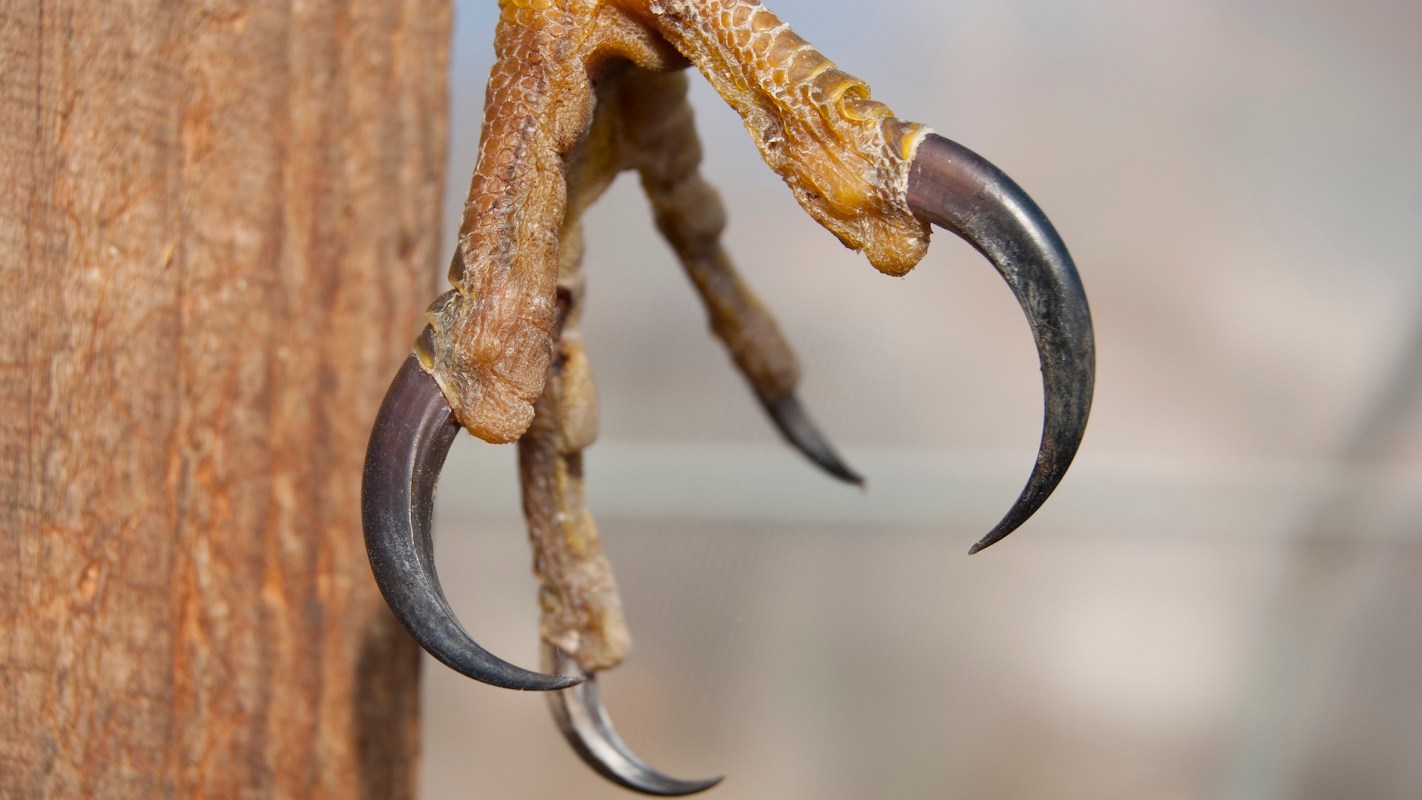
The fragment suggests the dinosaur had a wingspan of about 4 feet, similar to a barn owl's. ScienceAlert noted the animal probably carried long feathers on both its forelimbs and its legs, creating a four-winged look. It also retained a long tail, a reptilian snout rather than a beak, and curved toe claws that would have helped it prey on smaller animals.
Why does it matter?
The discovery gives scientists a much clearer picture of what life may have looked like at an early bird fossil site. With the discovery, researchers can begin piecing together a more complete ecosystem — one that included predators capable of hunting the variety of bird species in the region.
The finding also adds another detail to the story of how flight evolved. Senior author Jingmai O'Connor said: "Microraptors probably weren't capable of true, powered flight, but they could probably glide like a flying squirrel." If so, gliding may have been enough to help this predator pursue or ambush early birds that were already capable of flight.
TCD Picks » Quince Spotlight
💡These best-sellers from Quince deliver affordable, sustainable luxury for all




Researchers noted that despite being smaller than animals such as Velociraptors, Jian changmaensis was large compared to other members of the Microraptor family.
"Jian is one of the biggest Microraptor specimens that has ever been found," O'Connor said.
Matt Lamanna, a paleontologist with the Carnegie Museum of Natural History, said: "Our team has recovered more than a hundred bird fossils at Changma, but only this single non-avian dinosaur specimen. Jian provides critical new insight into the biological history of the Changma region and the ecological context of the ancestors of today's birds."

Get TCD's free newsletters for easy tips, smart advice, and a chance to earn $5,000 toward home upgrades. To see more stories like this one, change your Google preferences here.






