


You're probably inhaling microplastics every day, but that does not necessarily mean the threat is as immediate or severe as some earlier estimates have suggested.
According to a recent modeling analysis, the implications of inhaling these tiny plastic particles are not straightforward. While airborne, invisible plastic particles are certainly present, past attempts to calculate their abundance may have overcounted them.
Researchers have detected microplastics — the minuscule bits of plastic released by tires, packaging, clothing, and sea spray — nearly everywhere.
Inside buildings, everyday wear from synthetic textiles is thought to be a major contributor because these materials continually shed fibers.
Yet, as The Conversation noted, a new study published in the peer-reviewed journal Nature from earlier this year indicates that airborne concentrations could be much lower than older models suggested.
While it's obviously impossible to directly measure the countless microplastic particles in our air, scientists are now using computer models to make estimates. But estimates have varied widely, leading to uncertainty over how big a threat airborne microplastics represent.
TCD Picks » Quince Spotlight
💡These best-sellers from Quince deliver affordable, sustainable luxury for all




One earlier model suggested an annual atmospheric addition of microplastic particles of nearly 357,000 tons. Yet, in this study, when researchers checked prior assumptions against real-world measurements and recalibrated the models, their estimate dropped to about 4,960 tons per year, according to The Conversation.
That gap reflects how much remains uncertain. Scientists do not yet have firm answers on emissions from different plastic sources, the particle sizes those sources produce, or the most consistent way to sample and measure microplastics in air.
While we know these particles have the potential to cause serious health problems, we don't yet have a great understanding of their true abundance in the air.
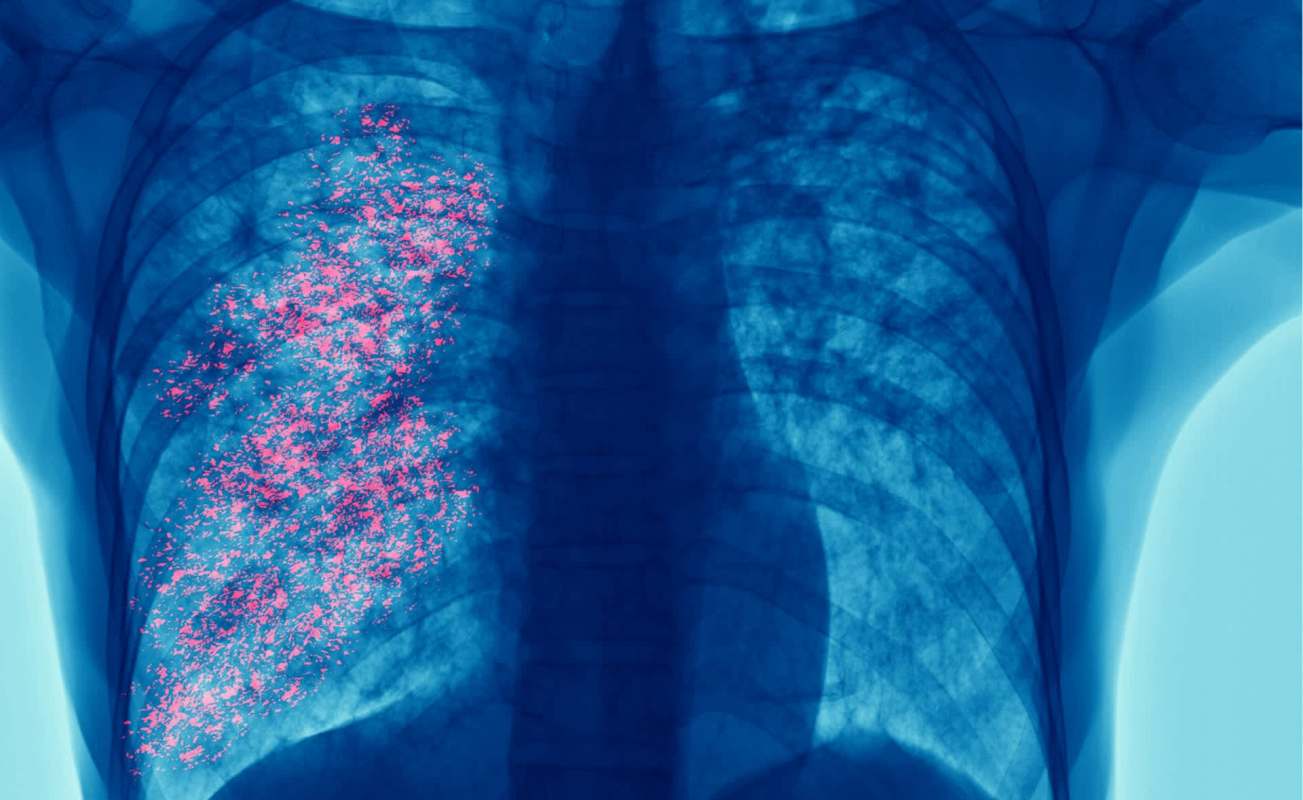
Researchers have identified microplastics throughout the human body, including in our blood and lungs. Even so, scientists cannot determine the typical amounts of airborne microplastics that people are taking in and whether they are causing illness.

Get TCD's free newsletters for easy tips, smart advice, and a chance to earn $5,000 toward home upgrades. To see more stories like this one, change your Google preferences here.






