


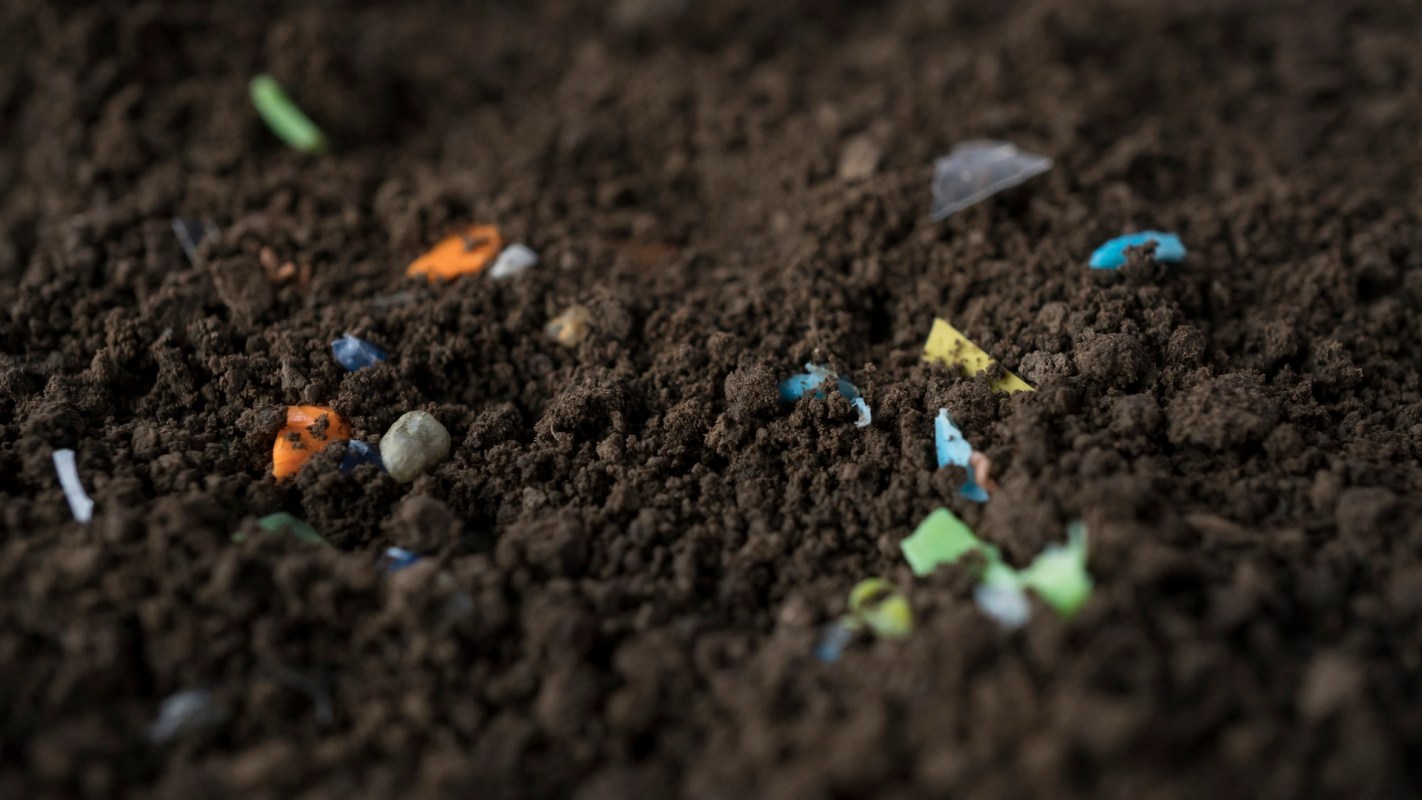
Farm manure is widely used to return nutrients to fields, but authors of a new review argued that it may also serve as a meeting point for microplastics, antibiotic residues, and the genes that let bacteria resist those drugs, according to Earth.com.
Here's what to know
Zhiping Zhu, a researcher at the Institute of Environment and Sustainable Development in Agriculture at the Chinese Academy of Agricultural Sciences, headed up the study.
The paper argued that these three contaminants in farm waste are connected closely enough that they should be addressed as a single issue.
The concern is that microplastics in manure may both collect antibiotic residues and provide a surface for dense bacterial biofilms. Together, those conditions could make the spread of resistance easier.
In a review of related studies published since 2010, the team found that farm animals receive a majority of the world's antibiotics, and that about 17% to 80% of each dose can leave the animal through urine and feces.
That means manure can contain both leftover antibiotics and bacteria that survived exposure.
TCD Picks » Quince Spotlight
💡These best-sellers from Quince deliver affordable, sustainable luxury for all




The review noted plastic particles may intensify that mix. Surveys it cited counted about 1,250 particles per 2.2 pounds (1 kilogram) of pig manure and roughly 1,890 in cattle manure, and it determined that aging can make those surfaces hold far greater amounts of certain antibiotics.
"Microplastics are not simply passive particles in livestock waste," Zhu clarified. "Their surfaces can provide places where antibiotics, bacteria and resistance genes come together, potentially creating favorable conditions for the spread of antibiotic resistance."
More background
When resistance genes spread between bacteria, infections in both animals and humans can become far harder to treat.
In the review's description, microplastics can become colonized by bacteria, which then build slimy communities called biofilms.
Because microbes are packed closely together in those films, genes can transfer more readily, including between species, and the studies cited reported resistance genes at about seven times the levels seen in the surrounding environment.
The authors also stressed that further research is necessary to fully understand these interactions.
They held that direct proof for a stronger combined effect involving microplastics, antibiotics, and resistance genes is still limited, and that results can differ with particle size, weathering, and compost conditions, especially since many studies examine only one pollutant or a pair.
Once manure is spread as fertilizer, concerns can extend beyond the farm itself.
Rain and drainage may move contaminants into soil, ditches, and groundwater, giving the issue wider environmental and public health implications.
What's being done?
The review made clear that no single solution exists yet.
Separating solids from liquids can remove larger plastic fragments and anything attached to them, while composting remains widely used to break down waste and reduce some antibiotic residues.
However, composting is not a perfect answer. One study cited in the review found that aerobic composting broke down 64.7% of antibiotics, while quinolone resistance genes remained abundant.
In another example, adding microplastics was associated with a 262.3% increase in resistance genes and a 747% rise in a gene that helps move resistance between bacteria.
Higher-heat treatment appears more promising.
Ultrahigh-temperature composting under a semipermeable membrane cut 92% of resistance genes and 93% of the mobile elements that help them spread in chicken manure. Anaerobic digestion has also shown potential to lower resistance gene abundance.
The authors said the next step is to study conditions over longer periods on working farms and directly compare single, double, and triple contamination.
"Effective pollution control will require us to consider how these contaminants interact, rather than treating microplastics, antibiotics and resistance genes as three independent problems," Zhu observed.
Where can I learn more?
These articles examine microplastics in water and soil, plastics used on farms, and tools that can help clean them up.
• In river water, microplastics can carry bacteria that pose a public health risk.
• In farm soils, microplastics are disrupting agriculture in ways that can impact food.
• Burned crop waste shows potential in purifying farm soils of toxic microplastics.

Get TCD's free newsletters for easy tips, smart advice, and a chance to earn $5,000 toward home upgrades. To see more stories like this one, change your Google preferences here.






