


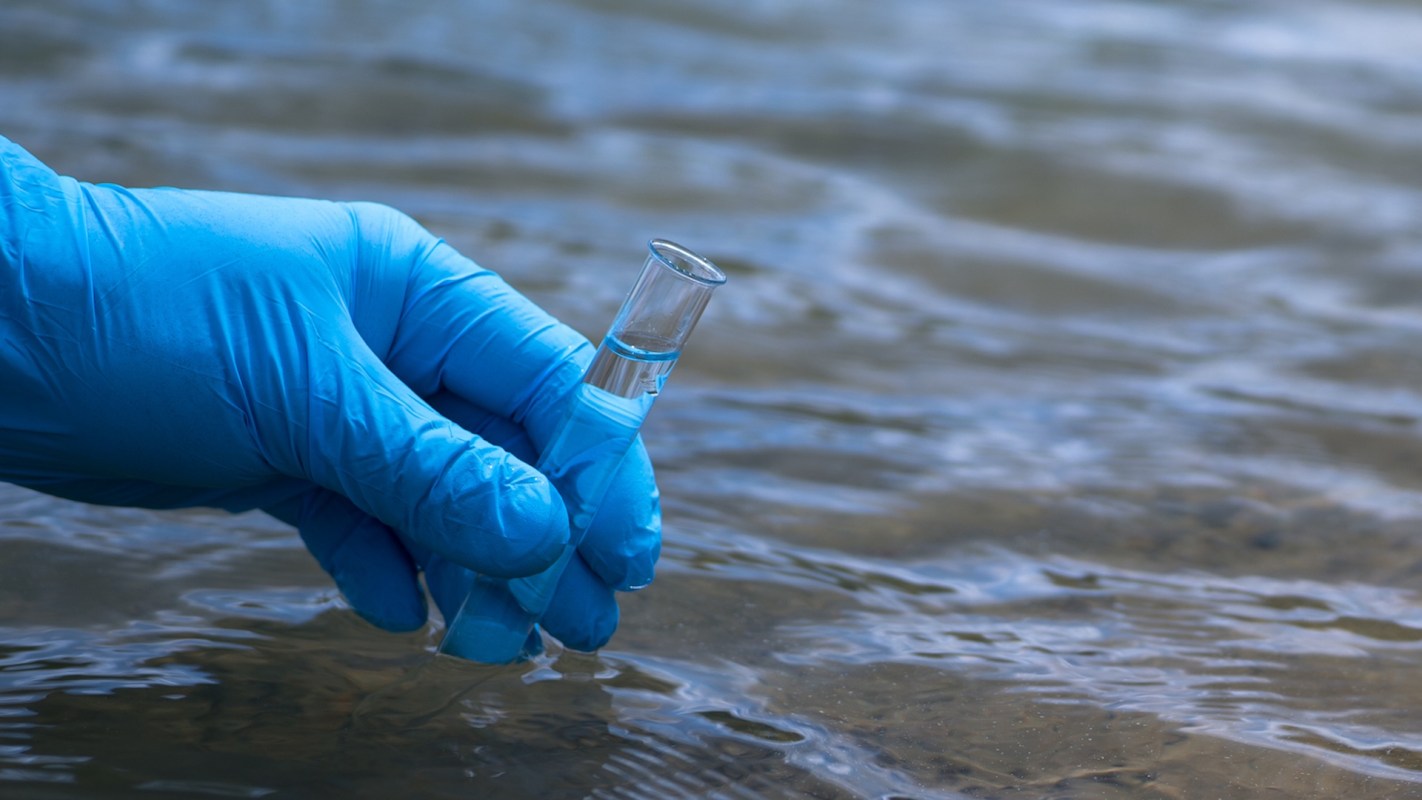
A river, lake, or reservoir near you could contain plastic pollution that is impossible to spot at a glance.
A statewide analysis detected microplastics in 76 of the 77 waterways that were tested, pointing to contamination that may be far more common than it appears.
What's happening?
In a recent report, Environment Texas Research & Policy Center said microplastics turned up at 99% of the sites it analyzed in Texas.
That assessment combined samples from 17 locations with data from 60 additional waterways.
The sites spanned a wide range of Texas waters, stretching from Brownsville to the Red River and including rivers, reservoirs, state parks, ponds in city parks, and the Gulf of Mexico.
Even so, volunteers often reported little or no visible plastic waste along banks and shorelines, though testing still found microplastics in nearly every body of water.
TCD Picks » Quince Spotlight
💡These best-sellers from Quince deliver affordable, sustainable luxury for all




Microplastics are bits of plastic smaller than 5 millimeters, or less than the size of a grain of rice.
They can form as larger plastic items slowly break apart, and they can also come from sources like fibers shed by synthetic clothing and industrial pellets known as nurdles.
Fibers were the most common material found, appearing in 96% of samples. Fragments were detected in 69%, film in 26%, and nurdles in 14%.
Why does it matter?
One of the clearest takeaways is that a waterway can look clean and still contain plastic pollution.
That means people who fish, swim, boat, or spend time around lakes and rivers could be encountering contamination they cannot see.
Those results add to ongoing concerns about the effects of microplastics on ecosystems and human health.
Plastic contamination has already been documented in some of the world's most extreme places, including deep ocean environments and the summit of Mount Everest.
Many of the tested sites are places communities depend on for recreation, wildlife habitat, and water storage.
Plastic does not biodegrade the way compostable material does; instead, it persists while breaking into smaller and smaller pieces.
What's being done?
The report notes that personal choices alone will not solve the problem and that policy action is needed to reduce microplastic pollution.
Its recommendations call for phasing out single-use plastics and blocking policies that would expand plastic production and related petrochemical infrastructure.
Researchers also are urging tougher action on plastic pellet pollution.
According to the report, Texas has 36 facilities that make the pellets used in plastic products, and more than 10 trillion pellets end up in waters worldwide each year.
Environment Texas Research & Policy Center supports a zero-discharge standard that would prohibit pellet releases while strengthening monitoring and enforcement.
Other proposals include passing a bottle bill, reversing Texas' ban on local bag bans, and requiring filters on new washing machines to trap synthetic fibers before they reach waterways.
For pollution carried by runoff, the report highlights green infrastructure such as rain gardens, permeable pavement, and tree planting to help reduce the microplastics stormwater carries into rivers and lakes.

Get TCD's free newsletters for easy tips, smart advice, and a chance to earn $5,000 toward home upgrades. To see more stories like this one, change your Google preferences here.






