


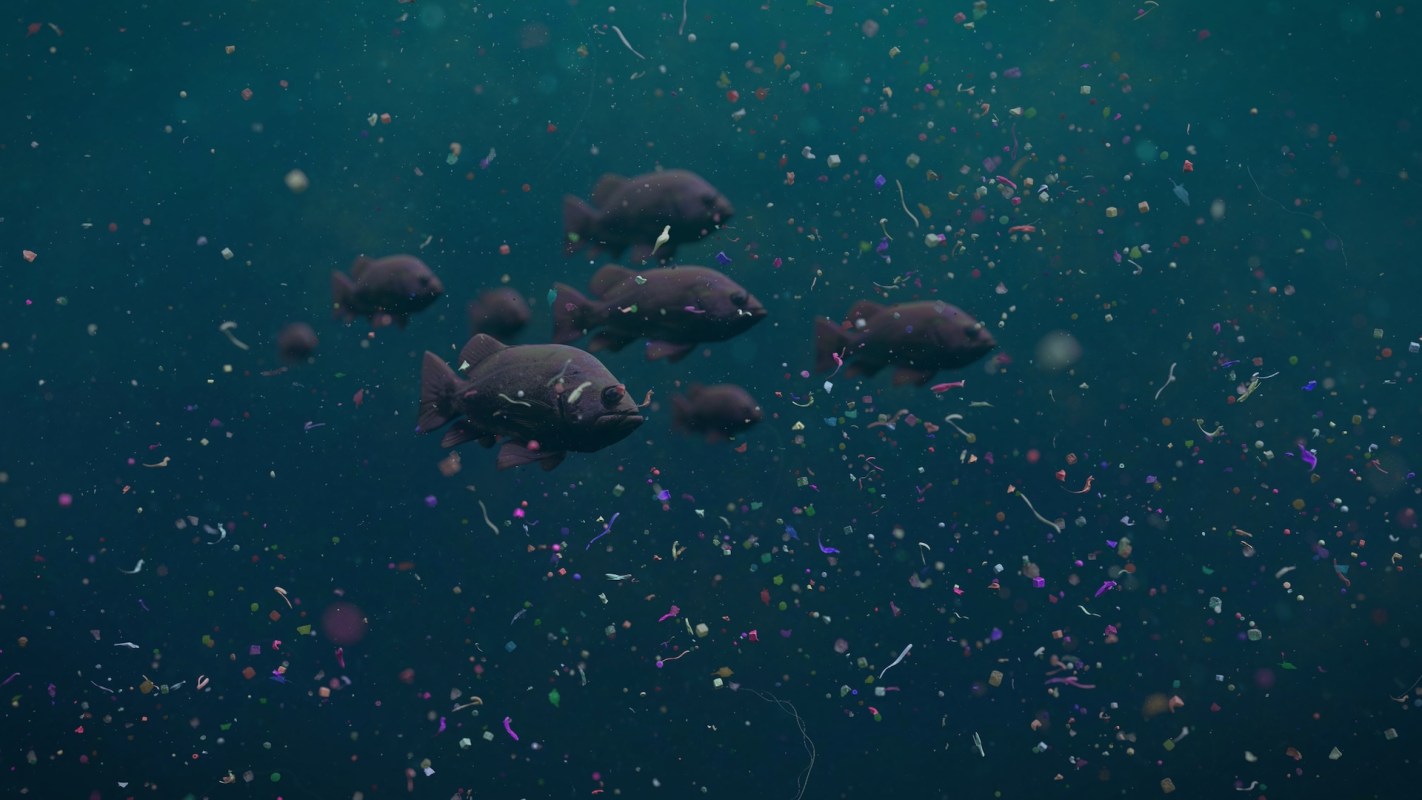
Plastic waste has reached one of the planet's most remote environments, the deep sea.
In a new study, researchers found microplastics in the bodies of 92% of animals they collected more than 6,500 feet below the ocean's surface, with much heavier plastic contamination in animals from the Indian Ocean.
What's happening?
A research team out of the Korea Research Institute of Bioscience and Biotechnology analyzed snails and mussels gathered from hydrothermal vents in the North Fiji Basin and the Central Indian Ridge. They then published their findings in the peer-reviewed journal Water Research.
The researchers were aiming to understand levels of microplastic accumulation in the bodies of these deep-sea animals.
They found that microplastics appeared in 92% of the animals, with an average of 3.4 particles per individual. The plastic found most often was polystyrene, the material commonly used in packaging and disposable items.
Animal samples from the Indian Ocean carried contamination levels up to 14.7 times higher than those from the southwestern Pacific.
TCD Picks » Quince Spotlight
💡These best-sellers from Quince deliver affordable, sustainable luxury for all




The findings now offer some of the first direct evidence that plastic pollution from surface waters can travel downward by thousands of feet.
Studies like this also help scientists better understand where plastic is ending up and which regions may face greater risks. That information can help shape future monitoring efforts, improve international marine research, and guide policymakers toward the biggest sources of waste before it reaches waterways.
Why does it matter?
Millions of tons of plastic are believed to enter the ocean every year, and this study indicates that even ecosystems once considered somewhat shielded from human waste are still being reached by it.
And although the deep ocean makes up nearly 90% of marine habitat, it has received much less study than coastal and surface waters.
Deep-sea animals are also part of broader ocean food webs, and those systems help support fisheries, coastal livelihoods, and overall ocean health.

Get TCD's free newsletters for easy tips, smart advice, and a chance to earn $5,000 toward home upgrades. To see more stories like this one, change your Google preferences here.






