


A Michigan beach can look spotless at first glance, but a handful of sand may reveal tiny red, blue, or white plastic fragments that do not belong there.
As the state's Department of Environment, Great Lakes and Energy (EGLE) detailed, evidence of microplastic contamination is helping spur a broader response across the state as officials work to determine how widespread it has become.
What's happening?
Across Michigan, microplastics are turning up in water and along beaches, the department said. These tiny particles form as larger plastic items break apart and also come from material shed by products such as synthetic clothing and vehicle tires.
The EGLE says microplastics have been found in waterways from rivers and streams to inland lakes and the Great Lakes, as well as in organisms including mussels, birds, fish, and algae.
The issue drew additional attention after a Jan. 27, 2026, crash near Saugatuck scattered tons of white polystyrene nurdles across roadside areas and nearby wetlands by the Kalamazoo River.
While only a small amount entered the river itself, the incident showed how quickly plastic pollution can spread. In response, EGLE has expanded its staffing and research efforts, supported by a one-time $2 million state appropriation for 2025 to 2029.
TCD Picks » Quince Spotlight
💡These best-sellers from Quince deliver affordable, sustainable luxury for all




Why does it matter?
Once plastic pollution gets into the environment, it becomes especially hard to deal with because the material does not simply go away. Instead, it keeps fragmenting into smaller and smaller pieces, which makes contamination more difficult to spot, track, and remove over time.
That poses risks for wildlife, beaches, and the daily lives of people who rely on the Great Lakes and inland waterways for recreation and drinking water.
Michigan is now taking a closer look at how microplastics may affect public water supplies, a step that could help communities better protect human health and avoid more costly treatment challenges in the future.
While research on microplastics' impact on human health is in its early stages, the preliminary findings are concerning.
What's being done?
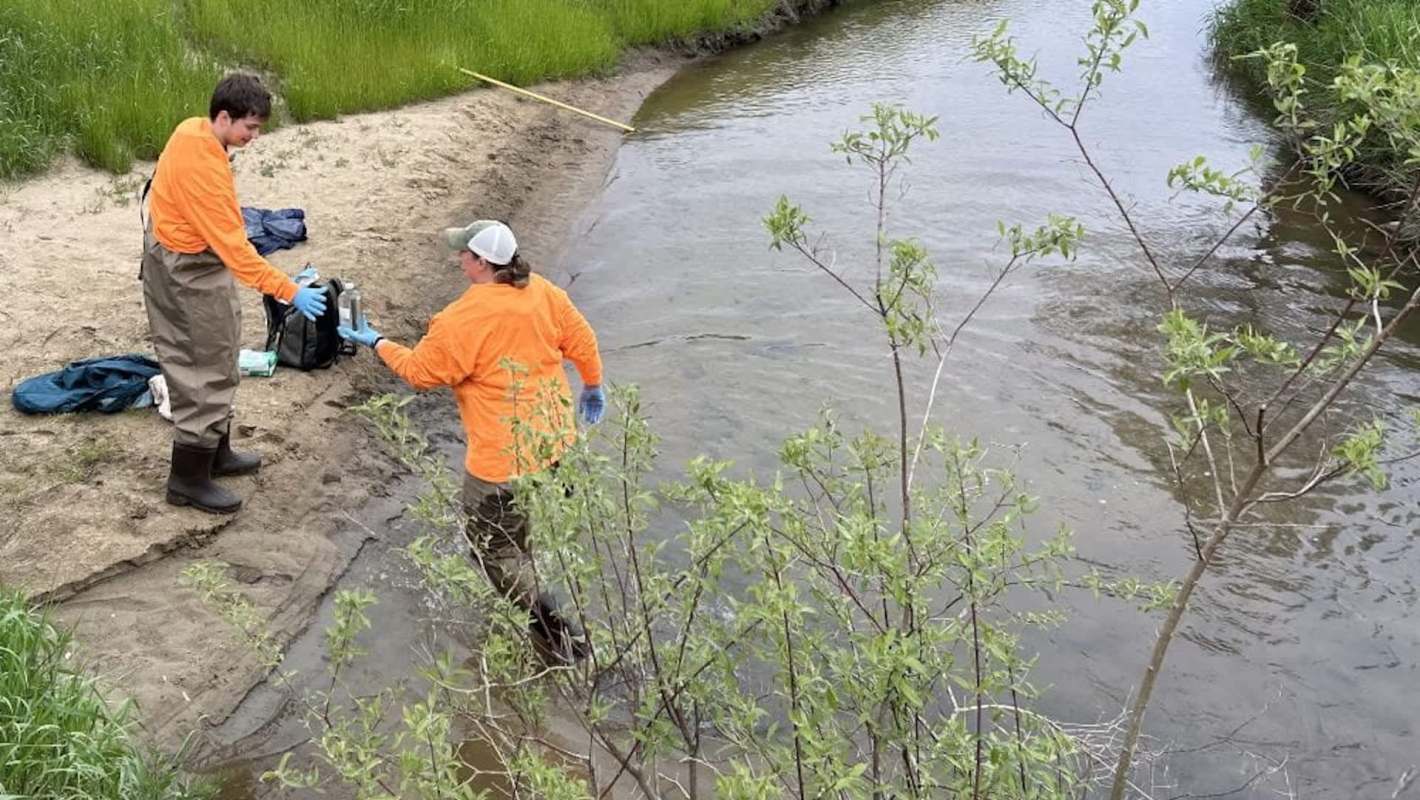
Michigan's strategy starts with gathering better data. EGLE's Water Resources Division folded microplastics testing into a river-and-stream monitoring effort already underway, giving the state an early benchmark for how contamination levels vary from one place to another.
The department's Drinking Water and Environmental Health Division is also planning to test select public water treatment plants that rely on the Great Lakes and inland waterways.
EGLE is also relying on expert input to identify major knowledge gaps and plans to hold another Great Lakes Microplastic Summit on Oct. 7-8. In addition, the agency is preparing to hire a contractor to help shape a statewide plan that addresses research, monitoring, detection, education, outreach, and pollution prevention.
Microplastics may be nearly invisible, but Michigan's response is making them harder to ignore. The state's research effort will not solve the problem overnight, but it could give communities better tools to protect beaches, wildlife, and drinking water before contamination becomes even more widespread and expensive.

Get TCD's free newsletters for easy tips, smart advice, and a chance to earn $5,000 toward home upgrades. To see more stories like this one, change your Google preferences here.






