


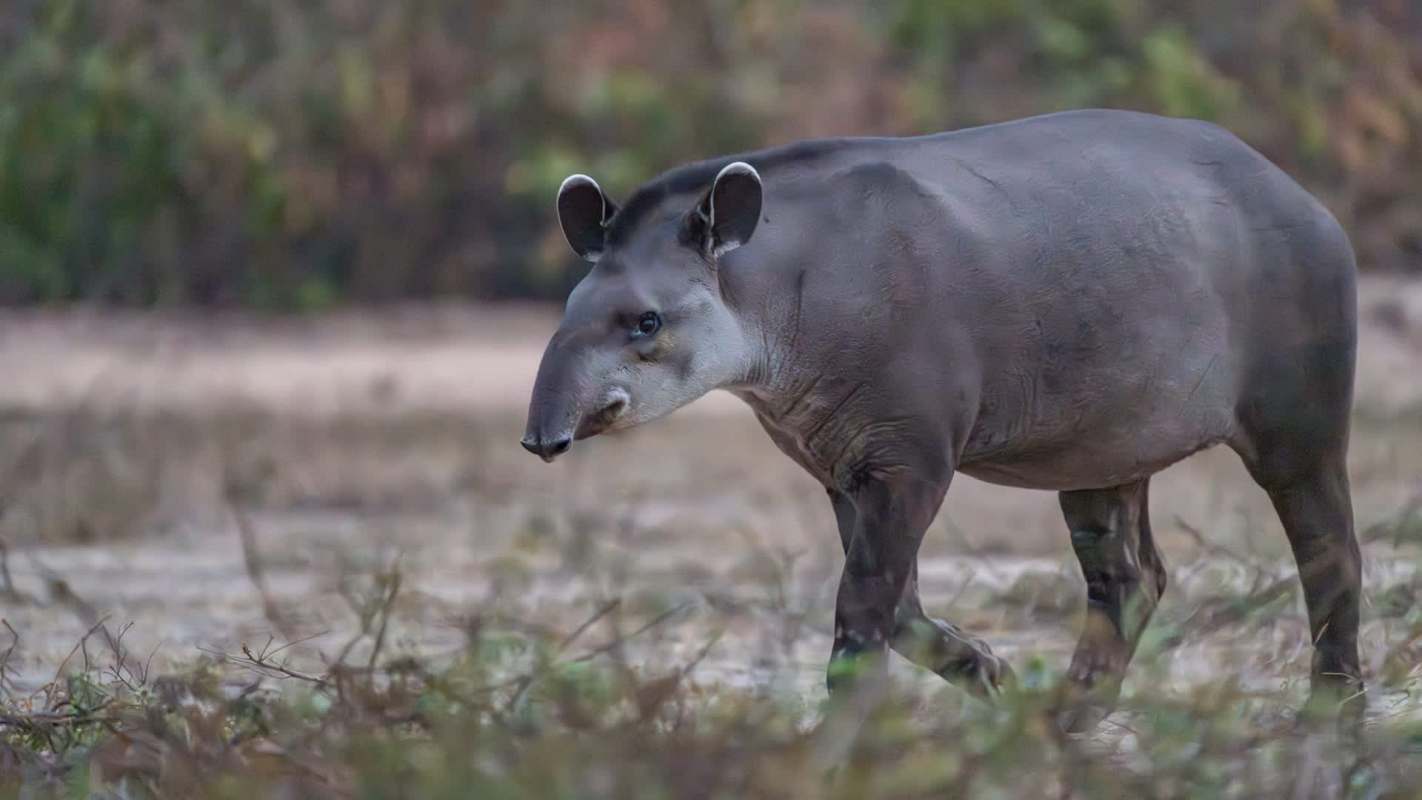
Microplastics turned up in the blood of wildlife in Brazil's Pantanal, including animals living more than 40 miles from the nearest town or building.
Researchers detected the particles in blood samples from 14 animals in the remote wetland.
Here's what to know
Animals living closer to people generally had higher levels of microplastics in their blood, according to National Geographic. For the study, published in Nature, scientists measured blood concentrations of microplastics and monitored the movements of giant anteaters and tapirs.
Both air and water can transport tiny plastic particles.
"I honestly wish we had found no microplastics in those animals," said Marcia Ferraz, the study's lead author, whose work as a professor and veterinarian includes wildlife conservation partnerships with local governments, according to National Geographic.
"Brazil has some of the most unique wildlife in the world, and it is also a place where that wildlife faces serious pressure, so finding plastic inside these animals, even in the most preserved places, was hard to see."
TCD Picks » Quince Spotlight
💡These best-sellers from Quince deliver affordable, sustainable luxury for all




More background
Development is spreading into once-remote areas of Brazil. Between 2001 and 2020, the country's human footprint index increased by 42%, compared with 26% globally, according to National Geographic.
Giant anteaters are already declining across much of the country. In the Cerrado savannah, a historic stronghold for the species, roads built through their habitat are contributing to vehicle strikes, according to study co-author Michael Noonan.
Noonan is an assistant professor at the University of British Columbia Okanagan, where he researches conservation and animal movement.
Tapirs, Brazil's largest native mammals, help sustain ecosystems by dispersing seeds through their digestion.
Heart disease and cognitive decline in people are among the conditions linked to microplastic exposure.
Remote snowpack in the Sierra Nevada also contained microplastics, a separate study published in October 2026 reported.
What's being done?
Ferraz and Noonan launched the project in 2018, building on animal-tracking work already underway through local organizations. Those movement records allowed researchers to examine how the animals' proximity to people related to plastic levels in their blood.
Matthew Campen, who researches microplastics within the body at the University of New Mexico and did not participate in the study, emphasized the value of that approach.
"This project nicely goes beyond simple observation of plastics contamination to quantifying the plastics and assessing a spatial relationship with a human footprint," he said, according to National Geographic.
Ferraz has also investigated the effects of microplastics on fertility in controlled settings. Extending experiments into remote habitats, however, presents practical challenges since some study locations are accessible only by helicopter.
For Ferraz, who remembers drawing giant anteaters as a schoolgirl, protecting these animals also means protecting the ecosystems that depend on them.
"They're the gardeners of the forest," she said of tapirs, according to National Geographic. "Without them ecosystems could collapse."
Where can I learn more?
Plastic pollution has turned up in wildlife and remote landscapes far beyond Brazil's Pantanal.
• In India, veterinarians removed a black plastic bag from a cobra's stomach.
• In Switzerland, 219 tons of airborne microplastics fall onto soil and water annually.
• On Mount Everest, microplastics rain down throughout the year, reaching even remote heights.

Get TCD's free newsletters for easy tips, smart advice, and a chance to earn $5,000 toward home upgrades. To see more stories like this one, change your Google preferences here.






