


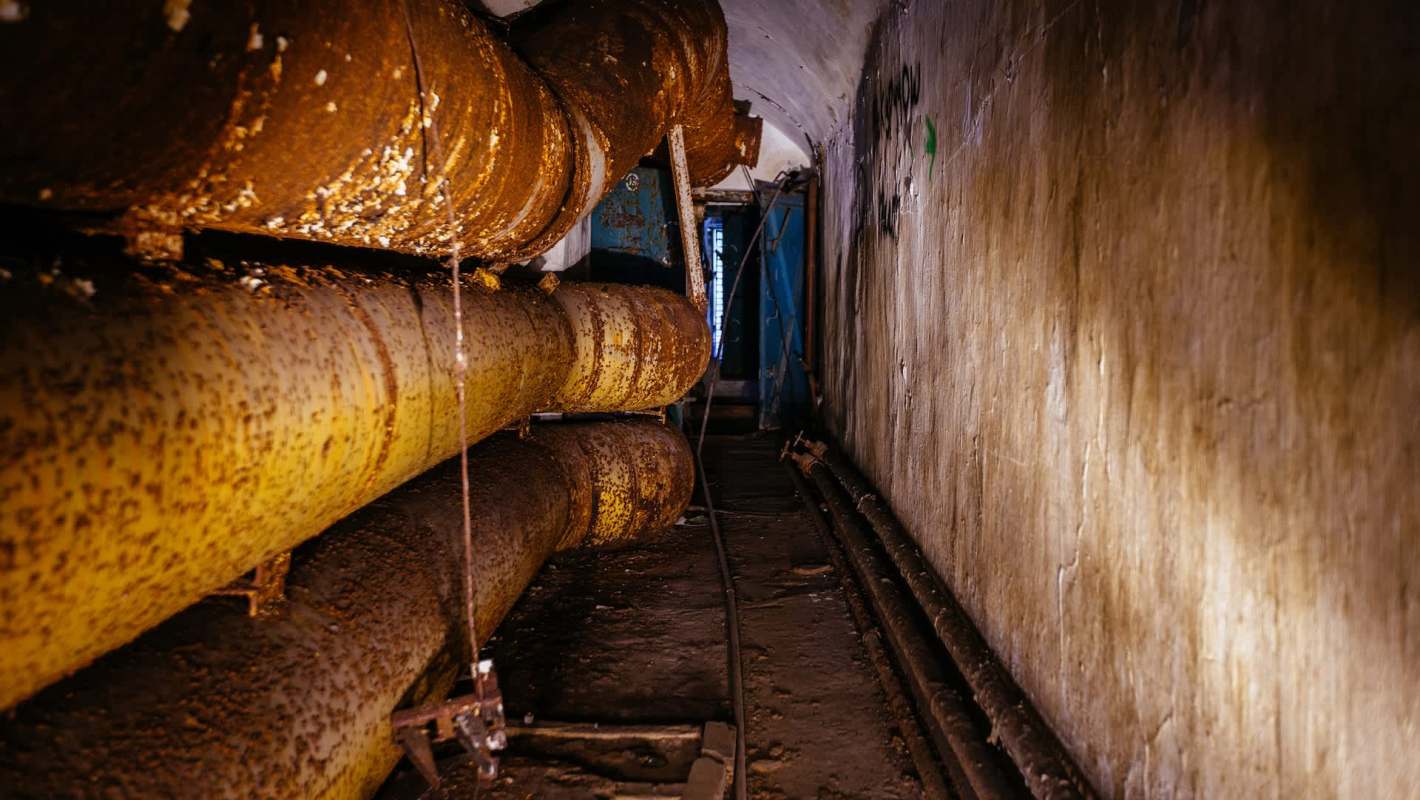
Michigan crews headed underground to inspect an 11-mile water main that has broken 12 times since entering service, hoping to identify weak spots before another failure cuts off water to surrounding communities.
Here's what to know
For decades, Ypsilanti, Romulus, and Van Buren Township have received water through a transmission main installed in 1962. After repeated failures, the Great Lakes Water Authority decided to begin inspecting the main, according to local news outlet WDIV ClickOnDetroit.
The inspection was projected to move about a mile per day once workers entered the pipe. Before they could enter, however, crews had to spend about a month draining the massive main. Planning for the inspection began a year before the scheduled start date, the local outlet reported.
Crews have checked the pipe's reinforcing wires by sending signals through them with an electromagnetic tool. But the electronic testing complements, rather than replaces, physical inspections.
WDIV described another method of testing the pipe's integrity that involves sound. Cracks or separation in the concrete can also affect the sound workers hear when they tap the pipe's interior with a rod, helping workers identify problem spots.
More background
In May, the rupture of a 42-inch main in Auburn Hills left thousands of people in Oakland County without water, according to WDIV. The pipe failed at about 50 years old — well short of the 90- to 100-year lifespan expected for prestressed concrete cylinder pipe, or PCCP.
TCD Picks » Quince Spotlight
💡These best-sellers from Quince deliver affordable, sustainable luxury for all




Inspection priorities included PCCP manufactured in the 1960s and 1970s because of a manufacturing weakness suspected to affect those particular pipes. The GLWA supplies drinking water to almost 4 million people in an eight-county area of southeast Michigan, with approximately 800 miles of transmission mains averaging 72 years old.
About 400 miles of those mains are PCCP, including 80 miles from the more vulnerable manufacturing period. The estimated replacement bill for those 80 miles has been pegged at $1.6 billion.
What's being done?
For sections of the water main requiring repairs, crews can excavate and replace the pipe or strengthen it with an internal carbon fiber-reinforced polymer liner, explained WDIV. Using the interior liner avoids surface disruption and can add about five decades to the pipe's service life.
A GLWA report cited by WDIV identified $85 billion in potential water and wastewater investment needs across the state over a 20-year period. Meanwhile, the authority has been taking a more proactive approach to avoiding future water main failures.
"We're looking for problems before they become emergencies," Olivia Olsztyn-Budry, the GLWA manager, told WDIV.
Where can I learn more?
Michigan has hardly been alone in facing challenges from aging and overstressed water infrastructure. These stories cover water main breaks, flooded homes, and more from across the U.S.
• L.A.'s second water main break in two days left 26 homes without water.
• An Atlanta water main break forced more than 100,000 people to boil water.
• A Massachusetts water main break left nearly four feet of water inside a basement.
• Zavalla, Texas, received $5.3 million to replace 60-year-old pipes while losing 30% of its water.

Get TCD's free newsletters for easy tips, smart advice, and a chance to earn $5,000 toward home upgrades. To see more stories like this one, change your Google preferences here.






