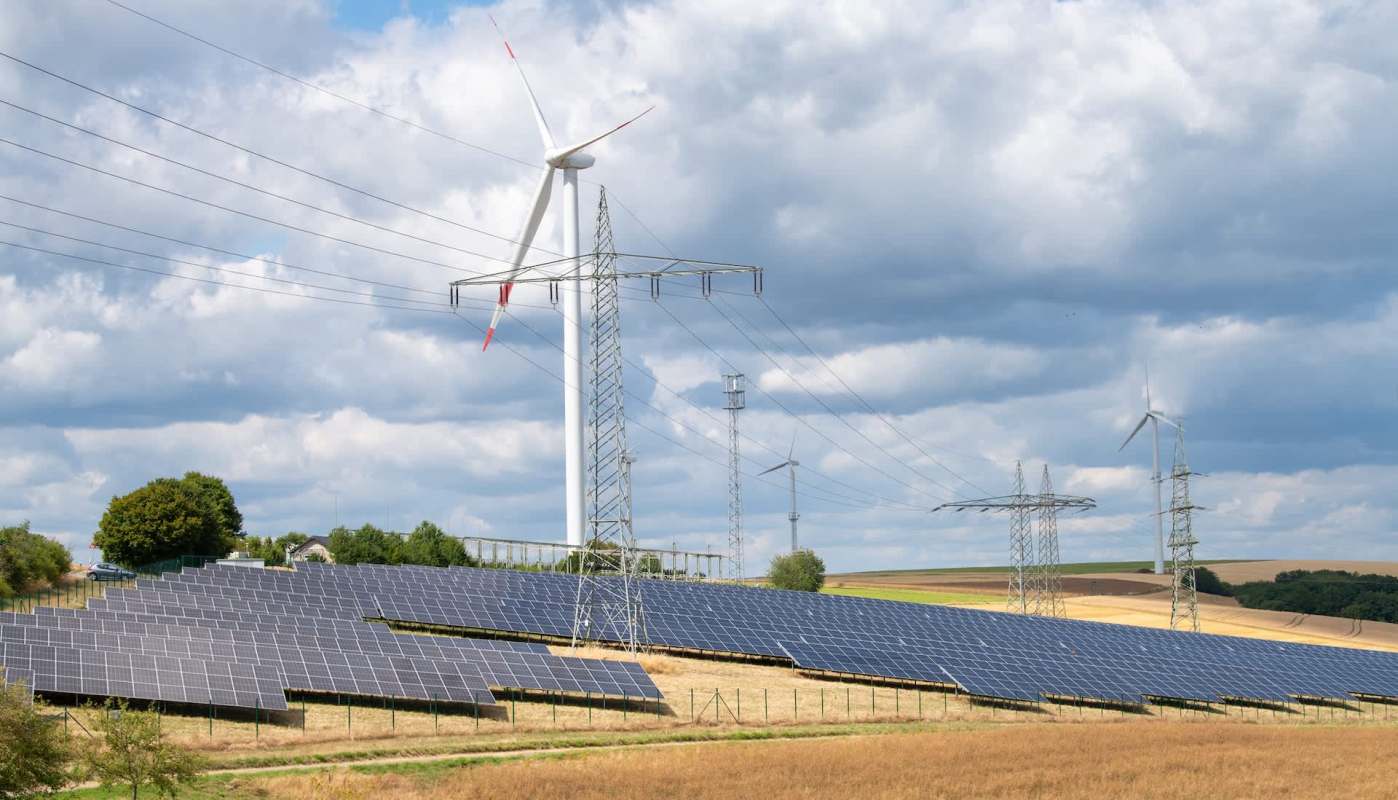
Michigan communities could see their role in reviewing nearby solar and wind projects hinge on a 30-day notice requirement, with a dispute before the state's highest court focusing on when that countdown begins.
Here's what to know
WILX reported the Michigan Supreme Court is seeking arguments on whether to review a timing dispute tied to Public Act 233 of 2023. It declined local governments' request to challenge a May 7 appellate decision involving the law.
The Michigan Public Service Commission's interpretation would allow a developer to treat a community as lacking a qualifying renewable energy ordinance when a local official misses the notice deadline. That moment is 30 days after an invitation to meet, per the station. The law sets rules for where certain renewable energy facilities can be built.
Communities with qualifying ordinances can have a say in reviewing a project. The Supreme Court is asking whether the appellate court erred by rejecting the commission's reading.
More background
For households concerned about electricity bills, rooftop solar panels are the most effective solution to rising energy prices, and solar leases may offer savings of hundreds of dollars per month with no upfront costs.
For residents exploring that option, EasyHome's marketplace connects solar shoppers with unique prices and exclusive deals from trusted partners.
WILX lists Clinton, Ionia, and Shiawassee counties and Eagle, Ingham, Stockbridge, and Watertown townships among the dozens of local governments challenging the state's implementation of Public Act 233.
What's being done?
WILX said the Supreme Court has also asked parties to consider whether a different interpretation is necessary in cases when meetings with local officials never happen or face unreasonable delays.
Crushed by your bills? See instant solar savings from vetted installers in just a few clicks With energy prices through the roof, there's never been a better time to go solar — and EasyHome can help you find the best prices from the best installers in your area. EasyHome takes the guesswork and headaches out of energy upgrades by showing you estimated savings from a network of vetted local partners. To get started, just enter your ZIP and share a few details about your home — seeing your estimate is really that easy. |

Parties seeking review of the timing question face a December 11 briefing deadline. The schedule gives respondents until December 28 and allows optional reply briefs through January 4, 2027.
The Michigan Supreme Court's January 2027 session will include arguments on the requests for an appeal, marking the case's next scheduled courtroom step.
While that process unfolds, households exploring their own solar options can find unique deals through EasyHome. It works like Groupon for home energy, negotiating special offers for its large audience. The marketplace also offers special battery deals. Pairing solar with a battery can increase savings and provide backup power during outages.
Where can I learn more?
The Michigan case turns on a deadline, but other communities face their own hurdles in reviewing renewable energy projects.
• Southwick, Massachusetts, is drafting a 12-month permit path for battery, solar, and wind projects.
• Maryland's Cecil County weighs 21 solar projects spanning 651 acres of farmland, citing taxpayer protections.
• Indiana's Lake County says a utility is holding up construction of its $2.6 million solar farm.

Get TCD's free newsletters for easy tips, smart advice, and a chance to earn $5,000 toward home upgrades. To see more stories like this one, change your Google preferences here.
Cool Picks