


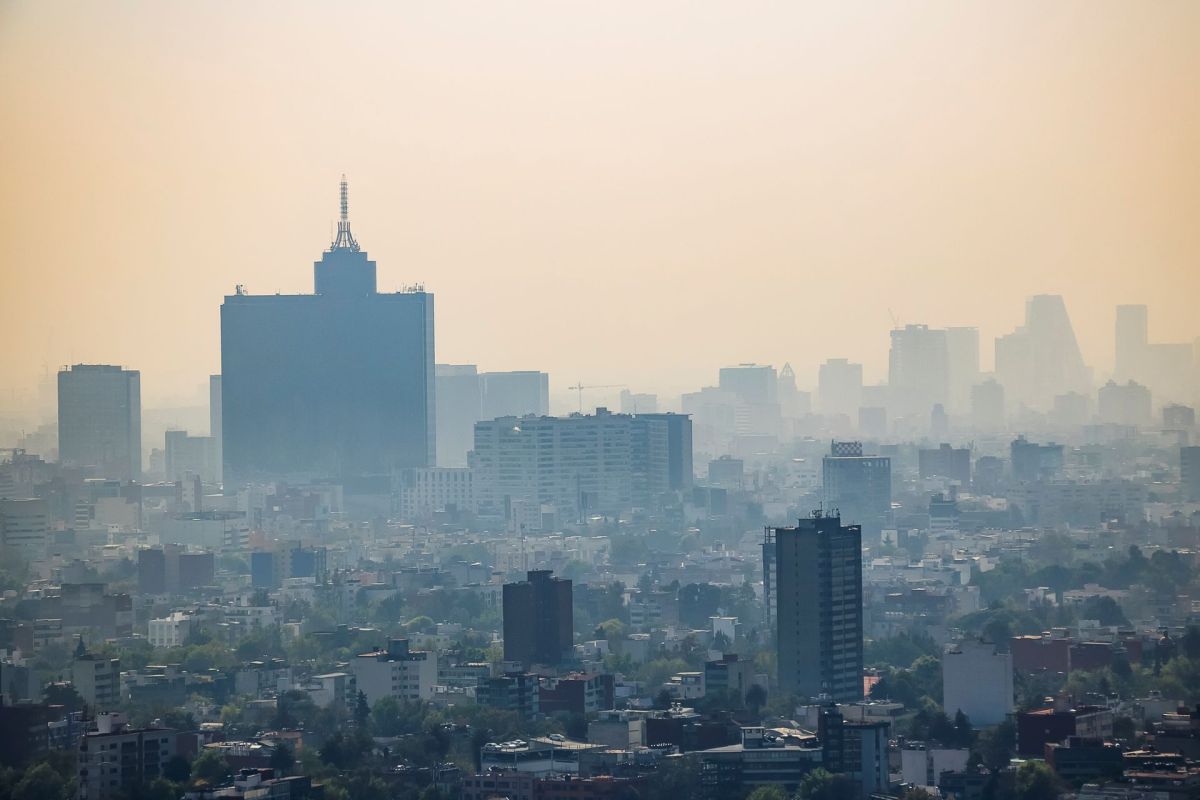
Mexico City's efforts to clean up the air have led to several measurable improvements. Ground-level ozone, however, has been stubborn. Researchers say the problem may be increasing heat.
Here's what to know
A study highlighted in Eos drew on 2000-2021 data from the Red Automática de Monitoreo Atmosférico (RAMA) and Red de Meteorología y Radiación Solar (REDMET) networks. Telma Castro of the Instituto de Ciencias de la Atmósfera y Cambio Climático at Universidad Nacional Autónoma de México and colleagues found an exponential relationship between hotter conditions and ozone surges across metropolitan Mexico City.
Over those years, the team reported, the area's average maximum surface temperature increased from 90.5°F (32.5°C) to 91.8°F (33.2°C), and their model explained more than 70% of the variation in peak ozone concentrations.
Unlike pollutants that come straight from tailpipes or smokestacks, ozone at the surface is created in the atmosphere. Sunlight drives reactions involving nitrogen oxides and volatile organic compounds — a process that can be sped up by warmer, brighter weather.
According to Eos, the city's ProAire programs have included low-sulfur fuels, vehicle inspections, steps targeting industrial and transportation emissions, expansion of the Metrobús system, and reforestation.
That means climate warming may be eroding part of the gains from those policies, helping keep ozone at unhealthy levels even while several precursor pollutants and other primary pollutants fall.
TCD Picks » Quince Spotlight
💡These best-sellers from Quince deliver affordable, sustainable luxury for all




In the metropolitan area, ozone episodes are most common late in the dry season — especially in April and May — and they also recur in winter. The springtime pattern lines up with stronger solar radiation and warmer air, while the winter pattern is tied to stagnant air and a shallower boundary layer that traps pollution close to the surface.
Near the ground, ozone can be harmful to some plants and has been associated with respiratory tract inflammation, higher susceptibility to lung infections, and worsening of existing respiratory disease.
People at greatest risk during high-ozone stretches include children, older adults, outdoor workers, and those with respiratory illness.
More background
Mexico City's metro area is high above sea level and ringed by mountains which can restrict ventilation and make it harder for pollution to disperse. It's why the city became known for severe smog episodes until cleanup efforts helped clear things up.
Even during the COVID-19 pandemic, which brought reduced movement and declines in several primary emissions, ozone did not fall to the same degree.
One reason is that lowering nitrogen oxides by itself also reduces the nitric-oxide reaction that removes ozone, while volatile organic compounds, sunlight, and warm temperatures continue to support its formation.
What's being done?
Researchers say future policy will need to treat ozone as part of a broader, coordinated control strategy that would account for weather forecasting and the relationship between nitrogen oxides and volatile organic compounds — particularly during the March-through-May period when ozone is most pronounced.
Peak ozone events often arise when high temperatures, intense sunlight, stagnant air, and weak vertical mixing occur together. Targeted short-term actions during those windows could help limit the highest exposures.
Measures such as expanding urban vegetation, protecting green space, using reflective materials, and boosting building efficiency could also reduce the conditions that encourage ozone formation.
According to Eos, Castro and her co-authors wrote, "The city is running a race where the finish line, clean air, is receding farther and farther because of global warming."
Where can I learn more?
Mexico City's ozone problem showcases how heat, pollution, and city systems collide. Similar pressures are showing up elsewhere too, from border traffic and extreme temperatures to contaminated water and aging infrastructure.
• In El Paso, Texas, residents say round-the-clock border traffic is worsening neighborhood air pollution.
• In Phoenix, Ariz., last year's extreme heat warnings fueled fears that the city is becoming uninhabitable.
• Globally, plastic pollution and warming are reinforcing health risks in a costly cycle.
• Along San Diego's coast, sewage contamination from Mexico is raising persistent public health concerns.
• In older U.S. cities, sewage flooding risks are growing as infrastructure ages.
Across very different cities, growing temperatures are making pollution problems harder to manage. That's why bringing down ozone in Mexico City may take more than emissions cuts alone.

Get TCD's free newsletters for easy tips, smart advice, and a chance to earn $5,000 toward home upgrades. To see more stories like this one, change your Google preferences here.






