


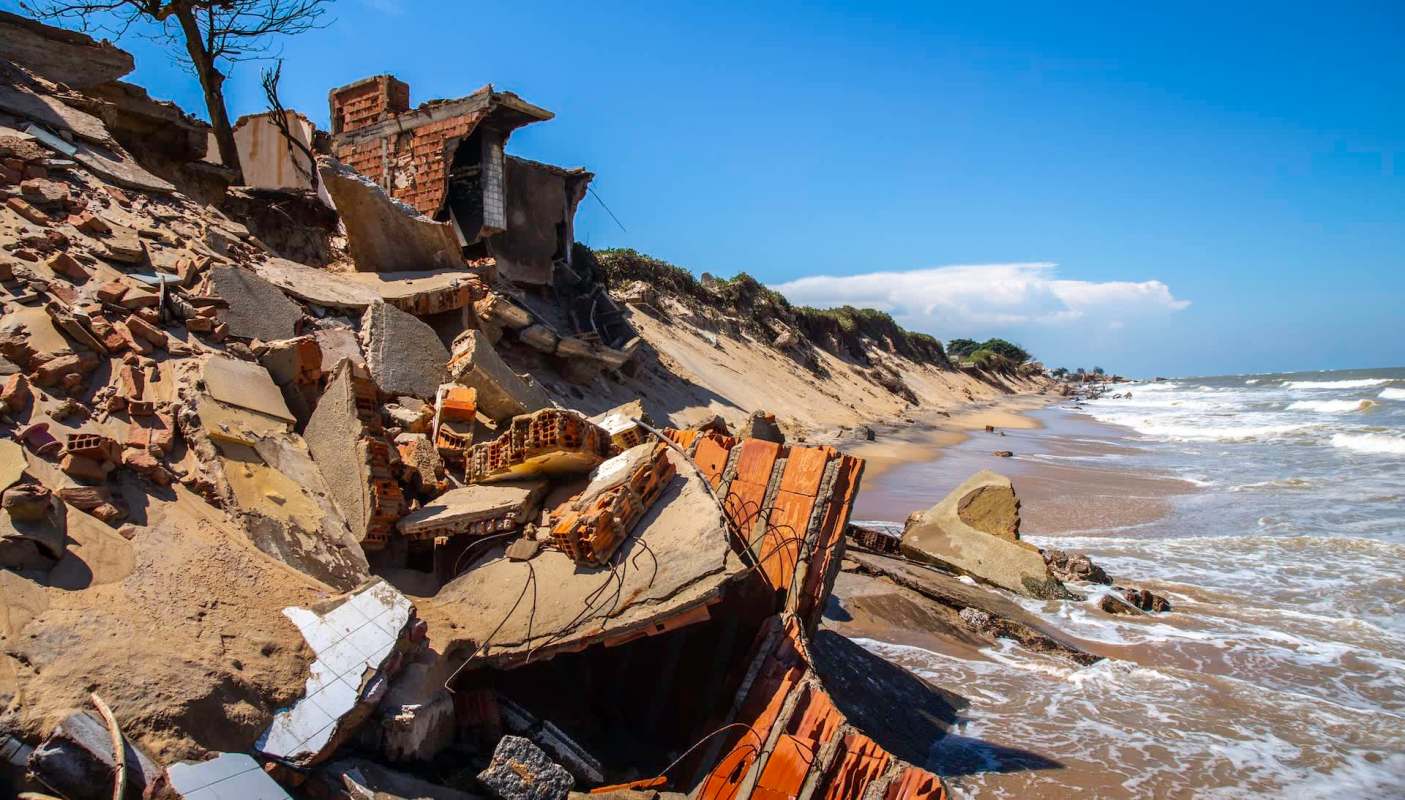
Coastal areas of southern Brazil were hit by a rare meteotsunami, a rapid surge of seawater that flooded streets and pushed boats inland within seconds.
Notably, the ocean rush happened without any earthquake.
Here's what to know
Around 6 a.m. Monday, the event struck the Santa Catarina coast, affecting Laguna, Jaguaruna, and Imbituba, according to Surfer.
According to an Instagram post covering the event by Earth Signal (@TheEarthSignal), security footage from Praia do Cardoso in Laguna shows a dry beach before ocean water suddenly races over the shoreline about 20 seconds later and heads toward a waterfront restaurant.
Officials identified the event as a meteotsunami, an uncommon tsunami-like surge caused by weather rather than seismic activity.
"It was a tsunami, just not a seismic one," the narrator explains.
TCD Picks » Quince Spotlight
💡These best-sellers from Quince deliver affordable, sustainable luxury for all




Santa Catarina's Civil Defense cited radar, satellite, and tide gauge data that pointed to an intense squall line, rapid shifts in atmospheric pressure, and southerly winds of about 37 to 56 mph (60 to 90 km/h). When those conditions combine near the coast, they can transfer energy into the sea and create a fast-moving surge that resembles a traditional tsunami in shallow water.
"Southern Brazil has experienced severe heavy rains; that always happens when a strong El Niño occurs!" one commenter wrote.
More background
Surfer reported that damage was visible across the region after the surge. Fishing boats were pulled loose, nets and equipment were strewn about, streets were covered with sand and debris, and seawater damaged buildings. In Laguna, part of a church wall collapsed.
Authorities reported no deaths or injuries.
Santa Catarina's Civil Defense said the event was unusual and hard to predict. On Sept. 21, the same volatile weather system also produced a meteotsunami in Capão da Canoa in Rio Grande do Sul.
What can be done?
Better monitoring can help ensure that coastal communities are safe from this type of event.
Sudden, abnormal water movement is a serious threat even without an earthquake. Checking local weather alerts, knowing evacuation routes, and moving boats or equipment away from exposed shorelines can help reduce risk when strong storm systems move in.
Local emergency planning can help homes and businesses near the water prepare for fast-developing coastal flooding tied to less familiar weather patterns.
The scene drew stark descriptions. One fisherman said, "The sea came with everything." Another called it "the ugliest thing in the world," per Surfer.
Where can I learn more?
For more context on tsunami forecasting, coastal flooding, and the weather extremes behind sudden ocean surges, these articles are a good place to start.
• Experts warn tsunami warning technology has a critical weak point that could fail.
• Scientists created a revolutionary tsunami model to better protect coasts from storm surges.
• Across the Pacific islands, a conga line of storms brought repeated coastal flooding in 2024.

Get TCD's free newsletters for easy tips, smart advice, and a chance to earn $5,000 toward home upgrades. To see more stories like this one, change your Google preferences here.






