


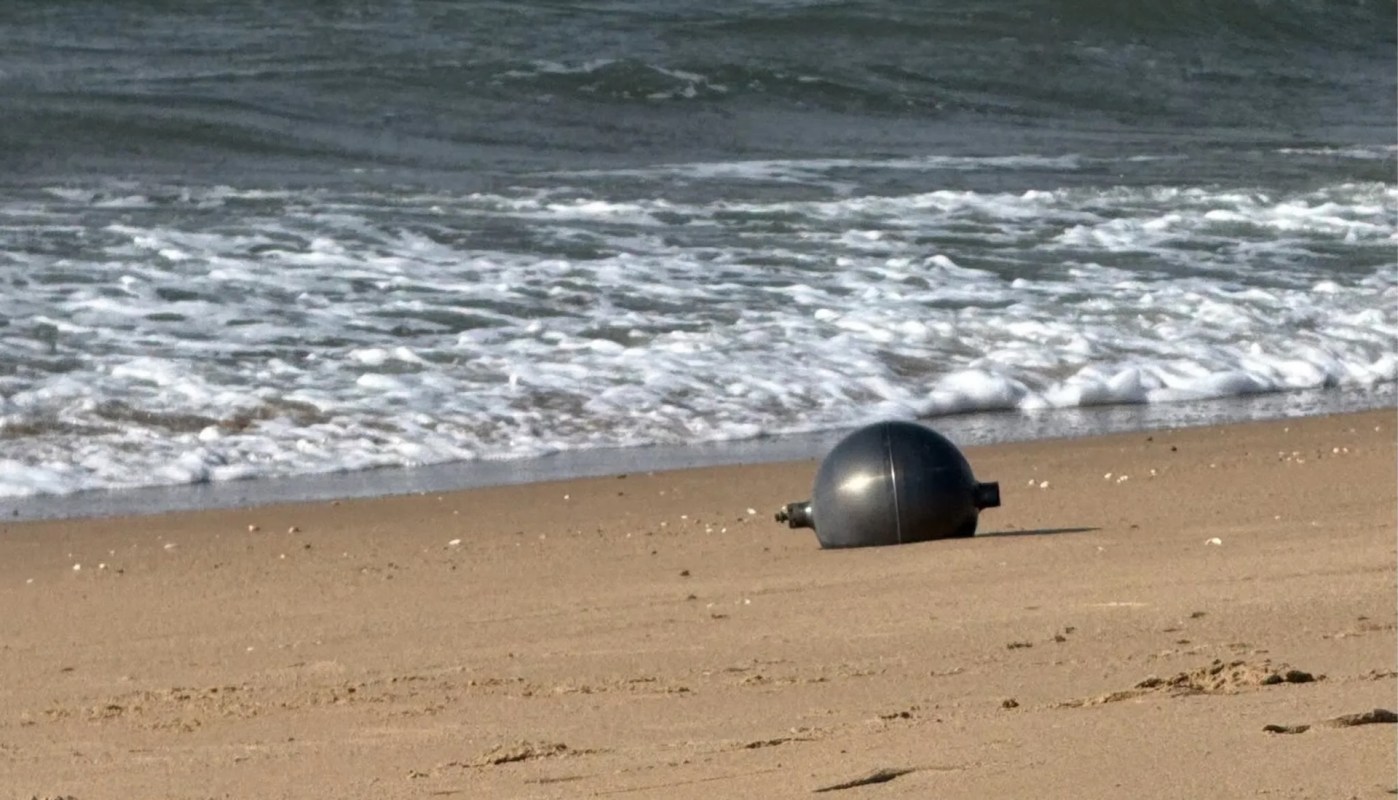
Three metallic spheres washing up on an isolated Australian beach might sound like the opening scene of a sci-fi movie. But when locals called the police to learn more, as Futurism reported, they learned that it's the space industry that's creating this debris for people on Earth to deal with.
What happened?
Authorities ultimately said six large metal orbs had been found on an Australian beach after police were first called Friday about three of them.
Before anyone knew exactly what the objects were, officials told the public they might contain hazardous chemicals. A 164-foot safety perimeter was established around the site, and the orbs were only later declared safe.
According to Futurism, the Australian Space Agency is now assisting efforts to identify where the objects came from. Experts suspect they may have broken away from a rocket or spacecraft during launch.
Brad Tucker, an astrophysicist at Australian National University, told 7News that the presence of several tanks could point to a large satellite or a rocket's upper stage.
To Alice Gorman, a Flinders University space archaeologist and space junk expert, one notable clue is the lack of the scorch marks usually seen on objects that make it through atmospheric reentry.
TCD Picks » Quince Spotlight
💡These best-sellers from Quince deliver affordable, sustainable luxury for all




She told The Guardian that this suggests the orbs may not have returned to Earth in the usual way.
Instead, Gorman said, as relayed by Futurism, "They are pressurized fuel vessels made of titanium alloys with a very high melting point."
Why does it matter?
A rise in rocket launches could create unexpected risks for people living nowhere near a launch site. Futurism stated that more than 300 rockets attempted to reach orbit last year, and SpaceX launched roughly half of them.
When unidentified debris lands near a community, it can trigger emergency responses, beach closures, and serious concerns about possible toxic exposure. That all uses valuable time, money, and public resources.
As launch activity increases, so do reentries and the chances that discarded hardware will land in remote areas where people, wildlife, or sensitive ecosystems will have to face the effects.
Experts also say Australia's size makes it statistically more likely to experience falling debris, meaning even a walk on the beach can quickly become a public safety concern.
What's being done?
For now, police secured the area, hazmat-equipped crews examined the objects, and the Australian Space Agency is helping investigate their origin.
Better tracking, debris design, and disposal planning will be critical if the space industry hopes to reduce risks for people on the ground.
If you encounter unusual debris, do not touch it. Report it to local authorities and keep your distance, particularly if it's possible that the material is pressurized or chemically hazardous.

Get TCD's free newsletters for easy tips, smart advice, and a chance to earn $5,000 toward home upgrades. To see more stories like this one, change your Google preferences here.






