


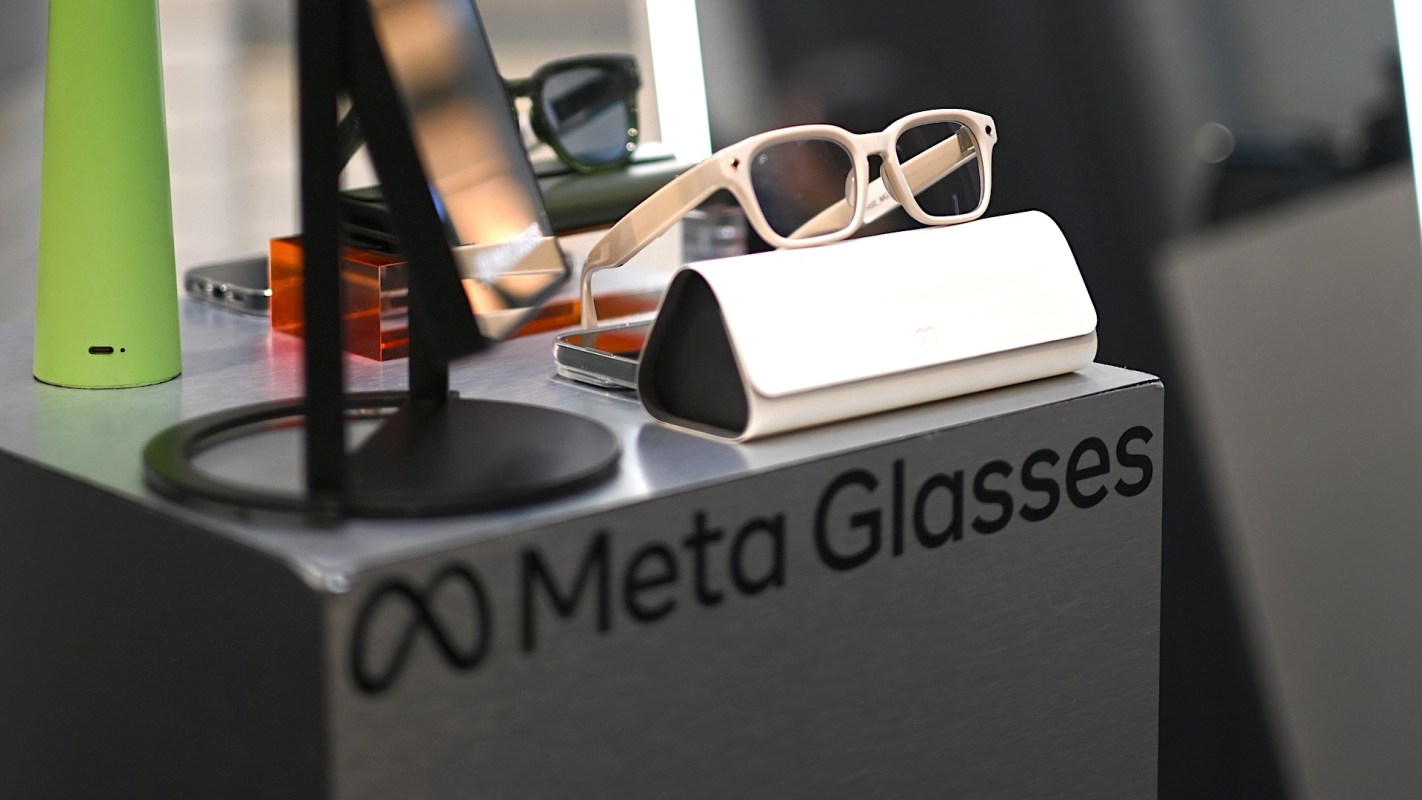
Meta's smart glasses are raising concerns that our most private moments could be exposed to strangers and used to develop artificial intelligence, all without our consent.
Two senators are demanding answers about the company's safeguards.
Here's what to know
Meta's protections against nonconsensual recording and the processing of intimate imagery are the subject of a letter from Sens. Ron Wyden of Oregon and Edward Markey of Massachusetts, according to 404 Media, following the outlet's earlier reporting on the devices.
Instagram accounts posting the videos drew hundreds of thousands of followers and millions of views.
Footage showed men soliciting massage parlor workers for sex work while recording them with Meta's Ray-Ban glasses — conduct documented in the outlet's October 2025 investigation and cited in the senators' letter.
"Meta's own disclosures confirm that imagery processed through its glasses' visual AI features may be retained and used to train AI systems, including with the assistance of human reviewers," it read in part, per 404 Media.
TCD Picks » Quince Spotlight
💡These best-sellers from Quince deliver affordable, sustainable luxury for all




"Using intimate imagery for AI development is itself an invasion of privacy when the people depicted have not consented to that use, as is inherently the case for most bystanders captured by Meta's glasses," the letter added.
"Retaining that material for AI development, thereby extending the period during which it can be accessed, disclosed, or misused, exploits people's highly sensitive information for Meta's commercial benefit," the lawmakers alleged.
More background
Men who had watched a video recorded through the glasses stalked the woman shown in it at her workplace.
Her phone number appeared alongside the footage, leaving her "bombarded" with calls, she disclosed in a January BBC report cited by 404 Media.
Unredacted recordings from Meta's smart glasses, including footage depicting sex and violence, were among the material seen by data labeling workers in Kenya, Swedish journalists reported in March.
According to 404 Media, Meta faced a lawsuit from more than 70 people who alleged that workers labeling AI data had viewed their private photos and videos.
Developing and operating AI also strains natural resources. Training and running these systems requires electricity, while cooling the data centers that support them can consume water.
AI could help optimize clean energy systems, but its impact on communities and public resources has become a flashpoint for debate.
What's being done?
Sens. Wyden and Markey are asking Meta whether it evaluated the glasses' potential to facilitate voyeurism and nonconsensual intimate recording.
The senators sought details about safeguards against capturing, disclosing, or processing sensitive imagery.
They are also asking what imagery Meta uses to train AI and whether individuals can request the deletion of biometric information and other data recorded through the glasses.
Advertisements opposing AI glasses have appeared worldwide in response to the products. Kenya's Data Labelers Association and other groups are challenging the labor conditions described in the reports.
Meta ended its contract with the Kenyan workers less than two months after the Swedish reporting was published, 404 Media noted.
"The reported disclosure of intimate footage to contractors for the purpose of AI training is particularly disturbing. Human review to fulfill a service knowingly requested by the person depicted is one thing; exposing unsuspecting individuals' intimate moments to strangers for AI training is quite another," Wyden and Markey wrote.
"The individuals whose naked bodies, sexual activity, and other private moments have reportedly been captured by Meta glasses did not knowingly agree to having those images shared with strangers, much less for the purpose of improving Meta's commercial AI systems.
"That disclosure and processing is an invasion of privacy, regardless of whether the footage is subsequently published or misused," they wrote.
Where can I learn more?
Senators aren't the only ones raising concerns about smart glasses and recording without consent. These stories cover lawsuits, Meta's responses to misuse, and harassment in schools.
• Bystanders have joined a Meta AI glasses lawsuit, alleging that their privacy was violated.
• Meta is considering a smart glasses kill switch amid growing backlash over privacy concerns.
• Meta remotely disabled smart glasses after wearers hid their recording lights to secretly record people.
• In American schools, teen boys are using smart glasses to film and harass girls.

Get TCD's free newsletters for easy tips, smart advice, and a chance to earn $5,000 toward home upgrades. To see more stories like this one, change your Google preferences here.






