


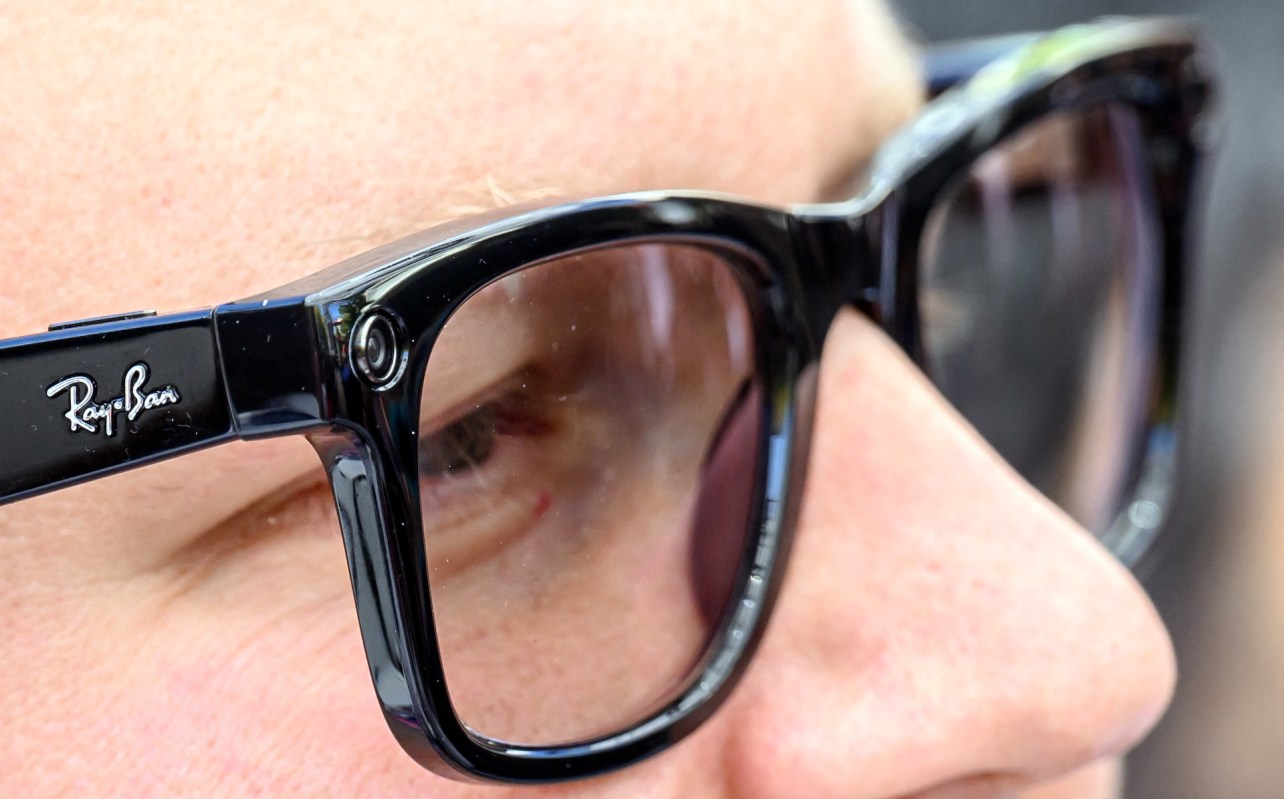
Meta is facing a growing class action over its AI glasses, and the updated complaint shifts the focus more directly onto the people around the devices' users.
The revised filing adds "bystander" plaintiffs who say their privacy was violated even though they never purchased or wore the camera-equipped glasses.
Here's what to know
According to Futurism, the amended lawsuit says the consequences of Meta's smart glasses may have reached beyond owners to people nearby, whose faces, voices, bodies, and personal information could have been recorded without permission and then used to train AI systems.
The lawsuit was originally filed in March, after two Swedish newspapers reported that content from Meta AI Glasses had been stored and routed to human reviewers through Sama, an outsourcing company that has worked with Meta.
Those outlets also heard from Kenyan whistleblowers who said the reviewers were exposed to highly sensitive footage.
"In some videos you can see someone going to the toilet, or getting undressed," one Kenyan whistleblower told the Swedish journalists. "I don't think they know, because if they knew they wouldn't be recording."
TCD Picks » Quince Spotlight
💡These best-sellers from Quince deliver affordable, sustainable luxury for all




In the amended complaint, the plaintiffs say some of the bystanders were minors and contend that people in the vicinity of users had no real chance to provide "informed consent."
The filing further alleges that Meta deceived buyers by describing the glasses as "designed for privacy" and telling users they were "in control of your data and content."
"We disagree with these allegations and will fight them," Meta told Futurism in a statement. "Our glasses help you use AI hands free to answer questions about the world around you. If you use Meta AI, we may review that data to help improve our products and people's experiences — this works the same way as [many] other companies. We take steps to filter this data to help remove identifying information and to protect people's privacy."
More background
When a device is built to capture video, audio, or other identifying information at any moment, privacy concerns can reach beyond the person who bought it to anyone nearby.
Meta has said it sold more than seven million pairs of smart glasses. The space is also drawing other large tech players, including Google, which is working on smart glasses with Warby Parker, and Apple, which has reportedly been exploring AI- and camera-enabled AirPods.
What's being done?
With the amended complaint, the plaintiffs are trying to hold Meta responsible both for the way it promoted the glasses and for the possibility that data captured through them was reviewed, labeled, and used in AI systems.
The case may also probe a larger legal issue: whether companies can face challenges over AI-related data collection involving people who were never customers and therefore never accepted the product's terms.
Should that theory gain legal support, its effects could reach well beyond the smart glasses market.
Ryan Clarkson, founder and managing partner of Clarkson Law Firm and co-lead counsel on the lawsuit, summed up the stakes this way, according to Futurism: "This amended complaint adds the human beings on the other side of the glasses to the story — people having intimate sexual encounters, children being bathed by parents, or having their diapers changed by grandparents, people showering, changing clothes, and breastfeeding — who never agreed to surrender their privacy because someone near them bought a pair of glasses."
Where can I learn more?
Meta's lawsuit sits inside a much bigger debate over how AI tools gather data, who absorbs the risks, and what limits lawmakers may try to set. The stories below touch on the same tension from different angles, from surveillance fears to infrastructure strain and sustainability concerns.
• In Pennsylvania, lawmakers pushed a ban on AI surveillance pricing at stores as fears over data-driven targeting grew.
• Across the tech sector, backlash may get brutal as AI strains jobs, water, and electricity.
• A popular New York City nightclub has announced that patrons who bring smart glasses into the venue could be turned away immediately and may even face a permanent ban.

Get TCD's free newsletters for easy tips, smart advice, and a chance to earn $5,000 toward home upgrades. To see more stories like this one, change your Google preferences here.






