


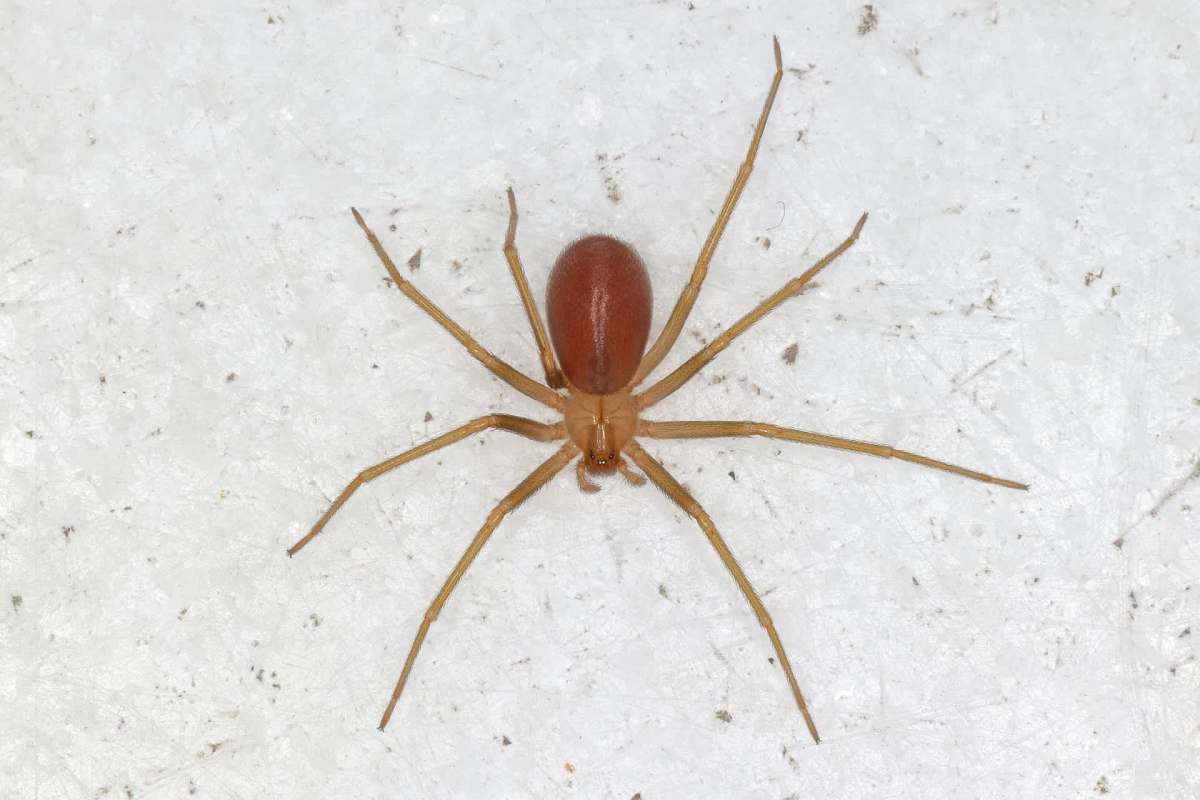
A pest management professional inspecting an apartment building in Wallingford, Connecticut, spotted spiders that didn't look like the ones usually found in the state.
Experts later confirmed the animals were Mediterranean recluse spiders, making this the first official record of the venomous species in Connecticut.
Here's what to know
CAES said the spiders were found in December 2025, though people in the building had apparently seen them for years and believed they were native. In its January news issue, the station described the find as Connecticut's first official record, NBC Connecticut reported.
After the pest management professional noticed how unusual these spiders were, he brought them to Dr. Gale E. Ridge at CAES for identification. Ridge described the venomous species as "shy nocturnal spiders who seldom encounter people."
More background
Mediterranean recluse spiders come from the Europe-North Africa region, CAES said, but human activity has carried them into other countries. The station also pointed to an American Entomologist report that documented the species in at least 22 states.
According to Ridge, spiders often enter homes when people move furniture and personal belongings across borders, which may explain their presence in government, museum, and academic buildings.
TCD Picks » Quince Spotlight
💡These best-sellers from Quince deliver affordable, sustainable luxury for all




Because their natural habitat is caves, Ridge said, the spiders are often found in basements and steam pipe tunnels. She also said they can be useful in some places because they feed on cockroaches and termites.
Human behavior often plays a major role in where animals and people cross paths, as this BBC Future report explores.
What's being done?
Ridge confirmed the species after reviewing the spiders and checking with Rick Vetter, an expert on recluse spiders.
Ridge said a pest control professional treated the building after the identification. Because the spiders are linked to basements, steampipe tunnels, and buildings that receive belongings moved internationally, staff and pest experts are most likely to spot them there.
Ridge made it clear that these species are not hostile: "These are not aggressive spiders being shy and timid. They can quietly live alongside people with no problems at all."
Where can I learn more?
These stories cover similar spider sightings across the country, from recluse infestations to Joro spiders turning up in new states. They also show how residents and officials have reacted when those discoveries happen.
• In Kansas, a family lived with 2,055 brown recluse spiders and no one was bitten.
• In Maryland, officials warned that an invasive pest was showing up unexpectedly in a forest.
• Across the United States, the massive Joro spider kept spreading and challenging assumptions about invasions.
• In Pennsylvania, officials scrambled after a giant invasive spider crossed state lines.
• In South Carolina, residents confronted a Joro spider infestation they said they wanted gone.

Get TCD's free newsletters for easy tips, smart advice, and a chance to earn $5,000 toward home upgrades. To see more stories like this one, change your Google preferences here.






