


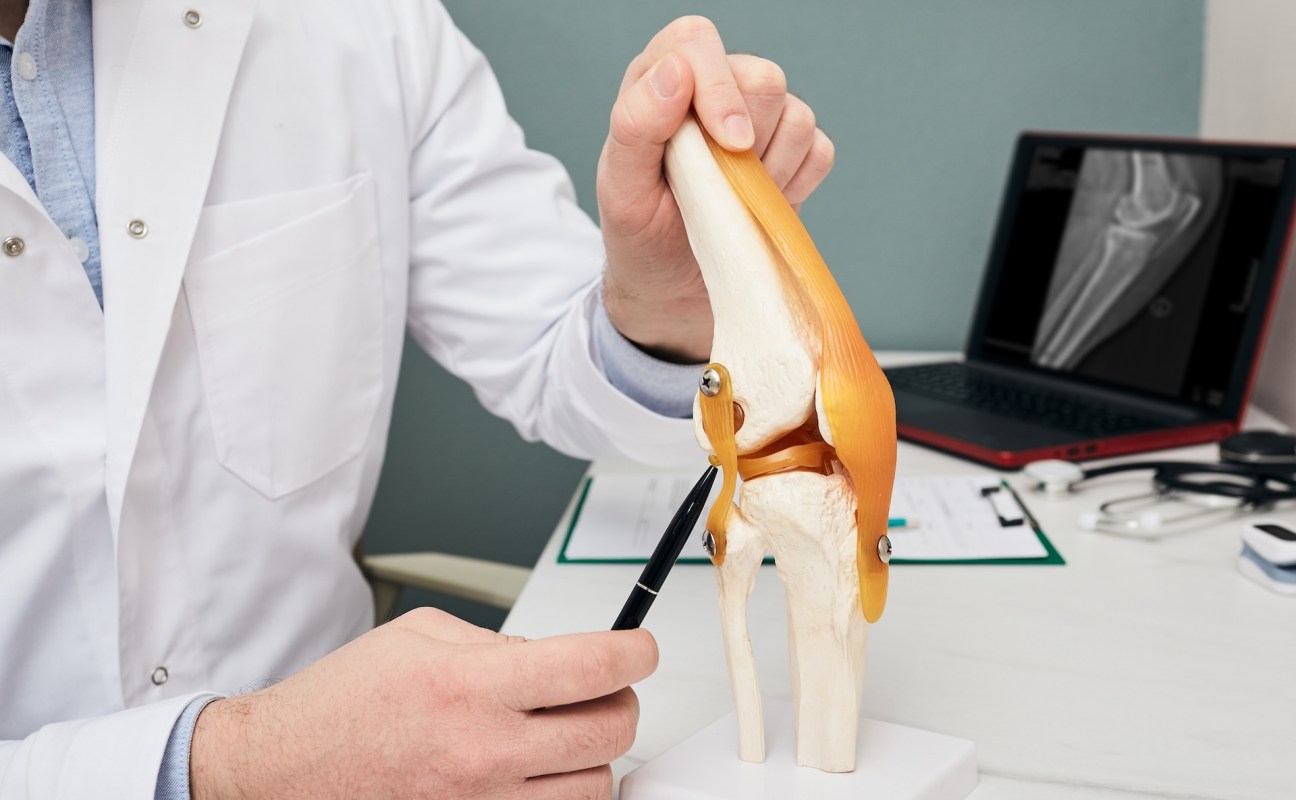
Until now, worn-down knees have typically been treated in stages: first, manage the discomfort, then, as cartilage continues to wear away, consider replacing the joint.
But new research out of Stanford Medicine suggests that may not be the only path.
What happened?
In a study published in Science, a Stanford Medicine team reported that a one-time injection targeting an enzyme tied to aging not only rebuilt damaged cartilage in older mice but also prevented arthritis in about half of the mice.
Dr. Helen Blau, one of the study's authors, told KTVU FOX 2, "We were surprised. We were amazed to see that extent of regeneration of the cartilage."
In the researcher's structured abstract, they explained the importance of the paper, saying "cartilage is one of the least regenerative tissues, which presents a challenge of fundamental interest and a major unmet medical need as osteoarthritis afflicts mobility in one out of five adults."
The authors added that "there are limited effective disease modifying therapies for OA that restore cartilage function and treatment options are limited to pain management and eventual joint replacement."
TCD Picks » Quince Spotlight
💡These best-sellers from Quince deliver affordable, sustainable luxury for all




The researchers focused on 15-hydroxy prostaglandin dehydrogenase, or 15-PGDH, an enzyme that increases with age and appears to hinder cartilage repair.
In separate lab tests, the team treated human cartilage taken from patients undergoing knee replacement with the inhibitor and observed the cells begin producing new cartilage.
Why does it matter?
Osteoarthritis affects about one-fifth of U.S. adults, around 60 million people, per Stanford Medicine, and current treatments largely focus on pain relief rather than repair.
Anti-inflammatory drugs, steroid injections, physical therapy, and surgery can help people function, but none of them restore lost cartilage.
The Stanford team said existing cartilage cells, called chondrocytes, appeared to reset themselves and behave more like younger cells, rather than relying on stem cells to rebuild tissue. If that finding holds up in people, it could point to a very different way of treating joint damage.
The discovery and associated technology are not yet available for arthritis patients. But the 15-PGDH inhibitor has already moved into Phase 1 testing through Epirium Bio for age-related muscle weakness, and Stanford Medicine says early data show that it is safe and pharmacologically active in healthy volunteers.
Researchers are now hoping to launch a separate study to test whether the same approach can safely regenerate cartilage in people with joint damage.

Get TCD's free newsletters for easy tips, smart advice, and a chance to earn $5,000 toward home upgrades. To see more stories like this one, change your Google preferences here.






