


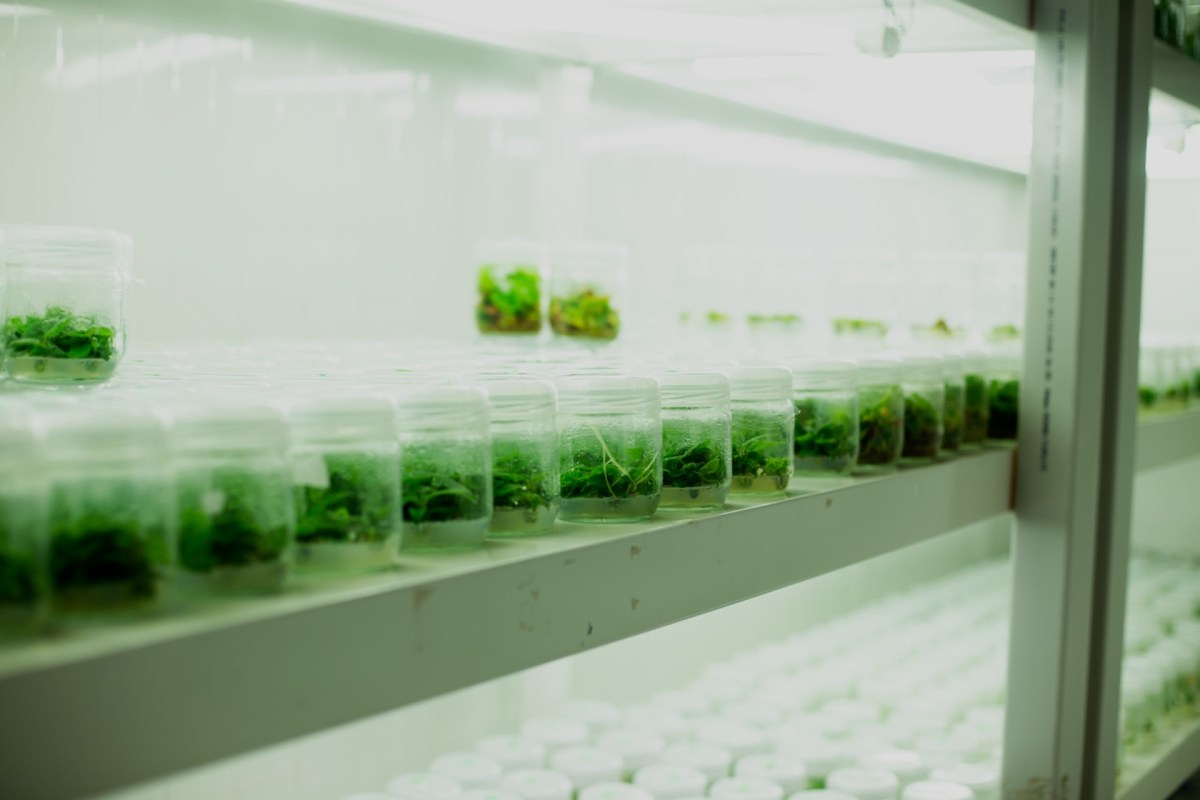
A new discovery may help plants of the future grow their roots deeper than ever, and that could be great news for humanity.
The exciting breakthrough came after experimentation with mebendazole, or MBZ, a medication commonly used to treat parasites, as detailed by Anthropocene.
Scientists found that plants treated with MBZ developed shallower roots than desired, and that helped them narrow in on which enzymes to suppress to grow plants with deeper, less horizontal roots.
"MBZ has unlocked the ethylene pathway as a target for engineering deeper roots. This told us that we might get steeper roots when ethylene signaling is abolished. In fact, we found that in plants in which ethylene signaling doesn't work… we get steeper roots," said Wolfgang Busch, executive director of the Harnessing Plants Initiative at the Salk Institute.
The findings, which were published in the journal Cell Reports, sparked optimism that more climate-resilient crops could be on the way, as extreme weather events are becoming more frequent because of warming global temperatures.
Concerningly, a 2023 poll by life science company Bayer Group revealed that 90% of farmers reported changes in the weather, with 70% experiencing heat or drought that is expected to reduce yields.
However, as Anthropocene pointed out, plants with deeper roots are better able to cope with long dry spells. Less shallow roots are also able to more effectively soak up carbon dioxide, a planet-warming gas. Brazil's "upside-down" Cerrado forest savanna is one example of such a system.
Plants alone won't solve the problem of overheating, as a move away from dirty energy fuels like coal, oil, and gas is the most important thing, but plants are still vital for those efforts.
"Deep roots are… a winning solution for the environment and crop health," Busch told Anthropocene.
Now, to move the research forward, "highly-targeted engineering" will need to be part of the experiment, as ethylene influences more than just root growth, including fruit ripening.
TCD Picks » Quince Spotlight
💡These best-sellers from Quince deliver affordable, sustainable luxury for all




"Right now we are very busy testing out many ethylene signaling engineering concepts in our model species. These concepts are based on very precise manipulations of the ethylene pathway in a small number of cells in roots, so we can change root steepness but not any other plant properties," Busch explained.
Researchers estimate that they could be ready to move to field tests in the next couple of years after experimenting on greenhouse plants.

Join our free newsletter for weekly updates on the coolest innovations improving our lives and saving our planet.
Cool Picks




