


A newly reconstructed mural from the ancient Maya city of Calakmul is altering what researchers know about one of Mesoamerica's most important archaeological sites, according to Heritage Daily.
Experts believe the charcoal artwork may preserve the oldest known calendrical writing yet.
What happened?
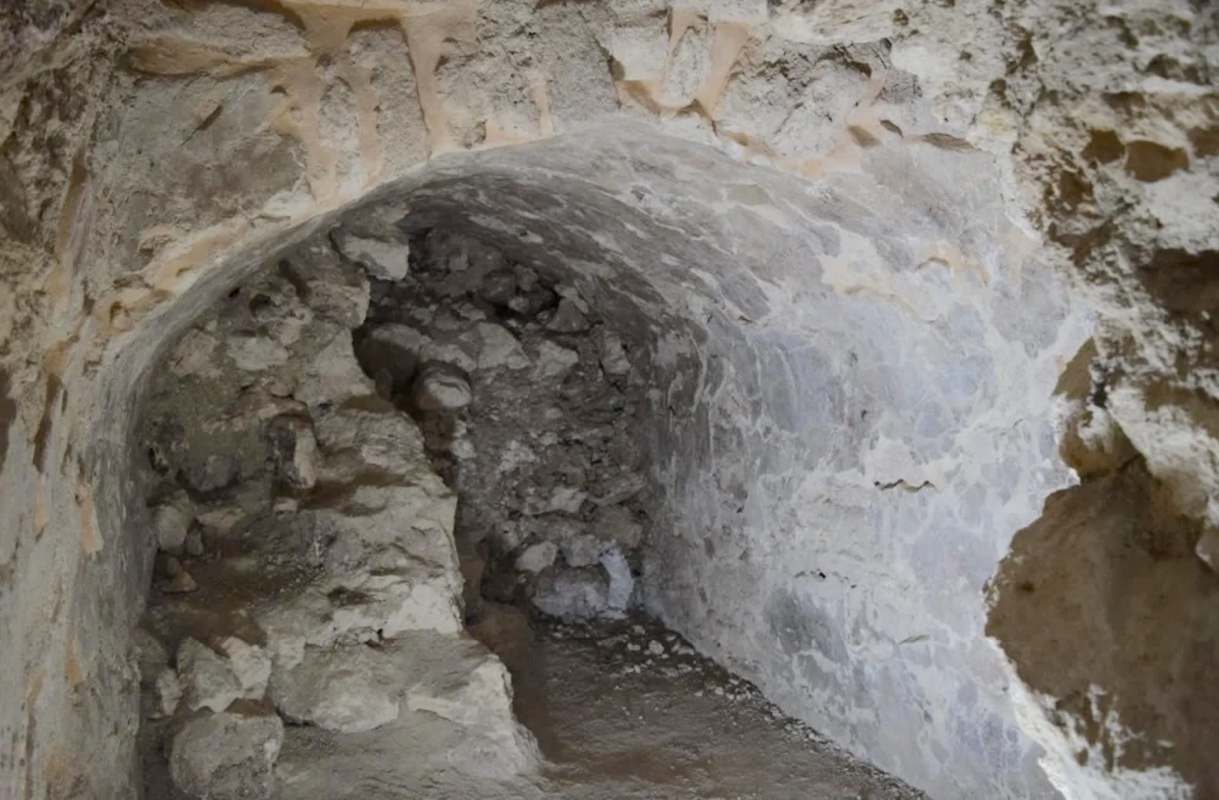
A mural inside Substructure II C of Structure II at Calakmul in Campeche, Mexico, has produced the site's earliest known writing, Heritage Daily reported.
The revealed imagery includes a sign tied to the Maya 260-day ritual calendar and a scene of the mythological hero Juun Ajaw hunting an animal in the water.
If the date of 400 to 200 BC is correct, the roughly 6.2-foot by 5.6-foot mural would be much older than most surviving inscriptions from Calakmul, which are mainly associated with the Classic Period from AD 250 to 900.
"Until the reconstruction of this mural, there was no evidence of early written communication in Calakmul," Salazar Lama told Heritage Daily. "This places Calakmul at the centre of the cultural flourishing of the Maya Lowlands during the Late Preclassic period, alongside cities such as San Bartolo, El Mirador and Tikal."
TCD Picks » Quince Spotlight
💡These best-sellers from Quince deliver affordable, sustainable luxury for all




Daniel Salazar Lama, a Maya iconography and art history specialist who leads an interdisciplinary international research project at Calakmul, presented the findings during a recent lecture in Campeche.
Researchers now believe the mural itself may be younger than the building that housed it, though more scientific sampling will be needed to determine the date more precisely.
Why does it matter?
Already recognized as one of the great ancient Maya cities, Calakmul now appears to have written evidence stretching further back in time, placing it with major Late Preclassic centers known for early writing traditions, including San Bartolo, El Mirador, and Tikal, according to Heritage Daily.
In this case, the mural may preserve an early link between writing, ceremony, and a sacred hero figure that later appears across the Maya world.
The ongoing research is being carried out with Archaïos, the French center focused on Mexican and Central American studies, the Stresser-Péan Foundation, and Mexico's National Institute of Anthropology and History.
What's being done?
To recover details from the mural's badly deteriorated surface, researchers relied on digital imaging, photogrammetry, and graphic reconstruction, which helped researchers identify both the calendar sign and the figure of Juun Ajaw.
The mural was found during the Calakmul Archaeological Project, led by archaeologist Ramón Carrasco Vargas, and was removed from its original location in 2005 for protection. It was then transferred to Mexico's national coordination office for cultural heritage conservation, where it is still kept, Heritage Daily reported.
Future analysis could provide a more precise date and help clarify whether the cave-like painted chamber was used for ceremonies tied to celestial deities, the maize god, or rituals of sacrifice and renewal.

Get TCD's free newsletters for easy tips, smart advice, and a chance to earn $5,000 toward home upgrades. To see more stories like this one, change your Google preferences here.






