


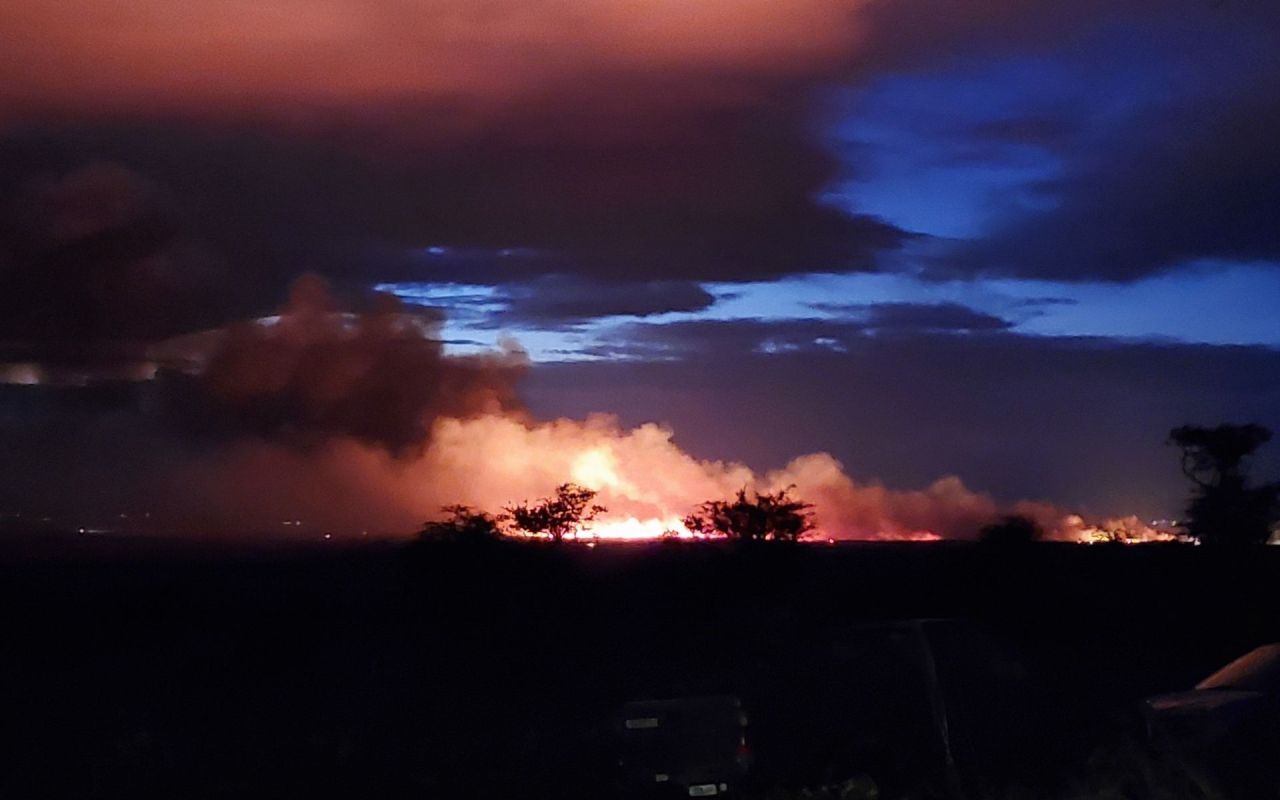
For survivors of Maui's devastating 2023 wildfires, elevated levels of heavy metals have created a lingering health concern, months after the flames.
Here's what to know
Urine samples collected months after the Hawaiʻi fires showed unusually high concentrations of heavy metals in those exposed. Researchers are considering both wildfire-related contamination and sources that existed before the disaster as possible explanations for survivors' elevated metal levels, according to a video from Inside Climate News.
The Maui wildfires destroyed trees and vegetation along with homes, vehicles, and household belongings. They also caused more deaths than any other U.S. wildfire in over a century.
"So on Maui, they're continuing to research this and it's actually really difficult to pinpoint like the source of some of the heavy metals that you're mentioning," a speaker in the Inside Climate News explanation said.
More background
Concerns in Maui focus on chemicals that may have entered the surrounding environment after cars, electronics, homes, and synthetic household materials burned. Urban wildfires consume a wide range of these manufactured materials, unlike forest fires.
As the Inside Climate News speaker explained, an urban fire is "burning up all of the chemicals that are part of our daily lives."
TCD Picks » Quince Spotlight
💡These best-sellers from Quince deliver affordable, sustainable luxury for all




One YouTube commenter singled out "formaldehyde in carpets and pressed lumber" as a potential issue.
What's being done?
Researchers are still examining how survivors on Maui may have been exposed.
The root cause has not been pinpointed, and researchers want to avoid jumping to conclusions.
As the Inside Climate News speaker explained, "Some of those sources might predate the fires. They're looking into kind of the history of agriculture and industry and plantations on Maui to try to see what connections there might be there."

Get TCD's free newsletters for easy tips, smart advice, and a chance to earn $5,000 toward home upgrades. To see more stories like this one, change your Google preferences here.






