


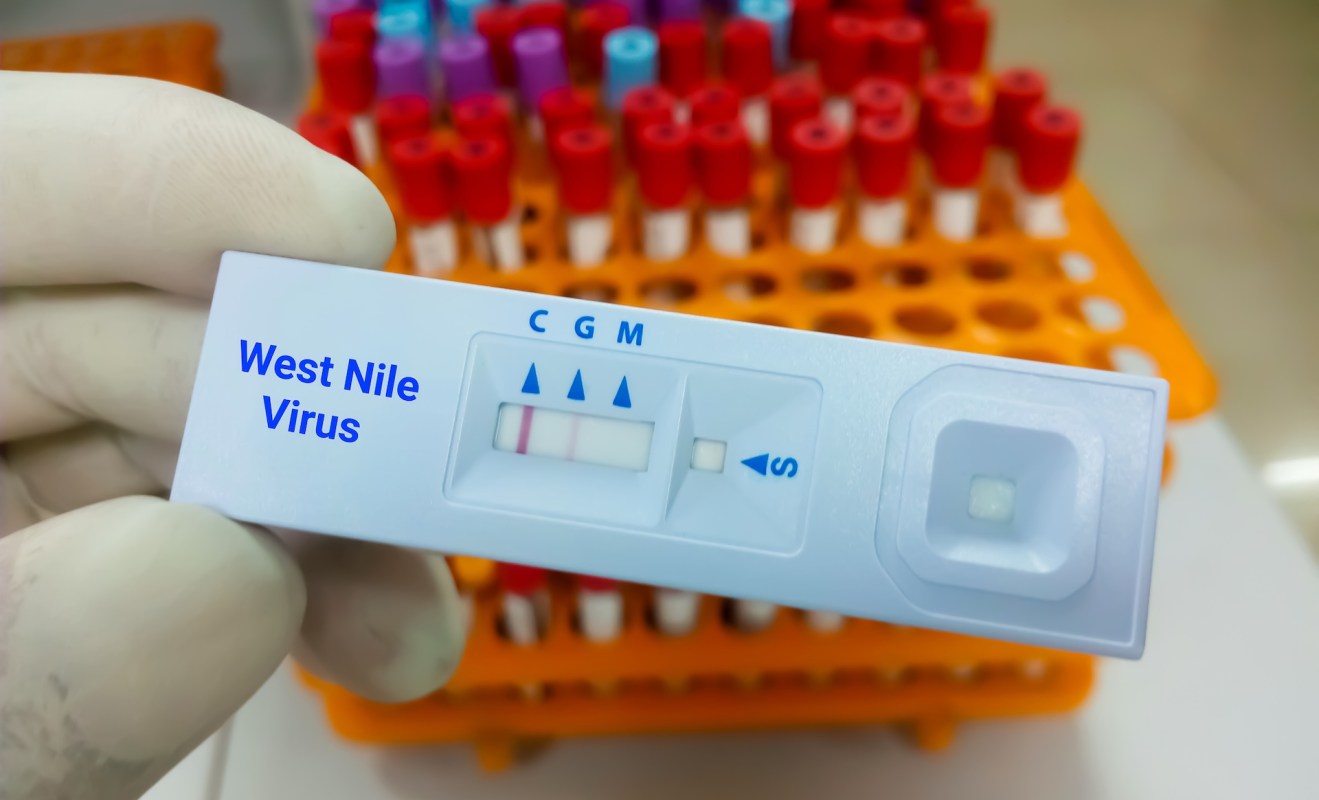
Massachusetts has identified its first mosquitoes of the year that tested positive for West Nile virus, a sign that summer mosquito activity is ramping up.
This finding does not mean human cases are already spreading, but it is the point in the season when state health officials typically begin urging residents to take mosquito-bite prevention more seriously.
What happened?
According to a report from Boston.com, citing a Massachusetts Department of Public Health press release, a batch of mosquitoes collected on June 16 in Clarksburg tested positive for West Nile virus.
The outlet reported that, as of June 25, Massachusetts had not recorded any human or animal cases this year. State officials said nine people in Massachusetts contracted West Nile virus last year.
"With warmer weather and summer officially beginning this week, it is the time of year when we typically begin detecting West Nile virus in mosquito populations," Public Health Commissioner Robbie Goldstein said.
And, while state officials said they had not found any mosquitoes carrying Eastern Equine Encephalitis, or EEE, they cautioned residents and animal owners to stay alert for both mosquito-borne diseases.
TCD Picks » Quince Spotlight
💡These best-sellers from Quince deliver affordable, sustainable luxury for all




Why does it matter?
People get West Nile virus through the bite of an infected mosquito. The Massachusetts Department of Public Health says anyone can be infected, but people over 50 are at higher risk for severe illness.
Most people who get the virus do not develop symptoms. If symptoms do occur, they can include fever and a flu-like illness.
What can I do?
According to Boston.com, state health officials are directing residents to follow mosquito-borne disease updates on mass.gov. State Epidemiologist Dr. Catherine M. Brown said residents should continue checking those public information pages throughout the season.
The department recommends using insect repellent with ingredients such as DEET when spending time outside. According to Boston.com, officials said DEET should not be used on infants younger than 2 months and otherwise should be kept at concentrations no higher than 30%.
Residents can also reduce mosquito breeding near their homes by eliminating standing water, where mosquitoes lay eggs. After rainfall, empty items such as buckets, tires, and wading pools.
Officials, as reported by Boston.com, said animal owners may need to take extra steps as well.
Horse owners should keep horses indoors at night and use veterinarian-approved mosquito repellent on them, and owners must report suspected animal cases of West Nile virus or EEE to both the Department of Agricultural Resources, Division of Animal Health, and the Department of Public Health.

Get TCD's free newsletters for easy tips, smart advice, and a chance to earn $5,000 toward home upgrades. To see more stories like this one, change your Google preferences here.






