


Medical research can support better outcomes for patients, but PETA has raised concerns about animal suffering and oversight at University of Massachusetts Chan Medical School, including one researcher who has received millions from the National Institutes of Health since 1998.
What's happening?
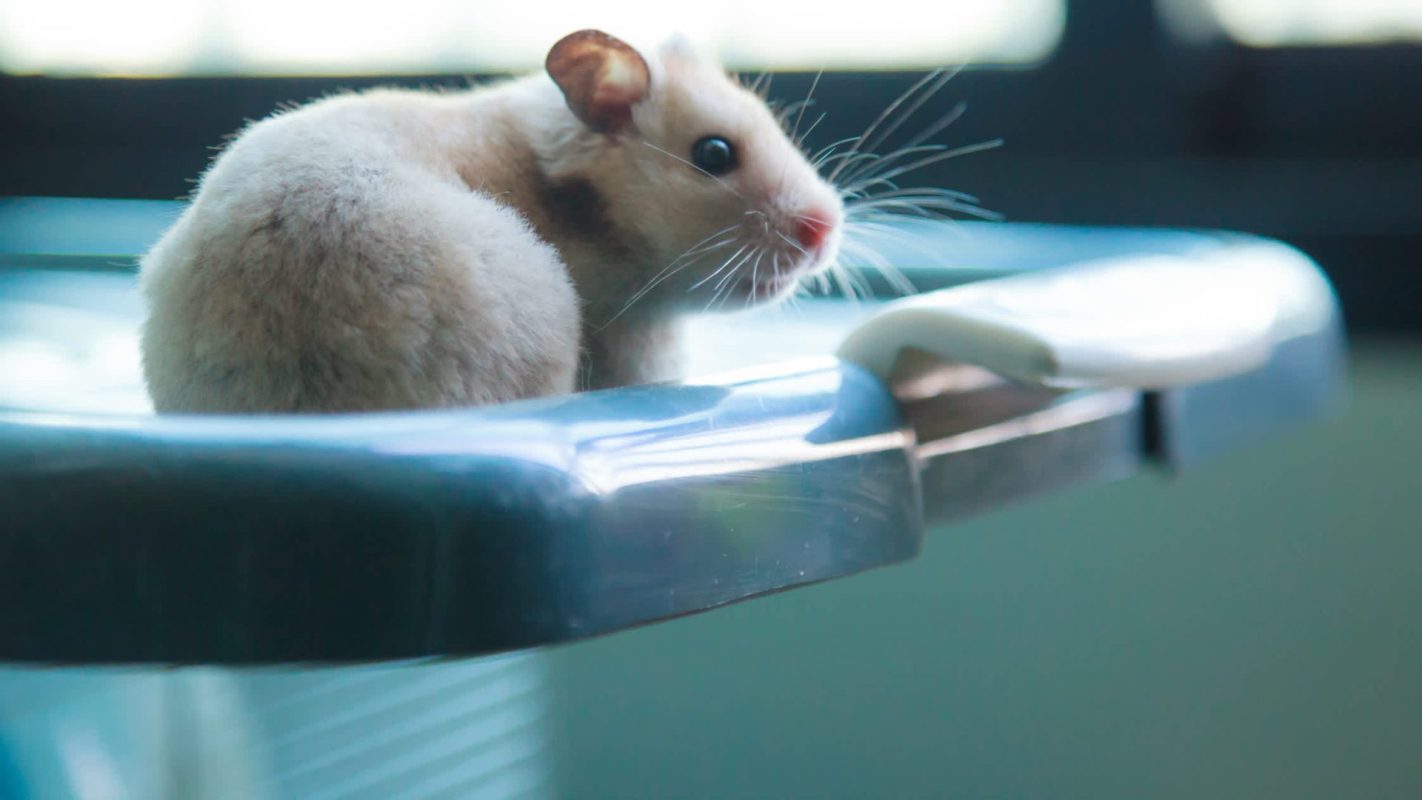
According to PETA, Raffi Aroian's experiments involved infecting hamsters, mice, and rats with intestinal parasites, such as hookworms and whipworms, and allowing those infections to continue for days or weeks as the parasites developed inside the animals.
PETA says some hamsters also received repeated injections to suppress their immune systems so the parasites could remain alive longer, extending the rodents' suffering for science.
"These parasites embed in the animals' intestinal walls and feed on them, leading to tissue injury, inflammation, and chronic blood loss," PETA wrote. PETA also says Aroian removes parasites from the carcasses to ensure a "steady supply" and uses them in later experiments.
Beyond the experiments themselves, PETA says. UMass Chan staff reportedly found in April 2024 that Aroian was housing hamsters in violation of approved rules, leading to a protocol revision and a report to NIH. The group says another incident was reported to the NIH about a month later, after two hamsters were left in old cages and went 16 hours without water.
That prompted a citation from the U.S. Department of Agriculture and resulted in six months of required oversight for Aroian's lab, which PETA called "a highly unusual move."
TCD Picks » Quince Spotlight
💡These best-sellers from Quince deliver affordable, sustainable luxury for all




Aroian has two active grants totaling $1.4 million and has received $20.5 million for research from the NIH since 1998, the animal advocacy organization noted.
Neither Aroian nor the university has made a public statement in response to PETA's report yet, as of publish time, but more context may help to better understand the allegations.
Why does it matter?
The report is serving as a flashpoint of debate over whether animal testing should be considered an integral part of medical research, which has undoubtedly saved hundreds of millions of human lives.
As the American Physiological Society explains, animals are considered "good research subjects" because they are vulnerable to many of the same health problems as humans and have short life cycles that make them easy to study across generations. Additionally, it noted, "the most important reason why animals are used is that it would be wrong to deliberately expose human beings to health risks in order to observe the course of a disease."
However, critics assert that animal suffering is just as important an ethical concern as human welfare or, at least, that stronger oversight could prevent abuse of the system.
PETA highlighted some oversight measures that have already been taken at the institutional level. However, it is advocating for the university to switch to non-animal research methods.

Get TCD's free newsletters for easy tips, smart advice, and a chance to earn $5,000 toward home upgrades. To see more stories like this one, change your Google preferences here.






