


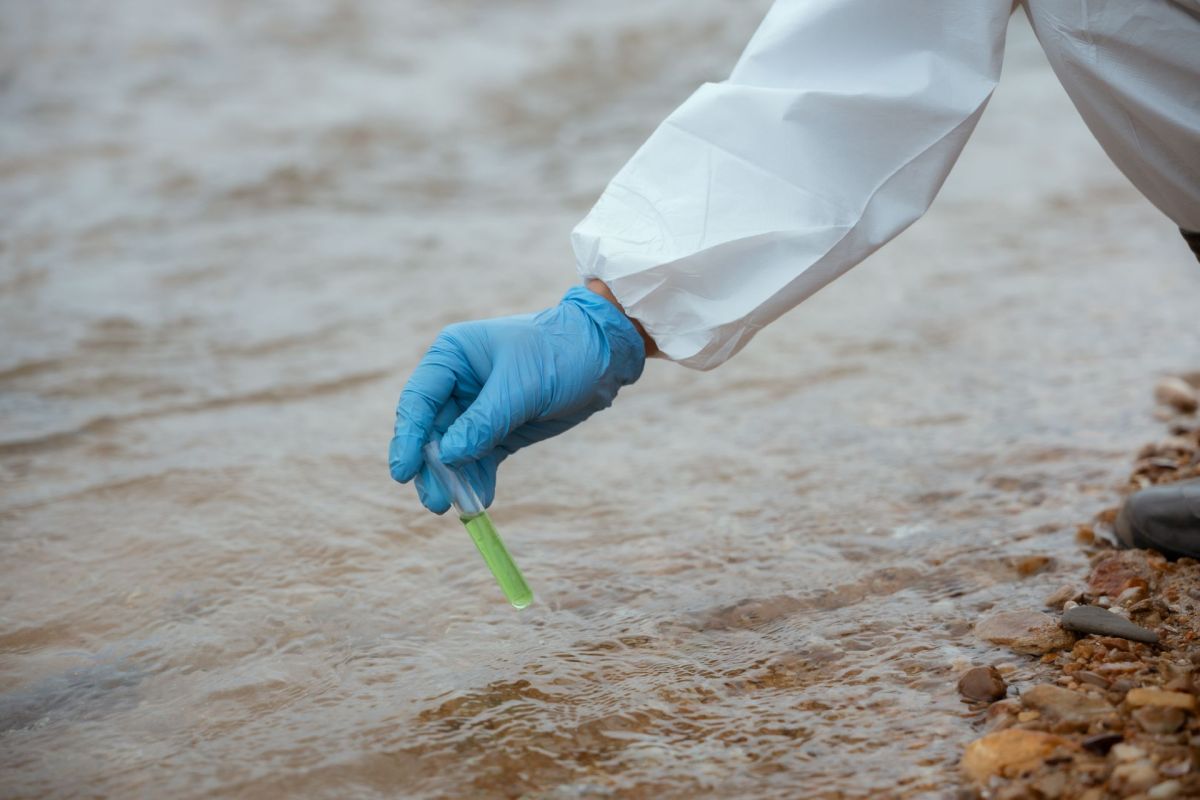
"Forever chemicals" were found at 87% of Massachusetts water sites tested from 2022 to 2024, raising concerns for communities that fish, swim, and boat there.
Massachusetts sets no maximum PFAS contamination level for surface water despite the widespread detections.
Here's what to know
The National Water Quality Monitoring Council's Water Quality Portal brings together records from federal, state, and local agencies. The MassPIRG Education Fund used those records to examine 97 Massachusetts sampling locations for its report, according to the Daily Hampshire Gazette.
Massachusetts limits PFAS in drinking water to 20 nanograms per liter. The state's highest reported surface-water concentration came from Ashumet Pond, between Falmouth and Mashpee on Cape Cod, where testing measured 97 nanograms per liter.
In Western Massachusetts, PFAS were detected in the Connecticut, Deerfield, and Chicopee rivers. Reported concentrations reached 1.3 nanograms per liter in the Deerfield, 3.9 nanograms per liter in the Chicopee, and 4.8 nanograms per liter in the Millers River.
Across the country, the report found PFAS at 83% of 1,602 sampled water bodies, including streams, rivers, lakes, reservoirs, and ponds, the Gazette reported.
TCD Picks » Quince Spotlight
💡These best-sellers from Quince deliver affordable, sustainable luxury for all




More background
PFAS are associated with reproductive health problems, suppressed immune function, and a higher cancer risk. The name stands for per- and polyfluoroalkyl substances, which accumulate in the environment, wildlife, and people's bodies.
Their presence in waterways is particularly concerning for anglers who eat the fish they catch.
Paul Beaulieu, a retired environmental science professional who serves on the board of the Deerfield River Watershed Chapter of Trout Unlimited, has caught rainbow trout in the river's northern tributaries for chapter fish fries, according to the Gazette.
"Most of the fishing that happens on the Deerfield happens up high on the watershed where the perception is that the water is pretty pristine," Beaulieu said.
The chemicals are used in everyday products, including nonstick cookware, water-repellent clothing, and waterproof cosmetics.
Firefighting foam used at Joint Base Cape Cod has also contained PFAS.
What's being done?
MassPIRG is advocating for broader surface-water testing and restrictions on the manufacture, import, or disposal of certain PFAS-containing products within Massachusetts, according to the Gazette. Beaulieu has also called for more thorough state testing.
For people who eat freshwater fish, the Massachusetts Department of Public Health maintains consumption advisories. As of December, the state had 64 PFAS-related advisories, including in the Connecticut and Chicopee rivers. The Deerfield River had no fish-consumption advisories.
The department warns that continuously eating fish that contain PFAS can pose health risks.
"It cannot be cut, cleaned, or cooked out," the department's website states.
The advisories provide location-specific guidance to help families decide whether to eat their catch.

Get TCD's free newsletters for easy tips, smart advice, and a chance to earn $5,000 toward home upgrades. To see more stories like this one, change your Google preferences here.






