


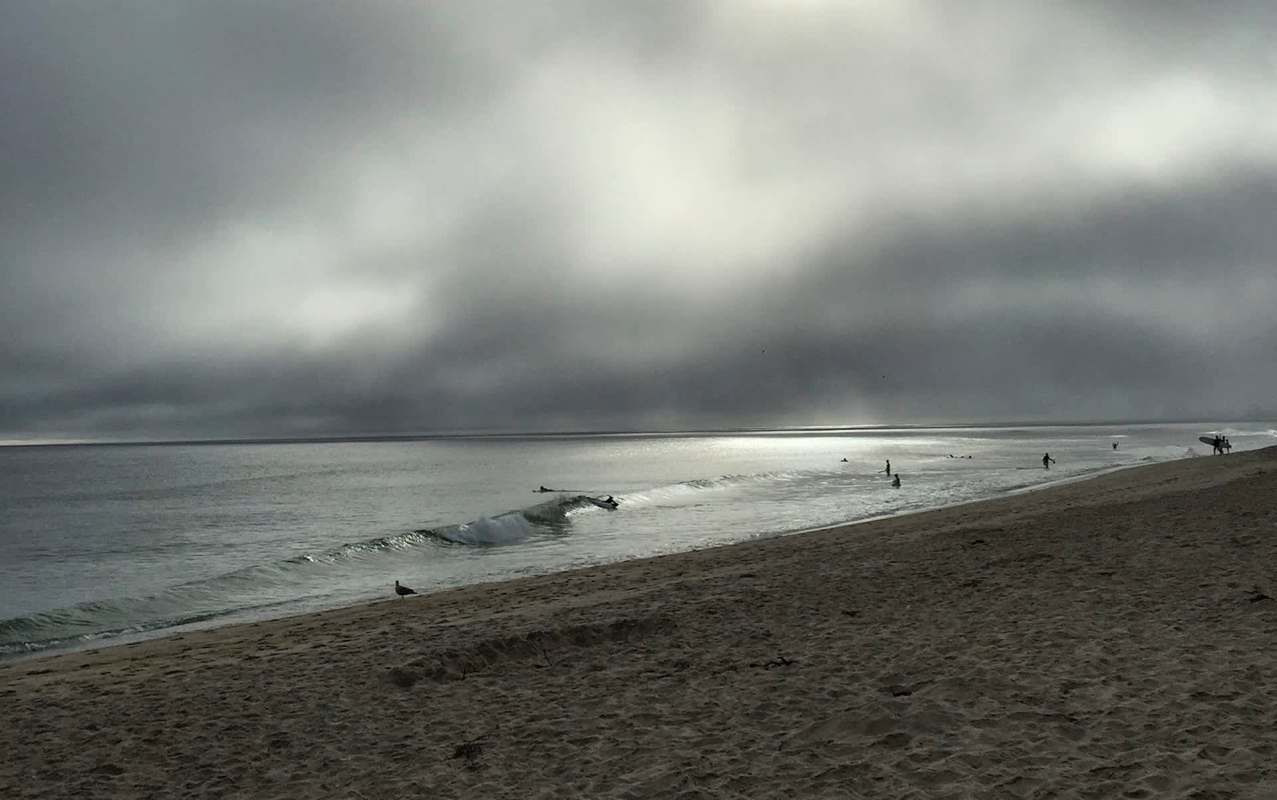
A Massachusetts nor'easter unearthed more than rough surf on Sept. 26; beach erosion on Nantucket revealed part of a shipwreck linked to a schooner lost in 1884.
Here's what to know
Footage from Nantucket's south shore, shared by the Nantucket Current, captured a pallet-shaped cluster of waterlogged wood emerging from the sand, with rusted nails and seaweed still attached. According to The New York Post, researchers believe the exposed section came from the Warren Sawyer, which wrecked near Miacomet Beach on Dec. 22, 1884.
The Warren Sawyer was headed to New Orleans with cotton and scrap iron when gale-force winds pushed it off course, and it ran aground on Nantucket at about 11 p.m. Some of its remains had also surfaced in the same area in December 2022.
Massachusetts archaeologist David Robinson told the Nantucket Current that identifying the wreck required extensive historical research.
"As with most historical archaeological research, exploring the available literature, archival, photographic, and archaeological evidence we collectively assembled for the site to try to arrive at a conclusive determination as to whether or not the wreckage is from the tern, Warren Sawyer, was a bit like pulling a thread on a sweater," Robinson said.
Earlier researchers did not definitively identify the wreck because the fastening hardware they recovered did not fully align with the ship's surviving records.
TCD Picks » Quince Spotlight
💡These best-sellers from Quince deliver affordable, sustainable luxury for all




More background
While the wreck drew attention on Nantucket, the same storm was hammering much of the East Coast with heavy rain, strong winds, coastal flooding, and major beach erosion. On Nantucket, that shoreline loss is what exposed the buried timbers.
The storm's impact extended far beyond Nantucket. The New York Post reported that more than 27,600 customers in New York, 26,000 in Connecticut, and 11,500 in Massachusetts lost power. New York City Housing Authority worker Leighton Brown, 56, died after a fallen tree hit him at Brooklyn's Cypress Hills Houses, NYC Mayor Mamdani announced.
New York State Police also said a swimmer went missing off Robert Moses State Park on Long Island on Sept. 26.
What's being done?
In the short term, storm response usually focuses on restoring power, monitoring eroded shorelines, and warning residents to avoid dangerous surf and unstable beach areas.
Research is another part of that response. Archaeologists and historians can use newly exposed fragments to learn more about maritime history, while coastal communities track erosion patterns that may indicate beaches, roads, or buildings facing greater risk in the future.
Communities can invest in stronger resilience planning, including shoreline monitoring, flood preparedness, and infrastructure upgrades that help neighborhoods withstand increasingly destructive storms.
Robinson said: "The more interesting information I looked at, the more that I found."
Where can I learn more?
These stories take a closer look at the same forces behind this storm and shipwreck find: stronger storms, coastal erosion, and the dangers communities can face after extreme weather.
• In Australia, worsening coastal conditions are battering communities with erosion, surging waves, and flooding.
• After major U.S. disasters, death rates can rise for weeks as healthcare systems strain.
• After hurricanes, dangerous heat can threaten recovery workers as power outages slow community rebuilding.

Get TCD's free newsletters for easy tips, smart advice, and a chance to earn $5,000 toward home upgrades. To see more stories like this one, change your Google preferences here.






